

How Bad Posture Slows Down Weight Loss?
Introduction
Few people know that when it comes to losing weight, posture is just as crucial as diet and exercise. Poor posture might affect weight control due to slower metabolism, poor digestion, decreased movement efficiency, and even hormonal abnormalities.
Maintaining good posture increases muscular efficiency, reduces unnecessary strain on the body, and improves spinal alignment—all of which support the success of weight loss initiatives.
Mobility and postural correction specialists have found that patients with improved spinal alignment typically benefit from increased physical activity, deeper breathing, and enhanced core engagement when attempting to lose weight.
Maintaining proper posture can improve digestion, metabolic rate, and physical function for people undergoing weight loss operations like a mini gastric bypass, resulting in better long-term results.
How Does Posture Affect Metabolism and Weight Loss?
The significance of the relationship between posture and metabolism is often overlooked. Proper spine alignment has been shown to boost oxygen intake by 20–30%, which makes it easier to burn calories more efficiently both during physical activity and at rest. Keeping your posture straight makes your body function better at the molecular level, which may help you lose weight.
Standing with good posture increases metabolic rates by 5-7% compared to slouching because it activates the core muscles. Over time, this minor but significant difference adds up: two to three more hours of standing each day may result in an additional 50 to 100 calories burnt simply from greater muscle activation. Though it may not seem like much, these metabolic advantages work in concert with other advantages to help manage weight in general.
Proper posture not only helps the body burn calories right away, but it also encourages deeper breathing patterns that enhance oxygen circulation throughout the body. By increasing cellular metabolism and energy generation, this increased oxygenation creates an internal environment that is better suited for managing weight. When bad posture patterns don’t limit breathing, the body can function more effectively during daily tasks and exercise.
- Poor alignment, which results in a slower metabolism since the body burns fewer calories.
- Weaker muscular engagement limits fat-burning capacity.
- Inadequate circulation causes waste removal and nutrient absorption to go more slowly.
Can Proper Posture Aid in Digestion and Weight Management?
The digestive system, which is directly impacted by posture, is responsible for controlling weight. Slouching can potentially decrease intestinal motility by up to 30% by squeezing the abdominal organs. In addition to being uncomfortable, this compression may impede healthy digestion and nutrient absorption.
It is good for your digestive system to keep your posture straight, especially after eating. Proper alignment:
- provides sufficient space for the digestive organs to function effectively,
- promotes healthy diaphragmatic movement, which naturally massages internal organs.
- lowers the pressure in the stomach that could otherwise cause acid reflux.
- improves the effectiveness of controlling hunger signals
Proper posture benefits the digestive system in ways that go beyond comfort. Research indicates that proper alignment helps prevent stress-related overeating by promoting the body’s natural hunger and fullness cues. Rather of responding to stomach pain that can be confused with hunger, you are more likely to recognise true hunger signals while digestion is at its peak.
- slower digestion, which leads to poor nutrient absorption and bloating.
- increased fat storage as a result of the body’s ineffective digestion.
- Acid reflux and heartburn are caused by pressure on the stomach.
How Does Posture Affect the Efficiency of Exercise for Weight Loss?
Proper posture substantially influences exercise effectiveness—a vital aspect in any weight management strategy. When you exercise with your body in proper alignment, you get several advantages that can improve your weight reduction results:
Correct posture during exercise enhances core muscle activation by up to 40% during movements like squats and other complex exercises. More muscle fibers are engaged as a result of this higher engagement, which raises the metabolic demand and calorie expenditure.
Optimal alignment also increases breathing efficiency, which makes it possible to work out with more endurance. When your chest can fully expand, oxygen flow to working muscles increases, prolonging exercise time and intensity—both key elements for successful weight management.
Wall squats, resistance band pulls, and planks are examples of posture-focused exercises that have been shown to burn 15% more calories per session than those with poor form. This higher energy expenditure immediately helps to create the calorie deficit required to lose weight.
By distributing stresses equally across joints, proper form also lowers the chance of injury. This protection enables persistent exercise participation—one of the most accurate indicators of long- term weight management success. When bad posture leads to pain or injury, exercise adherence often falls, hurting weight loss efforts.
- Slouching, lowering energy levels, and training effectiveness.
- Lower back pain limits them from engaging in physical activity.
- Inefficient breathing, lowering oxygen flow, and fat-burning capacity.
Including core-strengthening activities in a fitness regimen improves posture and increases the body’s capacity to burn fat. Physiotherapy-guided mobility exercise may help people recovering from weight reduction surgery restore stability and core strength.
How Does Carrying Excess Weight Impact Posture?
The association between posture and weight works bidirectionally—excess weight considerably affects postural alignment. Knowing these consequences makes it easier to understand why improving posture and losing weight frequently go hand in hand:
The center of gravity of the body is shifted forward by excess body weight, especially in the middle. This modification pulls the spine into compromised positions to maintain balance, generally resulting in an excessive forward pelvic tilt and increased lumbar curvature. According to research, postural stability tests improved by 30–50% for obese people who lost 10–15% of their body weight.
Weight has a significant mechanical impact on the spine. According to studies, the compressive strain on lumbar vertebrae is reduced by about 4 kg for every kilogram of weight lost. This remarkable 4:1 ratio explains why even minor weight reduction can greatly improve back comfort and function.
Additionally, being overweight results in biomechanical advantages by:
- increasing the pelvic tilt forward by 12 to 18 degrees
- Disrupting normal spinal curvature
- resulting in compensatory postural patterns that eventually become embedded
- Disabling vital core stabilizing muscles
These postural compromises can create a tough cycle—poor posture limits movement efficiency, making physical activity more difficult and less desirable, potentially contributing to more weight gain.
How Postural Alignment Enhances Exercise Performance?
How well your muscles contract during exercise is influenced by your posture. Appropriate alignment is beneficial:
- Increased muscular activation results in more efficient exercise.
- Prevent injuries, enabling long-term training consistency.
- Improve breathing efficiency, enhancing stamina and endurance.
Those who have had significant weight loss—whether through diet, exercise, or bariatric surgery—may need posture correction measures for adjusting to their altered body mechanics. Physiotherapy for post-weight-loss adaptation can assist patients in maintaining movement efficiency and minimizing musculoskeletal discomfort.
Exercises Help with Weight Loss and Improve Posture
Certain workouts help weight control objectives while also focusing on improving posture. The following lists important motions that have two advantages:
Wall Squats

- Postural Benefit: Aligns the spine-pelvis relationship
- Calorie Burn/30min: 150–200 kcal
- Key Technique Tips: Keep your feet shoulder-width apart and your back flat against the wall.
Resistance Band Rows
- Postural Benefit: adjusts for rounder shoulders
- Calorie Burn/30min: 120–160 kcal
- Key Technique Tips: Squeeze your shoulder blades and keep your back neutral.
Forearm Plank
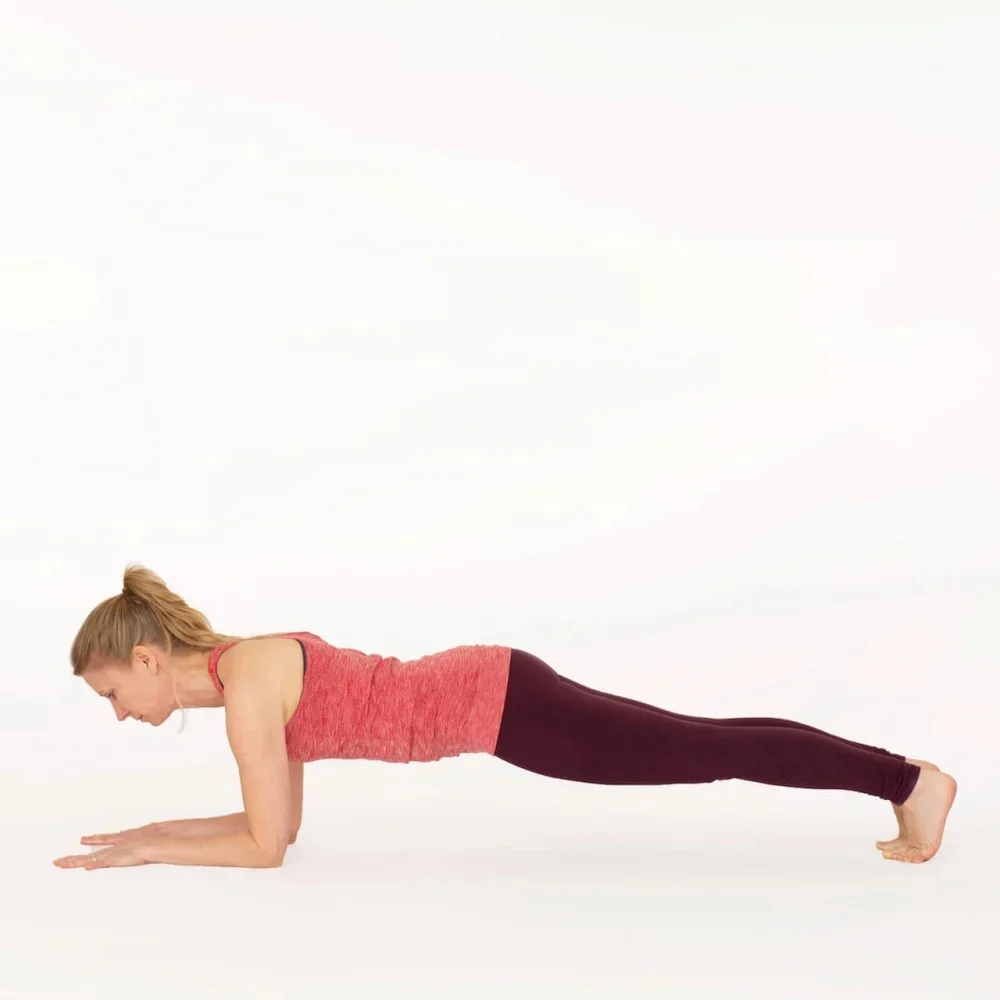
- Postural Benefit: activates the transverse abdominis.
- Calorie Burn/30min: 80–100 kcal
- Key Technique Tips: Avoid hips drooping and align shoulders over elbows.
Cat-Cow Stretches
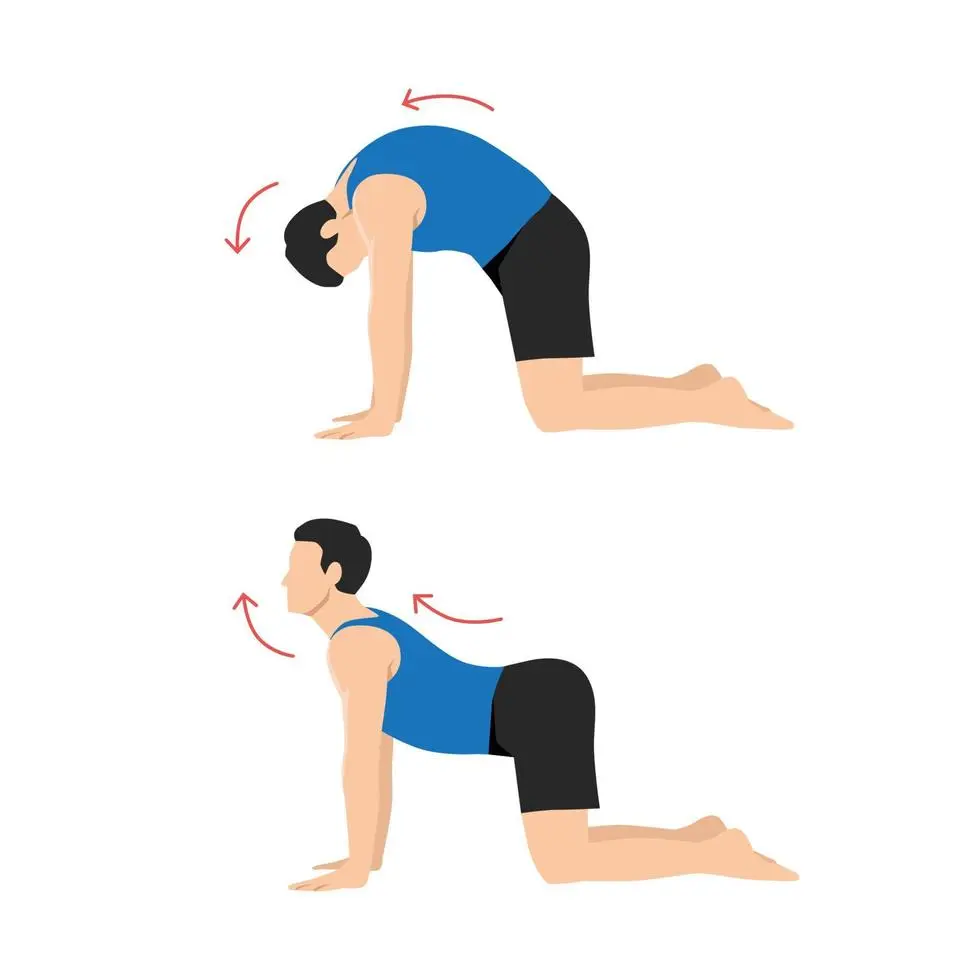
- Postural Benefit: increases spinal flexibility
- Calorie Burn/30min: 50–70 kcal
- Key Technique Tips: Pay attention to the movement of each vertebra and coordinate it with breathing.
Beyond these specific exercises, integrating postural awareness into normal movement patterns enhances advantages over time. Simple changes that improve posture and enhance energy expenditure include sitting with lumbar support, standing erect while waiting in line, and keeping good alignment when walking.
Incorporate these workouts into a thorough fitness regimen that includes the following for best results:
- Frequent cardiovascular exercise to produce a calorie deficit
- Using resistance exercise to increase muscle mass and improve metabolic health
- Work on flexibility to correct postural abnormalities
- Core strengthening to offer spinal support
Maintaining good alignment is made simpler by increased strength, and improved posture leads to more effective training, creating a positive feedback loop.
Practical Tips to Improve Posture for Weight Loss
Making simple improvements to posture and everyday movement patterns can dramatically enhance weight loss results. Here are a few practical strategies:
- When standing, sitting, or walking, use your core to keep your spine supported.
- To prevent slouching while working at a desk, adjust your workspace.
- Breathe deeply to enhance your metabolism and oxygen intake.
- To relieve tense muscles, engage in flexibility exercises like infrared treatment.
- Stretch regularly, especially if you spend lengthy hours in a seated position.
People can improve their weight loss efforts, avoid injuries, and increase movement efficiency for long-term results by concentrating on good alignment.
Daily Habits Support Both Posture and Weight Management
Daily habit changes can have a big impact on posture and weight management results, even outside of regular exercise. These useful techniques fit easily into daily routines:
- Ergonomics in the Workplace: Set an hourly reminder to check your desk posture: feet flat on the floor, screen at eye level, and shoulders relaxed but back. An ergonomically optimized workspace promotes greater movement throughout the day while lowering musculoskeletal strain.
- Movement Breaks: Interrupt extended sitting with quick standing periods. Research showed that standing workstations in 30-minute intervals boost non-exercise activity thermogenesis (NEAT)—the calories burnt during regular activities outside of formal exercise.
- Mindful Movement Practice: To strengthen correct alignment, try the “book balance” walking technique, which involves putting a book on your head for intervals of five minutes. This easy exercise improves body awareness and strengthens postural muscles.
- Posture Cues: Place visible reminders about posture in commonly viewed spots. Over time, maintaining excellent posture requires less energy because these circumstances help reinforce right alignment until it becomes habitual.
- Sleep Positioning: To keep your spine aligned while you sleep, get the right pillows and mattress support. Proper overnight posture minimizes morning stiffness that could otherwise restrict physical activity.
Over time, these minor but steady changes add up to strengthen the reciprocal relationship between weight control and posture. According to research, integrated strategies that address both aspects at the same time produce better outcomes than concentrating on just one alone.
The Health Advantages of Combining Weight Control and Posture Improvement
The synergistic effects of correcting both posture and weight extend beyond aesthetic gains. Patients who combine posture correction with medical weight management report significant benefits across various health parameters:
- Reduced Pain and Discomfort: Research shows that treating both posture and weight at the same time can reduce complaints of low back pain by up to 35%. An important obstacle to physical exercise is eliminated by this pain decrease.
- Improved Respiratory Function: Proper postural alignment allows for fuller lung expansion, boosting oxygen intake during both rest and exertion. The metabolic activities necessary for controlling weight are supported by this respiratory efficiency.
- Enhanced Digestive Comfort: Research demonstrates 40% faster cure of acid reflux symptoms when combining posture correction with weight management techniques. This improvement minimizes drug reliance and boosts overall comfort.
- Better Treatment Results: Patients who use integrated strategies retain 18% more fat at 12-month follow-ups than those who treat weight without accounting for postural issues. This data implies that postural improvement may contribute to more durable effects.
- Increased Physical Confidence: Many people report being more ready to participate in social and physical activities that they had previously avoided when their posture improves and their weight returns to normal. This creates a positive loop of increased mobility and continued development.
These interrelated advantages demonstrate why all-encompassing approaches to health produce better results than single interventions. The body works as a cohesive system, and advancements in one area frequently lead to advancements in others.
FAQs
Does posture affect weight loss?
Poor posture can contribute to slower metabolism, incorrect digestion, diminished movement efficiency, and even hormonal imbalances—all of which can impair weight management. Maintaining proper posture enhances spinal alignment, maximizes muscular performance, and lessens needless strain on the body, all of which increase the efficacy of weight loss attempts.
What is the root cause of poor posture?
A person may have bad posture for a number of causes, such as poor biomechanics or repeated actions. weakened muscles. genetic circumstances.
Which muscles are weak in poor posture?
Daily use of this position can cause the tiny, postural upper back and neck muscles that hold the shoulders back to weaken and the chest muscles to shorten. The major back and neck muscles, such as the Trapezius and Rhomboids, have to work harder as a result, and they become tense and sore.
What are the first signs of bad posture?
rounded shoulders.
Potbelly.
knees bent when walking or standing.
Either a forward or backward-leaning head.
Back pain.
body aches and pains.
weakness of the muscles.
a headache.
What is the disease caused by bad posture?
Poor posture or issues with the anatomy of your spine are common causes of kyphosis. Additionally, it may occasionally occur from a spinal injury or as a result of diseases like osteoporosis and arthritis. There are three primary forms of kyphosis. Don’t self-diagnose; if you’re concerned, consult a doctor.
References:
- Sinclair, G. (2025, March 29). The scientific link between posture and weight loss. Rumen. https://www.rumen.com.au/article/improving-posture-weight-loss-scientific-connection/
- Ramirez, T. (2025, February 27). How posture affects weight loss and body function – Carousel physiotherapy. Carousel Physiotherapy. https://carouselphysiotherapy.com.au/how-posture-affects-weight-loss-and-body-function/
- Cmg. (2022, February 23). Can posture impact weight loss? Courtney Medical Group. https://courtneymedicalgroupaz.com/2022/02/23/can-posture-impact-weight-loss/