High-Protein Diets
Introduction
High-protein diets seemed to be a concern for athletes rather than something that ordinary families considered daily. Today’s supermarkets are brimming with protein-rich foods and snacks that promise increased energy, fullness, and a simpler approach to weight control. Nowadays, those who want to use protein to enhance their metabolism, increase muscle strength, or lose weight are drawn to high-protein diets.
Knowing what protein achieves and how much your body actually requires is helpful before you fill your shopping basket with “protein-packed” items. More protein does not always translate into improved health, and not all high-protein diets are equally beneficial.
The Benefits of Protein for Your Body
Major bodily activities are supported by protein. It promotes hormones and enzymes, strengthens your immune system, heals tissue, and increases muscle mass. Protein is used daily by your body, but unlike fats or carbohydrates, it cannot be stored for later. Your diet must provide you with enough.
Why Many People Find High-Protein Diets Appealing
Many people are drawn to a high-protein diet for various reasons. While some desire better blood sugar control or an enhanced metabolism, others desire greater fullness in between meals. Furthermore, as you age, protein provides even greater assistance for muscle strength. as you get older. A high-protein diet can be beneficial if it is balanced with whole grains, fiber, and healthy fats.
The Science of Protein: Beyond the Muscle
There is much more to protein than just bodybuilders using it as a tool. It is a necessary macronutrient that the body converts into amino acids for tissue repair, hormone and enzyme production, and immune system maintenance.
- The Satiety Factor: Inducing satiety is one of the most important advantages of a diet high in protein. Protein increases levels of peptide YY, a hormone that makes you feel full, while decreasing levels of the hunger hormone ghrelin. This makes it a useful tool for type 2 diabetics to control their weight and short-term blood sugar levels.
- The Thermic Effect: Compared to fats or carbs, the body uses more energy to digest protein. This “thermic effect of food” can help those who are in a calorie deficit by modestly increasing metabolism.
The “more is always better” mentality can be harmful, despite the obvious advantages of overconsumption. The kidneys have to work harder to filter out nitrogen byproducts when they consume too much protein. This can hasten renal deterioration in people with undetected early-stage kidney disease. Additionally, a lot of diets high in protein contain a lot of purines, which can raise uric acid levels and cause severe illnesses like gout.
Quantity vs. Quality: The Source Is Important
It’s not just about how many grams you eat; it’s also about where they come from. A diet based on whole foods differs greatly from a high-protein diet that includes commercial protein bars and processed red meats.
- Plant vs. Animal: Because they contain vital fiber and minerals, research indicates that plant-based proteins, such as lentils, chickpeas, soy, and almonds, are associated with reduced mortality rates and enhanced heart health.
- The Fibre Gap: High-protein fanatics frequently fall victim to the fibre gap. When you pile your plate heavy with meat and eggs, you often leave little room for grains and vegetables. Chronic constipation and a disturbed gut flora might result from this lack of fiber.
- The Supplement Trap: A lot of folks use shakes and powders as a quick fix. These, however, are frequently processed and could have artificial additives or hidden sugars. When it’s feasible, advise using natural sources like curd, sprouts, seafood, and pulses to reach your protein objectives.
A diet rich in protein can benefit you in the following ways:
- Maintain muscle strength: As you age, protein helps your body maintain muscle mass and repair damaged tissue.
- Promote weight loss: Protein-rich meals may prolong feelings of fullness, which may reduce the urge to overindulge.
- Balance blood sugar: When combined with fiber and healthy fats (such as avocado, almonds, seeds, and olive oil), protein slows the digestion of carbohydrates and helps prevent abrupt rises in blood sugar.
- Increase metabolism: Compared to fats or carbs, protein takes more energy to break down. Your body may consume a few more calories each day as a result.
- Encourage healing and recovery: Your body needs protein to heal wounds, restore tissues, and recover from disease or surgery.
- The natural “appetite suppressant” action of proteins makes you feel less hungry. For several hours, they eliminate the urge to nibble and the sensation of hunger. In fact, you feel fuller for longer because of their sluggish digestion. Protein is, therefore, your slimming ally in a variety of weight loss techniques.
- Speed and efficacy of the protein diet: Losing weight with the protein diet is not only substantial but also incredibly quick and efficient! At the start of the regimen, an average weekly weight loss of 2.5 kg was noted. The easiest approach to deal with being overweight is to lose weight by eating fewer calories; the answer is to follow a low-calorie diet to access your reserves.
- The simplicity of a successful diet: Eating more protein increases metabolism. When digesting proteins, the body expends more energy and calories than when digesting fats or carbohydrates. As a result, the body burns more calories even when it is not moving.
- Motivation to maintain the diet: The high-protein diet allows for rapid and effective weight loss, which motivates you to maintain the diet from the start.
- Variety of high-protein goods: More than 120 kinds of high-protein items are available for your protein diet, enabling you about eating meals while reducing weight. After your weight reduction diet, you can also have your protein sachets, which are made up of a very complete amino acid profile, as a snack.
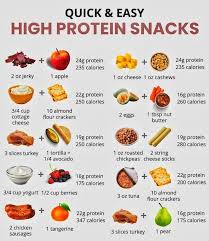
How to Include High-Protein Snacks in Your Daily Routine
There are high-protein snack bars, drinks, chips, and cereals practically everywhere. When you’re feeling a little peckish or need a fast fix, some of these protein snacks are really worth it. They can also be useful if you need easy, on-the-go solutions or struggle to meet your protein goals. (Consider a snack bag of chips or cookies vs a handful of almonds or a dollop of Greek yogurt; these are single-ingredient items with additional nutritional advantages.
Nevertheless, many of these goods contain processed ingredients, artificial flavors, added sugars, or fillers that add calories without much nutritional value. Certain snacks include protein but are deficient in vital nutrients such as fiber, vitamins, and healthy fats. a basic tip to keep in mind. Whole foods often give you more nutrition for the same amount of protein.” While they can be useful in some circumstances, protein snacks shouldn’t take the place of well-balanced meals. Don’t just look at the protein number on the front; look at the entire ingredient list.
Potential Dangers of a High-Protein Diet
A higher-protein diet is generally well tolerated by most people, particularly when the protein comes from a variety of sources. However, eating the incorrect combination of foods or consuming too much protein can cause issues. Keep an eye out for these possible protein hazards:
Stress on the kidneys
Eating too much protein can put your kidneys under more stress if you have renal disease or impaired kidney function.
Changes in digestion
If you eat a lot of meat or processed food, a high-protein diet may push out fiber. Constipation and discomfort can result from consuming insufficient amounts of fiber.
High levels of saturated fat
Some protein sources, such as full-fat dairy or fatty meat cuts, can increase your intake of saturated fat and have an impact on heart health
Meals that are out of proportion
You may be deficient in other nutrients your body needs, such as complex carbs, fruits, vegetables, and whole grains, if you exclusively concentrate on protein.
Additional sugars in protein-based products
Sugars or sweeteners that increase calories without providing additional nutritional value are present in several packaged high-protein foods.
Increased Kidney Acid Load
Sulfur-containing amino acids found in animal proteins cause the body to produce more acid. The likelihood of kidney stones is further increased by this acid load, which encourages the release of calcium from bones.
Lower Citrate Levels
Stone formation is naturally inhibited by citrate. Urinary citrate levels can be lowered by high-protein diets, which facilitates the development of stones.
Risk of Dehydration
Urine concentration rises because protein metabolism needs more water to eliminate waste. One established risk factor for kidney stone development is dehydration.
Protein Intake Balance for Renal Health
- Moderate Protein consumption: For most adults, a daily consumption of 0.8–1.2 g/kg of body weight is advised.
- Boost Hydration: Drinking plenty of water dilutes urine and reduces the risk of developing stones.
- Select Plant-Based Proteins: Compared with animal proteins, plant proteins (such as legumes, almonds, and tofu) have a smaller effect on calcium excretion.
- Monitor Kidney Function: Before consuming more protein, people with a history of kidney stones or pre-existing kidney disease should speak with a healthcare professional.
Unique Approaches to Increase Your Daily Protein Intake
Select whole-food proteins
Lean chicken, turkey, salmon, eggs, tofu, beans, lentils, Greek yogurt, and cottage cheese are natural sources of protein with fewer additives.
Combine protein with fiber
Combine high-fiber foods like fruits, vegetables, beans, whole grains, and nuts with protein to make you feel fuller. Distribute your protein intake throughout the day. When you spread out your protein intake over several meals and snacks rather than consuming it all at once, your body uses it more efficiently.
Make minor improvements
Use nuts or seeds in salads, add beans to soups, stir cottage cheese into scrambled eggs, or go for whole-grain toast with unsweetened nut butter.
Select Lean Beef
A good, juicy steak is the epitome of protein. Additionally, you will receive all of the protein with significantly less harmful fat if you select a lean cut. In actuality, the amount of saturated fat in a lean beef cut, such as a top round steak, is hardly higher than that of a skinless chicken breast of the same size.
Advice for Selecting Poultry
When purchasing chicken or other fowl, choosing white meat will result in significantly less fat than eating dark meat. Remove the skin as well because it contains saturated fat.
Don’t Ignore Pork
If you know what kind to choose, pork provides a lot of protein without being overly fatty. Seek out sirloin, shoulder blade, rib chops, tenderloin, or top loin steaks. Compared to decades ago, pork slices are now significantly slimmer.
Fish Provides Good Fats
Fish is usually low in fat and high in protein. Even seafood with higher fat content, such as tuna and salmon, is a healthy option. Omega-3 fatty acids, which are beneficial to your heart, are typically found in fish. Most people don’t get sufficient quantities of omega-3 fatty acids from their diet.
Eggs for Affordable Protein
One excellent source of lean protein is eggs. Additionally, even while the yolk contains cholesterol, it is less likely to raise your cholesterol than diets high in trans and saturated fats.
Try soy
Animals are not the only source of protein. Plant-based protein sources include soy burgers, tofu, and other soy-based foods. Bonus: Eating 25 grams of soy protein daily may lower cholesterol.
Consume More Beans
Three ounces of broiled steak contain almost the same amount of protein as one and a quarter cups of beans. In addition to providing protein, beans’ fiber lowers your LDL (“bad”) cholesterol and prolongs feelings of fullness.
Calcium Is Added to Low-Fat Dairy
You can get calcium and protein for strong bones and a healthy heart from milk, cheese, and yogurt. Dairy products that are low-fat, nonfat, or reduced-fat can help you manage your calorie intake.
Go Fiber, Go Whole Grains
Make sure the grains you eat are contributing to your diet because the majority of high-protein diets exclude grains. Give preference to whole grains. You’ll receive nutrients and fiber. Make sure the products you purchase are low in fat or sugar by reading the labels to see if they are produced from whole grains.
Make Space for Vegetables and Fruits
While fruit is frequently restricted, most low-carb diets still contain some veggies. Eliminating fruit momentarily to reduce your carb intake has no known negative effects. However, for your long-term health, choose a diet that includes fruit once you reach your weight goal.
Not working out
Exercise and proteins go hand in hand. Exercise requires proteins, and activity uses proteins. Therefore, you cannot simply take protein if you want to gain muscle, for example. Rather, you should work out for about 150 minutes a week and perform strength training at least twice a week. You also need to drink more water to keep your body hydrated.
Ignoring the significance of staying hydrated
Not drinking enough water is one of the typical mistakes you should avoid if you are on a high-protein diet. In order to avoid health issues like constipation, such diets necessitate consuming more water. Furthermore, consuming a lot of protein provides your body with nitrogen, which it then eliminates through bodily fluids. To keep strong and healthy, try consuming up to 64 ounces of water per day.
Eating a single meal that has all the protein
Having all your protein in one meal is another common mistake to avoid when following a high-protein diet. For instance, eating a large amount of protein in one sitting can damage your kidneys by making them work harder than usual. And you may get kidney dysfunction if that occurs too frequently. Rather, divide up your protein intake and consume it throughout the day. You may spread out your protein intake throughout the day and even enjoy it, as you can see.
You can achieve your protein goals without specific products. When Supplements or Packaged Protein May Help, try incorporating these easy ways to add protein and nutrients to your meals.
Not everyone requires protein powders, smoothies, snacks, or supplements. They can assist you if you are:
- Being pressed for time and unable to make regular meals
- recovering from a disease or procedure
- Not eating enough because you’re not hungry
- preparation for physical challenges
When selecting a protein supplement, search for items with little added sugar and a short ingredient list.
You can choose what best suits your health needs with the assistance of your doctor or a dietician. Don’t forget to focus on your body. See your doctor if, after increasing your protein consumption, you experience digestive problems, unusual lethargy, edema, or difficulty eating. Individuals with diabetes, heart problems, or kidney illness may require specialized advice.
Are diets heavy in protein safe for losing weight?
In healthy individuals, diets heavy in protein have not been linked to health issues. However, these diets come in a variety of forms. One extreme example is the carnivore diet, which replaces almost all carbohydrates with nutrients derived from animals. However, a high-protein diet can incorporate all the food categories.
Because they make you feel fuller, high-protein diets generally aid in temporary weight loss. However, a long-term high-protein diet carries some health hazards. The long-term dangers of high-protein diets that restrict carbohydrates are still being investigated by researchers.
Certain high-protein diets, particularly extremely restricted ones like the carnivore diet, restrict carbohydrates to the point that you may not obtain enough fiber or nutrients. Constipation, headaches, and foul breath might result from this.
Red meats, processed meats, and other foods high in saturated fat are permitted in several high-protein diets. Eating these meals may make you more susceptible to heart disease. Additionally, they may raise your “bad” cholesterol, or low-density lipoprotein (LDL) cholesterol.
For those with kidney disease, a high-protein diet may impair kidney function. This may occur as a result of the body’s inability to eliminate all of the waste products from broken-down protein.
Make careful protein choices if you choose to pursue a high-protein diet. Avoid eating processed meats. Select protein options that are high in nutrients, like:
- protein from soy
- legumes like lentils and beans
- seeds and nuts
- Fish
- skinless, lean chicken
- lean pork and beef
- dairy products with less fat
- whites of eggs
How Much Protein Is There?
Men require roughly 60 grams of protein daily, while women require at least 50 grams. A high-protein diet can make it considerably more than that. Some more protein can be obtained from beans, meat, nuts, cereals, eggs, seafood, and vegetarian sources like soy. Cereals, grains, fruits, and potentially vegetables are examples of carbohydrates that are frequently restricted in these diets.
How Do Diets High in Protein Operate?
Eliminating carbohydrates causes you to lose water, which accelerates weight loss. The body then starts burning more fat for sustenance since there are no more carbohydrates. This may lead to ketosis, which may help with weight loss by decreasing hunger. For some people, ketosis might result in transient headaches, irritability, nausea, foul breath, and difficulty sleeping.
Conclusion
There are many advantages to protein diets, including increased satiety, improved weight control, and greater muscle growth. They may have disadvantages, though, which should be carefully considered.
Finding the ideal mix for your unique demands and objectives is the key to success. You may make an informed decision that supports your fitness and health goals by carefully weighing the benefits and drawbacks of protein diets.
Before making major dietary changes, don’t forget to speak with a medical expert or certified dietician, particularly if you have any pre-existing medical concerns. Examine high-quality dietary options that can support your overall wellness journey and complement your protein goals.
FAQs
Can kidney stones result from consuming a lot of protein?
Absolutely, consuming too much protein can raise uric acid levels and calcium excretion, both of which can lead to kidney stones.
Are proteins from vegetarians “incomplete”?
All of the essential amino acids are provided by eating a range of plant-based foods throughout the day, even when individual plant foods may lack some of them.
Does summer fatigue get better with protein?
Of course, protein promotes consistent energy levels, but proper hydration is also essential for healthy digestion and nutritional absorption.
When is the ideal time to eat protein?
To promote ideal muscle synthesis, it is advisable to divide protein consumption equally among meals like breakfast, lunch, and dinner.
Can kids drink protein shakes?
Usually, it’s not required. Natural foods, including milk, eggs, pulses, lentils, and nuts, are the main sources of protein for kids.
Does a diet heavy in protein lead to foul breath?
Absolutely, consuming a lot of protein can produce ketosis, which can result in the production of chemicals that can give off an unpleasant breath odor.
Is it possible to eat excessive protein if you don’t exercise?
Absolutely, the body may retain extra protein as fat or discard it instead of using it for muscle repair if there is insufficient physical activity.
Is the white of an egg superior to the yolk?
Eating the entire egg provides balanced nutrition since the yolks include important vitamins, minerals, and healthy fats, while the whites supply pure protein.
Does protein aid in the healing process following surgery?
Absolutely, protein is essential for immune system support, tissue regeneration, and post-operative wound healing.
Can consuming a lot of protein lead to weight gain?
Absolutely, eating more calories than your body burns, even from protein, can lead to weight gain and fat accumulation.
Is curd an excellent source of protein?
Absolutely, curd is a great source of probiotics and protein that support gut health and digestion.
What symptoms indicate an excessive protein intake?
Excessive thirst, gastrointestinal distress, exhaustion, and sporadic mental fog are typical symptoms.
Does protein help maintain healthy bones?
In truth, eating enough protein contributes to maintaining bone density, particularly when it’s paired with enough calcium and vitamin D.
References
- https://www.mayoclinic.org/healthy-lifestyle/nutrition-and-healthy-eating/expert-answers/high-protein-diets/faq-20058207
- Sahyadri Hospital. (n.d.). https://sahyadrihospital.com/blog/highprotein-diets-benefits-risks-expert-advice/
- High-Protein diets: benefits, risks, and everyday choices. (2025, December 22). Catholic Health Long Island. https://www.catholichealthli.org/blog/high-protein-diets-benefits-risks-and-everyday-choices
- High-Protein diets — Do they really work? (n.d.). WebMD. https://www.webmd.com/diet/ss/slideshow-high-protein-diet
- Beeson, W. H. (2025, August 11). How to avoid the pitfalls of a high-protein diet. Beeson Cosmetic Surgery |. https://www.beeson.com/2025/08/11/how-to-avoid-the-pitfalls-of-a-high-protein-diet/
- More, N. (2022, April 7). Common mistakes to avoid on a High-Protein Diet. Nuts ’N More. https://nuts-n-more.com/blogs/the-spread/common-mistakes-to-avoid-on-a-high-protein-diet?srsltid=AfmBOooMGmfvvPQgUejUyu38ar1BgvIbM_HJQlRWyXnat-m25Vt4m60u
- https://www.cetofine.com/en/blog/what-are-the-advantages-and-disadvantages-of-the-high-protein-diet–n26?srsltid=AfmBOorPAyXT-9_52Ki1oFvyUUi9W2lokynok201ylX7vnlGZX0dZL14
- Aditya. (2026, March 11). Protein Diet Pros and Cons: Making an informed choice for your lifestyle. Wellbeing Nutrition. https://wellbeingnutrition.com/blogs/performance-sports/protein-diet-pros-and-cons-making-an-informed-choice-for-your-lifestyle?srsltid=AfmBOooSNc6YEsVcW4z2WyW1Ct5KEn8bA-iCfFdB9ijAe-0FFT4UI7Ke