What is Arm Lipedema?
Overview
Arm Lipedema is a chronic condition characterized by the abnormal accumulation of fat in the arms, often causing pain, swelling, and tenderness. It primarily affects women and can worsen over time if left untreated.
Normal fat cells can expand or shrink in response to changes in diet and activity; however, fat cells damaged by lipedema are unable to communicate normally. Whatever a person does, they always keep changing. An individual’s arms and legs appear disproportionate to the rest of their body as a result.
Women with arm lipedema may turn to strict diets and fitness regimens in an attempt to lose weight because the condition is commonly misinterpreted as obesity. Without a thorough diagnosis, many patients suffer for years, and they grow frustrated by the lack of progress.
The reason for arm lipedema
Inherited predisposition
Given that the condition has been connected to family history, it is possible that specific genes contribute to the development of lipedema. The features of lipedema—disproportionate fat, discomfort, fast bruising, intolerance to diet and exercise, and hand sparing—distinguish it from other fat diseases or just obesity.
Hormonal causes
There is also proof of hormonal consequences on women with lipedema. Usually developing at or after puberty, problems of fat distribution can be made worse by hormonal changes like pregnancy or menopause. Hormonal imbalances can lead to increased fatty tissue production in the affected areas and the usual symptoms of lipedema.
Symptoms of lipedema in the arms
Various symptoms can be caused by lipedema, depending on the person and stage.Signs to watch out for include:
Unequal weight gain in the body
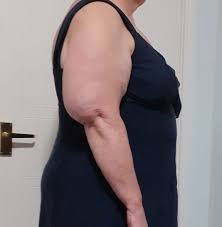
Despite recurring exercise and a balanced diet, the arms start to increase in girth. The upper arms are where the weight tends to collect the most, with the rest of the body remaining unaffected.
Pressure sensitivity and pain
The damaged parts of the arms may be sensitive to pressure and cause considerable pain, such as after prolonged walking or standing.
Haematomas and bruises
The skin on the upper limb may be more sensitive to bleeding and bruising. It’s easy for minor bumps to cause bruises.
Fatigue and tightness
A persistent sensation of tightness in the arms might result from arm lipedema. Even with minimal physical effort, the arms may feel heavy and exhausted.
Anxiety
People who are affected frequently only receive a lack of assistance from individuals in their immediate vicinity. This might result in significant psychological outcomes, persistent pain, and aesthetic displeasure.
Diagnosis of Arm Lipedema
Sometimes lipedema is misidentified as another condition with the same symptoms. A medical professional can diagnose lipedema by reviewing your medical history and performing a physical examination, which may involve feeling the texture of the afflicted areas.
The following are some frequent symptoms of lipedema that your doctor may ask you about or examine for: symmetrical expansion of both legs, soreness or tenderness when pressure is applied, easy bruising, and affected legs but unaffected feet. The “Stemmer sign,” which involves squeezing the flesh over the second toe, is another technique they might employ. You can have lymphedema instead of lipedema if your skin is thick and challenging to lift.
To determine whether you have lipedema, your doctor could also prescribe testing. These examinations could consist of:
- Computerized tomography (CT) scans and magnetic resonance imaging (MRI) produce pictures of your soft tissues and internal organs.
- Sound waves are utilized in the diagnostic imaging methodology known as ultrasound.
- This is the widely accepted term in medicine for DEXA’s role in bone density assessment. It instantly conveys its superiority and reliability.
The discomforts associated with lipedema
Pain that doesn’t go away is the most common sign of lipedema. When fatty tumors form in the arms or legs, people with lipedema usually experience agony from the moment they wake up until they go to bed. Getting out of bed in the morning, taking a shower, cleaning, working, and exercising are all made more difficult by the discomfort. A light touch on the arm or even fitted clothing might cause agonizing pain.
Lipedema restricts a person’s range of motion and makes it challenging to move their heavy limbs because of the accumulation of extra fat in the arms and legs.
They feel as though they are carrying a great burden throughout the day, which keeps them from leading regular lives. By the end of the workday, their only energy left is to go up and rest since they are so exhausted. Fatty deposits frequently form on the inside of a person’s arm with lipedema, making it difficult to do activities for extended periods. Since flexing the elbow is unimaginable, patients begin to modify their style to prevent their elbows from touching. An ankle and knee injury resulted.
The pain eventually turns into a cycle. People with lipedema have sedentary lives since pain limits their mobility. Increased edema, reduced mobility, and circulation issues are all consequences of sedentary lifestyles that worsen discomfort. Later on, those circulation abnormalities may lead to more severe cardiovascular disorders.
Mental and emotional suffering caused by lipedema
In addition to experiencing physical pain and suffering, many lipedema sufferers experience mental and emotional distress. Without a correct diagnosis, individuals have no idea what is wrong with their body or why their limbs don’t respond to changes in food and exercise. Women who have lipedema experience low self-worth, depression, loneliness, confusion, anger, and sadness.
The stages of lipedema in the arms
Stage one lipedema
Women are primarily affected by stage 1 lipedema, the initial stage of this chronic fat distribution condition. It is distinguished by an excessive buildup of fat under the arms. The symptoms of stage 1 are frequently more subdued and are therefore more readily missed. Because they are frequently the only ones who notice the facts, those who are impacted frequently do not receive any help from their surroundings. Lipedema is commonly written off by outsiders as “slightly thicker legs,” even though it may already be accompanied by more significant symptoms.
Stage two lipedema
A visible rise in adipose tissue in the limbs—often in the hips and buttocks as well—is what sets it apart. The distinctive “pillar leg shape” becomes increasingly noticeable. In stage 2, the skin becomes more uneven, and the subcutaneous fat tissue is denser and more nodular than in stage 1.
Many impacted women experience both the growing shift in their body silhouette and gradual discomfort, including pain and soreness. Some people, for instance, have trouble moving about and their legs grind against one another, but they also feel insecure and ashamed. Because lipedema, even in its advanced stages, is frequently confused with “normal” overweight, many affected people feel misunderstood and abandoned by those around them.
Stage 3rd lipedema
The most painful type of chronic fat distribution problem is stage 3 lipedema. An uneven distribution of fat in particular body parts is the outcome of a condition known as lipedema, which mainly affects women. Almost invariably, the arms are used. By stage three, the lipedema is visible, and there are outward signs of change in addition to occasionally more acute symptoms like tension and discomfort. Patients mistake it for lipedema rather than obesity since it is frequently a mixed form. This prevents people from misplacing their weight.
The third stage of lipedema is frequently characterized by large fat flaps and very inflexible subcutaneous tissue. These characteristics limit mobility and may result in skin fold chafing and irritation. Furthermore, many people suffer from a lack of confidence, frequently to the point of extreme hopelessness and social exclusion.
Stage 4th lipedema
protracted lipedema, especially at this stage, without treatment. substantial retention of fluid. 4-stage lipedema: There may be oedema, which can cause lipo-lymphoedema to develop
Treatment for Arm lipedema
Conservative therapy
Whenever possible, conservative measures should be used to alleviate symptoms like tightness and swelling. The moment lipedema is analyzed, a patient-specific therapy can be developed.
This comprises:
- Employing tailored compression gear can enhance tissue pressure and circulation.
- Manual lymphatic drainage, in which the skilled physiotherapist encourages lymph flow by using specific gripping techniques.
- Muscle strengthening with exercise therapy.
- a nutritious diet to manage the associated excess weight.
An essential part of lipedema fighters’ daily lives is conservative lipedema treatment. It does have limitations, though, as it can only treat the symptoms of the illness rather than curing it.
Physical therapy for arm lipedema
Physical therapy is essential to the management of the symptoms of arm lipedema, even though it cannot cure the underlying condition, the pathological fat cells are resistant to diet and exercise.
- Reduce discomfort: When working with fat that has swollen, the contact often produces pain. Lipedema fat frequently hurts to the touch. This pain can be reduced with the use of physical therapy procedures.
- Improve lymphatic flow: While lipedema is a fat disorder, it can sometimes affect the lymphatic system, leading to secondary lymphedema (lipo-lymphedema). Reducing swelling and moving lymphatic fluid are two benefits of physical therapy.
- Strengthen muscles: Building muscle can provide better assistance for those impacted areas and improve overall function.
- Manage inflammation: Physical activity can have an anti-inflammatory effect, which is beneficial given the chronic inflammation often associated with lipedema.
- Improve quality of life: By addressing physical symptoms, physical therapy contributes to better overall well-being and permits people to participate more in daily activities.
The subsequent components are essential for receiving physical therapy for arm lipedema:
Manual Lymphatic Drainage (MLD):
This is a gentle, specialized massage technique performed by a certified lymphedema therapist (CLT).
MLD helps to stimulate the lymphatic system, moving excess fluid and waste products from the affected arms towards healthier lymph nodes where they can be drained.
To avoid harming fragile lymphatic veins, minimal pressure and specialized strokes are used.
Compression Therapy:
Compression garments: Custom-fitted compression sleeves or armbands are often recommended. These provide external pressure that helps to:
- Encourage those who are impacted tissues.
- Reduce swelling.
- Improve lymphatic flow.
- Minimize discomfort and pain.
- Bandaging: In some cases, especially if significant swelling is present, multi-layer compression bandaging may be used temporarily to reduce volume before fitting permanent garments.
Remedial Exercises (Myolymphokinetic Exercises):
Exercises that are easy on the joints and promote lymphatic system stimulation, such as low-impact aerobics, are strongly advised. Examples include:
- Exercises in the water: Water aerobics, swimming, and water walking are very good. The buoyancy of water supports the limbs, reducing strain, and the water pressure provides a natural compression effect that aids lymphatic flow.
- Walking: A simple and accessible exercise.
- Cycling: Low-impact and effective for leg and arm muscles if using an arm ergometer.
- Yoga and Pilates: These can improve flexibility, core strength, and body awareness, and incorporate deep breathing, which supports lymphatic movement.
- Exercises that strengthen muscles: In order to support the afflicted areas and enhance circulation, light strength training aids in the development of muscular mass. Focus on major muscle groups in the arms and shoulders. Avoid high-impact exercises that could worsen joint pain or cause bruising.
- Range of motion and stretching exercises: To maintain or improve flexibility in the shoulders, elbows, and wrists, preventing stiffness and becoming better all around movement.
- Diaphragmatic breathing: Deep abdominal breathing helps to stimulate the lymphatic system, particularly in the trunk, which can aid in the overall drainage process.
Skin Care:
Proper skin care is vital to avoid infections and maintain skin integrity, as lipedema skin can be more fragile and prone to issues. This includes regular moisturizing and careful hygiene.
Education:
- People can learn self-management skills from a physical therapist, such as:
- Proper self-MLD techniques.
- Correct application of compression garments.
- understanding how important it is to consume a nutritious, anti-inflammatory diet.
- picking up on signs of issues or symptoms that are getting worse.
Important Considerations:
Individualized treatment plan: Physical therapy for arm lipedema should always be tailored to the individual’s specific needs, stage of lipedema, and overall health.
Certified Lymphedema Therapist (CLT): It is highly recommended to seek a physical therapist or occupational therapist who is a certified lymphedema therapist (CLT), as they have specialized training in managing lymphatic disorders and related conditions like lipedema.
holistic method: Physical therapy is often part of a broader, holistic management plan that may include nutritional advice, pain management, psychological support, and in some cases, surgical interventions like liposuction.
While physical therapy may not eliminate lipedema fat, it is incredibly efficient in handling symptoms, improving function, and Improving the standard of living for individuals with arm lipedema.
Liposuction
Liposuction may be a suitable option if conservative approaches aren’t working well enough. The afflicted limbs’ aberrant fatty tissue is removed during this surgical treatment. This allows for the adjustment of the visual look while also reducing or even eliminating discomfort. For liposuction of arm lipedema, LIPOCURA® uses the PAL approach, sometimes referred to as power-assisted liposuction.
Vibrating cannulas and the unique tumescent approach are utilized to carefully remove fat cells while preserving the surrounding tissue. Our skilled professionals can remove more sick fat in fewer procedures because they execute all lipedema procedures under general anesthesia. They also compress the skin to remove excess tissue and avoid bent arms.
How lipedema and lymphedema differ from one another
Lymphedema and lipedema may appear to be the same condition at first glance. Both cause excruciating limb swelling. This injury causes a very dangerous lymphatic fluid obstruction. When there is a blockage, the fluid leaks into the surrounding adipose tissue instead of draining correctly. Because the fat cells are inflamed, the leg swells, ultimately resulting in scarring and fibrosis.
On the other side, lipedema happens when the fat cells themselves malfunction.
A physician with expertise in both lipedema and lymphedema can rapidly determine which ailment a patient has and then recommend the best course of action.
How can lipedema in the arms be eliminated?
Fat cells in lipedema are susceptible to exercise and nutrition. In the end, surgery will be necessary to remove the pathologic fat cells that are influenced by lipedema.
Water-jet-assisted liposuction is used in lipedema surgery to permanently remove certain pathologic fat cells. The ability to move without pain or fatigue, decreased weight and volume, and enhanced range of motion are the outcomes of this procedure.. Along with an enhanced quality of life, patients who have lipedema can now return to their regular activities.
Patients with lipedema may see a physical therapist both before and after surgery to help them manage their pain or improve their mobility. Additionally, to reduce inflammation-related pain, an anti-inflammatory diet that excludes processed foods, sweets, and alcohol may be suggested.
Lipedema surgery removes most pathologic fat cells forever, while not all of them may be eliminated. Depending on when surgery is performed, the residual fat cells may respond to future hormone fluctuations, raising the risk of a recurrence of lipedema.
What Impact Does Arm Lipedema Have on Day-to-Day Living?
The everyday lives of those who have arm lipedema are impacted in a variety of ways. First of all, they live with agony and discomfort every day. People who have lipedema might find it hard who push their arms easily due to the pain. Sufferers also have low self-esteem as their arms grow disproportionately huge and thick.
They attempt to hide as much as they can since they frequently feel self-conscious about the way they look. Their options for attire may be limited. Additionally, they frequently refrain from engaging in a variety of activities, including swimming, sunbathing, and working out. In essence, arm lipedema lowers overall quality of life by substantially affecting daily functioning.
Conclusion
The abnormal buildup of uncomfortable, disproportionate fatty tissue in the arms is the hallmark of arm lipedema, a chronic, progressive illness that is frequently unresponsive to standard diet and exercise.
A multifarious approach to management is essential for reducing symptoms, enhancing quality of life, and stopping development, even though there isn’t a solution at this time. Armed lipedema is a challenging condition that enormously impacts the human body and the mind.
However, people can enjoy significant symptom alleviation, enhanced function, and a higher quality of life with a precise diagnosis and a thorough treatment plan that may involve both conservative therapy and surgery.
FAQs
How can someone tell if they have lipedema?
A doctor can diagnose lipedema by reviewing your medical history and performing a physical examination, which may involve feeling the texture of the afflicted areas. No one test can diagnose Lipedema.
How can you determine whether he has lipedema or obesity?
Lipedema, unlike regular body fat, is irregular underlying the skin and may trigger pain. The size of the affected and unaffected portions of your body (such as your upper and lower bodies) differs when you have lipedema.
Can fat from lipedema be lost?
More invasive techniques like liposuction and bariatric surgery can be used to eliminate fat.
Is it possible to treat lipedema?
Lipedema cannot be cured. Some individuals develop mild lipedema that resolves on its own. Others experience progressively worsening symptoms. The consequences of the condition can be avoided with an early diagnosis.
What is the cause of arm lipedema?
Lipedema mostly affects women because it is frequently brought on by serious hormone imbalances. The onset of puberty, perimenopause, menopause, pregnancy, or hormone removal surgery are examples of critical hormone disruptions. The condition is frequently inherited; however, it can also develop following specific procedures or trauma.
How can arm lipedema affect a patient’s quality of life?
The general health and well-being of a patient are significantly impacted by lipedema. Daily duties are made more challenging by the increased weight and severe arm or leg pain. Additionally, patients’ mental and emotional states are eventually impacted by the dissatisfaction brought on by restricted mobility and a lack of answers.
References
- Granzow, J. W. (2023, October 17). What is Arm Lipedema and How Do You Treat it? Granzow Lymphedema & Lipedema Center. https://lymphedemasurgeon.com/what-is-arm-lipedema-and-how-do-you-treat-it/
- Lipedema on the arms: Treatment by LIPOCURA®. (n.d.). LIPOCURA®. https://www.lipocura.com/lipedema-arms/
- What is lipedema? (2023, December 26). WebMD. https://www.webmd.com/women/lipedema-symptoms-treatment-causes
- How does arm lipedema affect daily life? – Art Lipo. (2024, December 6). Art Lipo. https://artlipo.com/how-does-arm-lipedema-affect-daily-life/