Role of Hormones In Weight Gain And Weight Loss
Introduction
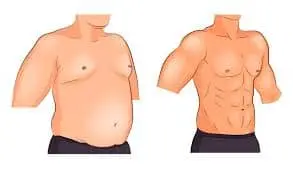
There is a connection between hormones and weight gain. Weight gain can result from hormones, which are chemicals that regulate how our bodies function. Leptin, insulin, growth hormone, sex hormones, and other hormones influence where you store fat, how quickly you burn calories, and how hungry you feel.
Hormone levels in overweight people frequently cause them to store more fat. Hormones are released into the bloodstream by glands in your body. This system, known as the endocrine system, assists you in managing stress and various circumstances by coordinating with the immune system and brain.
Weight gain can result from either too much or too little of a particular hormone, and being overweight can also alter hormone levels.
Insulin
Your pancreas secretes small amounts of insulin throughout the day and more after meals. This allows glucose from food to enter fat, muscle, and liver cells for storage or energy use.
High blood sugar is the result of cells ceasing to respond to insulin due to insulin resistance. Obesity has been connected to it, and obesity can contribute to other conditions like heart disease and type 2 diabetes.
Insulin and obesity
The pancreas secretes the hormone insulin, which is crucial for controlling the metabolism of fat and carbohydrates. Insulin promotes the liver, muscles, and fat tissues to absorb glucose (sugar) from the blood. This procedure is crucial for maintaining normal levels of circulating glucose and ensuring that energy is available for daily tasks.
Insulin signals can occasionally be lost in obese people, and their tissues lose their ability to regulate blood sugar levels. Type II diabetes and metabolic syndrome may result from this.
Advice for increasing insulin sensitivity
The reverse of insulin resistance is insulin sensitivity. Improve insulin sensitivity by concentrating on lifestyle choices such as:
- Regular exercise: Both high- and moderate-intensity exercise can improve insulin sensitivity and reduce insulin resistance.
- Boost your sleeping patterns: Insulin resistance and obesity are associated with inadequate or poor sleep quality.
- Increase your intake of omega-3 fatty acids because taking supplements may help you become more insulin sensitive. Reliable Source for those suffering from metabolic diseases like diabetes. Increasing your intake of fish, nuts, seeds, and plant oils is another option.
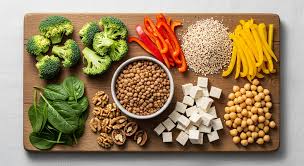
- Modify your diet: A Mediterranean diet rich in vegetables and healthy fats from nuts and olive oil may help lower insulin resistance. Reducing consumption of trans and saturated fats may also be beneficial.
- Maintain a moderate weight: Proper weight management and loss may enhance insulin sensitivity .
- Prioritize low-glycemic carbohydrates: Instead of trying to cut out carbohydrates entirely, try to make the majority of them high-fiber and low-glycemic. Whole grains, fruits, vegetables, and legumes are a few examples.
Leptin
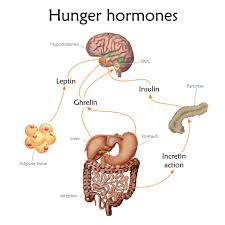
Your hypothalamus, the part of your brain that controls appetite, receives a signal from leptin that you are full.
When your brain fails to receive the signal to stop eating, it leads to leptin resistance, which ultimately results in overeating. Your body may then continue to produce leptin until your levels rise. Although the exact cause of leptin resistance is unknown, it may be triggered by inflammation, gene mutations, or the overproduction of leptin, which can occur in obese individuals.
Features of leptin
Being included in the cytokine group, leptin is primarily produced by adipocytes, which are adipose cells found in subcutaneous adipose tissue, with visceral adipose tissue (VAT) producing less of it. Leptin levels in the central nervous system (CNS) are directly correlated with blood levels, and body fat percentage is directly correlated with blood concentrations. The leptin receptor has multiple isoforms.
The Ob-Rb isoform, the one and only one with the corresponding intracellular domain required for the biological effects of leptin, is the primary signaling pathway. It has been shown that this isoform is highly expressed in the hypothalamus and immune cells, where it interacts biologically with the Janus kinase/signal transducer and activator of transcription (JAK/STAT) signaling mechanism.
Leptin and appetite regulation
Leptin regulates neuroendocrine function, feeding behavior, and energy expenditure through its transmembrane receptors, which are expressed throughout the body, including the central nervous system. There are several alternatively spliced LEP-R isoforms, including receptors for erythropoietin, growth hormone (GH), leukemia inhibitory factor (LIF), colony-stimulating factor 3 (CSF-3), interleukins (IL), and PRL.
The three classes of isoforms are secretive, long, and short. However, a long isoform of leptin that contains an intracellular domain (LEPRb), which is expressed in different parts of the central nervous system, is primarily responsible for the effects of leptin associated with obesity.
Leptin controls appetite by affecting the hypothalamic arcuate nucleus (ARC) POMC, AgRP, and NPY neuronal groups. In order to inhibit food intake, leptin affects POMC transcription, which in turn triggers the alpha-melanocyte-stimulating hormone (alpha-MSH), which interacts with the MC4R to activate neurons. Conversely, leptin reduces food intake by preventing AgRP neurons from generating AgRP peptides.
Advice for reducing leptin levels
A few lifestyle modifications may help reduce leptin levels even though there is currently no known treatment for leptin resistance:
- Keep your weight in check: Lowering body fat may help lower leptin levels.
- Enhance the quality of your sleep: In obese individuals, leptin levels may be linked to the quality of their sleep. There are many other reasons to improve your sleep, even though this association might not be present in those who are not obese.
- Regular exercise can help lower leptin levels.
Leptin and obesity
Fat cells produce the hormone leptin, which is then released into the bloodstream. By influencing particular brain regions, leptin decreases a person’s desire to eat. Additionally, it appears to regulate the body’s storage of body fat.
Because fat produces leptin, obese people typically have higher levels of the hormone than people of normal weight. However, obese people are less sensitive to the effects of leptin, which means they are less likely to feel full during and after meals, even though they have higher levels of this hormone that reduces appetite.
Ghrelin
In essence, ghrelin is leptin’s opposite. By informing your hypothalamus that your stomach is empty and that you need food, it primarily increases appetite.
Typically, ghrelin levels are at their lowest after a meal and at their highest before. Oddly, studies show that obese people are more susceptible to the effects of ghrelin despite having low levels of the hormone. Overeating may result from this sensitivity.
Disorders and Conditions
Low levels of ghrelin
Obese people typically have lower ghrelin levels. According to some researchers, this association may indicate that obese individuals have ghrelin-sensitive bodies by nature. The idea is that because their ghrelin levels are lower, these people might feel much hungrier.
Low ghrelin is also linked to several gastrointestinal conditions, such as:
- persistent gastritis
- Functional dyspepsia
- H. Pylori infection
- IBS, or irritable bowel syndrome
Elevated ghrelin
Ghrelin levels may rise in people who limit their caloric intake, such as when following a restrictive diet. Additionally, biological and genetic disorders like the following may be linked to high ghrelin:
- Anorexia nervosa
- Cachexia is a disorder that results in muscle atrophy
- Celiac disease
- Inflammatory bowel disease
- Prader-Willi syndrome
Features of ghrelin
The only protein the gastrointestinal tract produces that has an orexigenic effect is ghrelin, also known as the hunger hormone. The GHRL gene, which is found on chromosome 3, produces this 28-amino acid (AA) peptide. Progrelin is derived from 117AA ghrelin-obestatin preproprotein (preprogrelin), the first product of the GHRL gene. Unacylated 28AA ghrelin and acylated ghrelin C, which is most likely converted to obestatin, are further produced. Ghrelin O-acyltransferase (GOAT) post-translationally changes non-acylated 28AA ghrelin by attaching caprylic acid to serine at position 3 so that it can function at its receptor, GHSR-1a. The stomach lining cells are the primary producers of ghrelin.
Additionally, the duodenum and the small and large intestines have been found to express it at a lower level. The MBOAT4 gene, which produces GOAT, is present in the cell membrane of cells that secrete ghrelin, including those in the stomach.
Ghrelin and appetite control
Through the GHSR-1a receptor, which is highly expressed in the pituitary and hypothalamus, ghrelin plays a critical role in controlling appetite. In contrast to leptin, ghrelin has an orexigenic effect that primarily occurs through stimulation of NPY and AgRP neurons, which are powerful appetite stimulators, as well as effects on ARC nucleus neurons via GHSR-1a receptors. Additionally, it directly causes the pituitary gland to secrete more growth hormone.
Advice for reducing ghrelin levels
The following advice can help decrease appetite by lowering ghrelin:
- Keep your weight in check: Being overweight can make you more sensitive to ghrelin, which makes you more hungry.
- Maintain proper sleep hygiene by: increasing ghrelin, overeating, and weight gain can result from poor sleep.
- Eat frequently: Pay attention to your body and eat when you’re hungry because ghrelin levels are at their peak right before a meal.
Ghrelin and leptin in the management of obesity
An exogenous supply of the hormone raised energy expenditure, decreased food intake, and significantly reduced weight in a number of studies on people with congenital leptin deficiency. It also increased signaling in areas of the brain linked to satiety and decreased activity in the insula, parietal, and temporal cortex, which are responsible for hunger.
Leptin therapy has not been very effective in leptin-resistant obese people. In these patients, high leptin dosages have not always led to appreciable weight loss.
One of the primary variables affecting energy expenditure, body weight, or food intake is leptin.
Leptin resistance has a complicated mechanism, and the pathophysiology of this phenomenon is still unclear. Without a doubt, the identification of leptin resistance mechanisms will pave the way for safe and efficient pharmacotherapy of obesity.
It has been noted that lower ghrelin levels are linked to the presence of diseases like obesity, insulin resistance, and hyperglycemia that are characterized by higher energy stores. In people who are overweight, obese, or insulin-resistant, lower ghrelin levels do not seem to suppress their tendency to gain weight. The finding that obesity is associated with lower fasting ghrelin levels implies that the body’s ability to regulate ghrelin in response to overeating or excessive weight gain is compromised.
The relationship between blood ghrelin levels and BMI is inverse
Compared to people with a normal BMI, those who are obese have lower blood ghrelin levels. Ghrelin resistance is thought to be the cause of this effect, which serves as a defense against additional weight gain. Reduced ghrelin transport across the blood-brain barrier and neuronal inhibition of NPY/AgRp are two of the ways that ghrelin resistance manifests itself.
It was demonstrated that ghrelin was unable to stimulate NPY and AgRp production in hypothalamic neurons and that NPY/AgRp administered via the internal cerebral vein (ICV) increased food intake in mice with diet-induced obesity.
Moreover, GH secretion was not stimulated by ghrelin in diet-induced mice. In rats given a low-fat control diet, ghrelin administered chronically intraventricularly increased food intake. When combined with the high-fat diet (HFD), ghrelin did not cause noticeably more hyperphagia than the control group, which was given the HFD and saline intracerebroventricularly over an extended period of time.
Curiously, though, ghrelin enhanced adiposity by up-regulating the gene expression of lipogenic enzymes in WAT, even though there was no increase in food intake in HFD-fed rats. Moreover, there is an inverse relationship between ghrelin levels and fasting insulin, leptin, visceral fat, and glucose levels.
Crucially, ghrelin resistance goes away when you lose weight. According to physiological principles, plasma ghrelin levels rise before and fall following meals; postprandial ghrelin declines are less pronounced in obese people than in those with a BMI.
The Impact of Hormones on Weight Control
- Appetite Regulation: Hormones like ghrelin and leptin control feelings of hunger and fullness. When these hormones are out of balance, people may feel very hungry and unsatisfied, which can lead to overeating and weight gain.
- Thyroid hormones and insulin affect metabolism : A slow thyroid will facilitate weight gain, but a healthy thyroid promotes efficient calorie burning.
- Insulin and Fat Storage: Too much insulin can cause fat to build up, especially around the abdomen. By controlling your insulin levels with diet and exercise, you can prevent weight gain.
Hormone Balancing For Weight Loss
Hormone balance is crucial for managing or losing weight. To control your hormones and lose weight, you can adhere to the guidelines provided below.
- Balanced Diet: To help balance hormones and lose weight, eat a range of nutritious foods, such as whole foods, adequate protein, and healthy fats.
- Frequent Exercise: Exercise on a regular basis can help your body manage weight, balance hormones, and use insulin more effectively.
- Stress management: To reduce stress and regulate cortisol levels, practice mindfulness, meditation, and relaxation.
- Sufficient Sleep: To help you control your hormones and manage your weight, aim for 7 to 9 hours of quality sleep every night.
- Speak with a Healthcare Professional: You should see a doctor for testing and advice on treatment or lifestyle modifications if you believe your weight is being impacted by your hormones.
What distinguishes leptin from ghrelin?
Among the numerous hormones that regulate hunger and fullness are ghrelin and leptin. They play a part in the extensive system of pathways that control your body weight. Ghrelin increases appetite, whereas leptin decreases it.
Your stomach produces the hormone ghrelin, which tells your brain when you’re hungry. Leptin is produced by your fat cells. Leptin alerts your brain when you feel “full” and have plenty of stored energy. While leptin regulates long-term weight control, ghrelin contributes to the short-term regulation of appetite.
What is the impact of gastric bypass surgery on ghrelin levels?
Among the surgical treatments for extreme obesity are sleeve gastrectomy and gastric bypass surgery. Following these procedures, people have maintained decreased ghrelin levels, which are assumed to be in charge of long-term weight control. Lower ghrelin levels following bariatric surgery are believed to be caused by a smaller stomach, which is also one of the reasons for weight loss.
Conclusion
Maintaining good health requires an understanding of the relationship between hormones and weight gain. Although hormones can affect weight gain or loss, genes also play a role. Focus on eating a healthy, balanced diet, exercising frequently, managing stress, and getting the recommended 7 to 9 hours of sleep every night to control your weight. This strategy will support your weight goals and help you balance your hormones. You can strive for a healthy weight and improved general well-being by attending to those areas.
FAQS
Which conditions can be brought on by hormone problems?
Hormone problems can lead to the following major conditions:
Diabetes
Thyroid conditions
Period irregularities
Infertility in women
Infertility in men
Being overweight
What symptoms indicate hormonal weight gain?
Hormonal weight gain symptoms can include:
Weakness in muscles due to fatigue
Increased body fat, particularly around the abdomen
Headache and Acne
Visual disruptions
Impotence
What causes ghrelin to be released?
When your stomach is empty or nearly empty, ghrelin is released. Usually, ghrelin levels are at their peak just before meals.
How can I maintain normal ghrelin levels?
You can maintain healthier levels of ghrelin and other hormones by adopting healthy lifestyle practices like:
Steer clear of yo-yo or fad dieting, which causes you to gain and lose weight repeatedly.
Consume a diet rich in lean proteins like fish or chicken and nutritious carbohydrates like whole grains.
Limit processed foods, particularly those that are high in salt, sugar, and high-fructose corn syrup.
Every night, get at least seven to eight hours of sleep.
Drink lots of water and eat foods high in water content, like fruits and vegetables, to stay hydrated.
Manage your stress reactions because they can raise ghrelin levels.
Which foods inhibit the production of ghrelin?
Ghrelin is not suppressed by any particular food. Ghrelin levels can generally be lowered by consuming foods rich in protein and nutritious carbohydrates, such as whole grains.
How is ghrelin lowered?
The amount of food you eat tends to affect your ghrelin levels. When you are dehydrated, ghrelin may rise, and when you are hydrated, it may fall. Ghrelin is influenced by the foods you eat. Ghrelin levels are lowered more by eating foods high in protein or healthy carbohydrates than by eating foods high in fat.
References
- The role of hormones in weight management. (n.d.). Ernakulam Medical Centre. https://emccochin.com/the-role-of-hormones-in-weight-management
- Cpt, E. L. M. R. (2025, March 3). 9 Hormones that affect your weight — and how to improve them. Healthline. https://www.healthline.com/nutrition/9-fixes-for-weight-hormones
- Team Dr Lal PathLabs. (2024, August 27). The role of hormones in weight Management |Dr Lal PathLabs blogs. Dr Lal PathLabs. https://www.lalpathlabs.com/blog/the-role-of-hormones-in-weight-management/
- Department of Health & Human Services. (n.d.). Obesity and hormones. Better Health Channel. https://www.betterhealth.vic.gov.au/health/healthyliving/obesity-and-hormones
- Professional, C. C. M. (2025, May 29). Ghrelin. Cleveland Clinic. https://my.clevelandclinic.org/health/body/22804-ghrelin