Obesity Related Diseases

Obesity increases the risk of many diseases and health conditions. Here’s a list of obesity-related diseases:

Cardiovascular Diseases

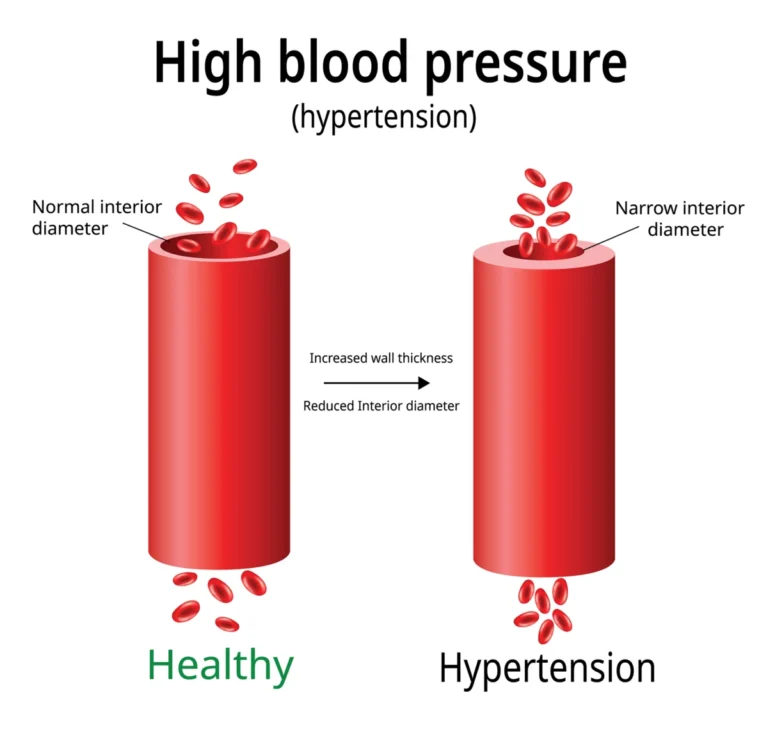
  1. Hypertension (high blood pressure)
  2. Coronary artery disease
  3. Heart failure
  4. Stroke

Metabolic Disorders

  1. Type 2 diabetes
  2. Insulin resistance
  3. Metabolic syndrome
  4. Dyslipidemia (abnormal cholesterol levels)

Respiratory Issues

  1. Sleep apnea
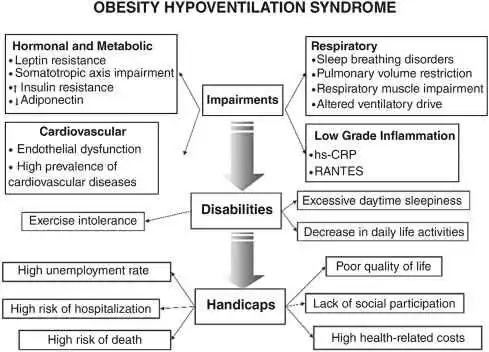
  2. Obesity hypoventilation syndrome
  3. Asthma

Musculoskeletal Problems

  1. Osteoarthritis (especially of weight-bearing joints)
  2. Low back pain
  3. Gout

Digestive and Hepatic Conditions

  1. Non-alcoholic fatty liver disease (NAFLD)
  2. Gallstones
  3. Gastroesophageal reflux disease (GERD)

Cancer

  1. Breast cancer (postmenopausal women)
  2. Colorectal cancer
  3. Endometrial cancer
  4. Kidney cancer
  5. Pancreatic cancer
  6. Liver cancer

Reproductive and Hormonal Issues

  1. Polycystic ovary syndrome (PCOS)
  2. Infertility
  3. Erectile dysfunction

Neurological Conditions

  1. Alzheimer’s disease
  2. Vascular dementia

Psychological and Social Issues

  1. Depression
  2. Anxiety
  3. Low self-esteem
  4. Social stigma

Others

  1. Chronic inflammation
  2. Immune dysfunction
  3. Venous insufficiency (varicose veins)

Addressing obesity through a combination of lifestyle changes, medical interventions, and professional guidance can significantly reduce the risk of these diseases.

  • Type 1 Diabetes

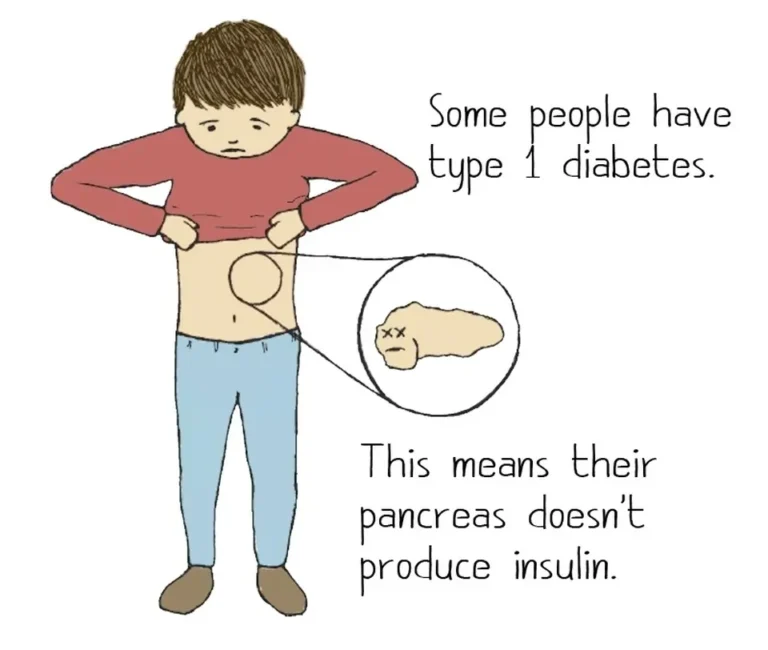
    What is Type 1 Diabetes? Type 1 diabetes, often referred to as juvenile diabetes or insulin-dependent diabetes, is a chronic autoimmune condition in which the pancreas produces little to no insulin. Insulin is a vital hormone responsible for regulating blood sugar levels, enabling the body to convert glucose into energy. Insulin is a vital hormone…

  • |

    Class One Obesity

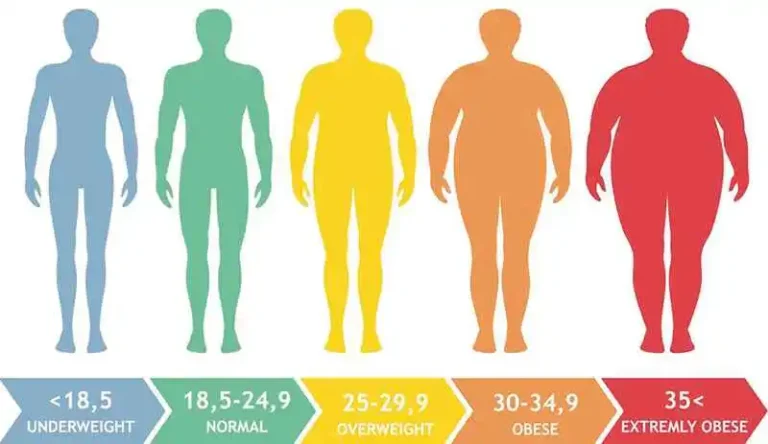
    Class One Obesity is defined as having a body mass index (BMI) between 30 and 34.9. It is the lowest tier of obesity in clinical classification but is still associated with significant health risks. Individuals in this category may face an increased likelihood of developing conditions such as type 2 diabetes, hypertension, cardiovascular diseases, and…

  • Type 2 Diabetes

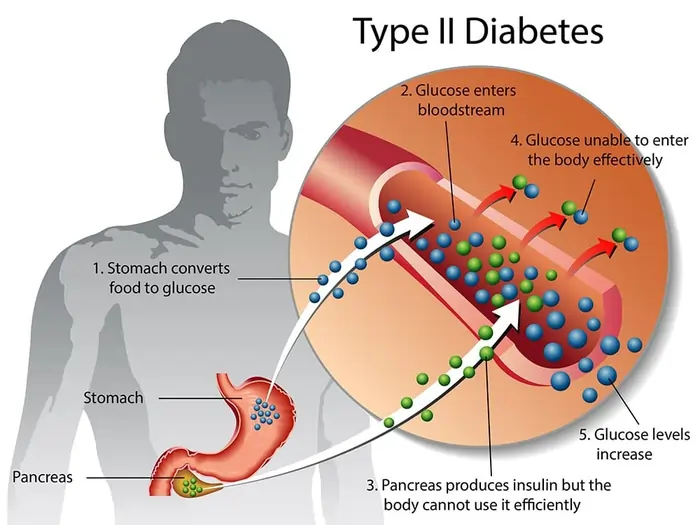
    What is Type 2 Diabetes? Type 2 diabetes is a chronic metabolic condition characterized by elevated blood sugar levels due to insulin resistance and impaired insulin production. Unlike Type 1 diabetes, which is an autoimmune condition, Type 2 diabetes is largely associated with lifestyle factors, though genetics also play a significant role. The disease develops…

  • |

    Obesity Vs Overweight

    Obesity and overweight are global health concerns characterized by excessive body fat that poses risks to an individual’s health and well-being. While the terms are often used interchangeably, they have distinct medical definitions based on Body Mass Index (BMI). Overweight refers to a BMI between 25 and 29.9, indicating an excess of body weight relative…