Obesity

  • |

    Class One Obesity

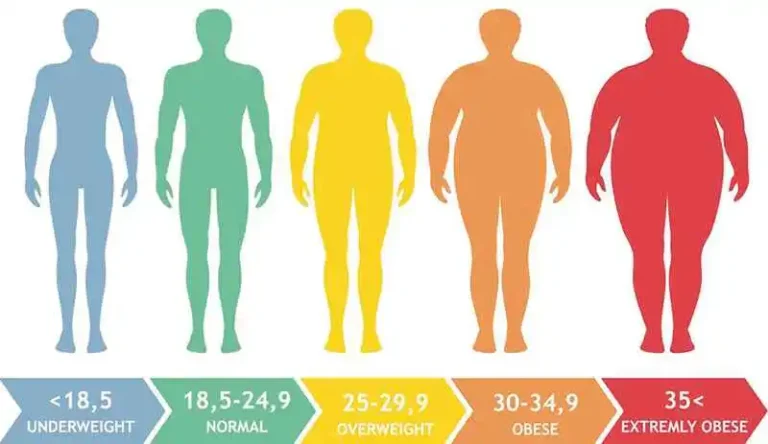
    Class One Obesity is defined as having a body mass index (BMI) between 30 and 34.9. It is the lowest tier of obesity in clinical classification but is still associated with significant health risks. Individuals in this category may face an increased likelihood of developing conditions such as type 2 diabetes, hypertension, cardiovascular diseases, and…

  • Visceral Fat

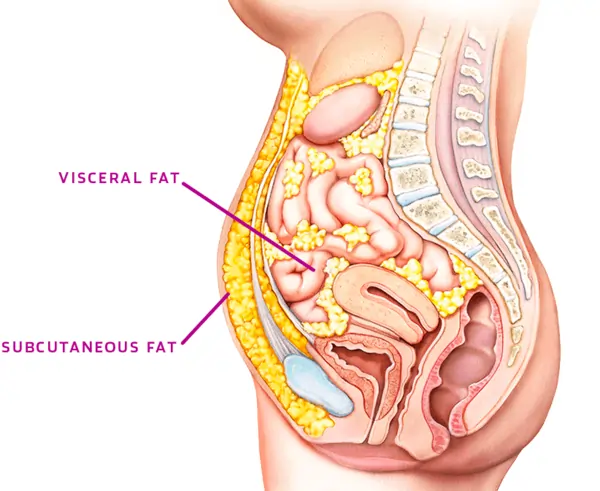
    What is a Visceral Fat? Visceral fat refers to the type of fat that is stored deep within the abdominal cavity, surrounding vital organs such as the liver, pancreas, and intestines. Unlike subcutaneous fat, which is located just beneath the skin, visceral fat can be harmful to health due to its proximity to important organs….

  • Obesity Rate in US (United States of America)

    Overview In the United States, obesity is widespread and a serious health concern that is linked to some illnesses, including a higher risk of heart disease, stroke, coronary artery disease, cardiovascular disease, and some forms of cancer. It also significantly raises early mortality and financial expenses. Statistics A person who is 20 years of age…

  • Obesity Classes

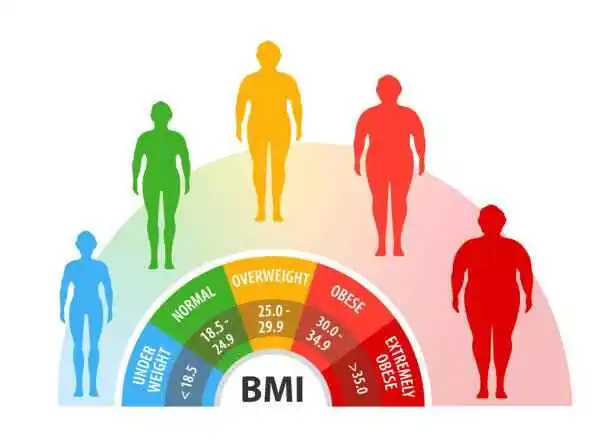
    Which Classes Are Obesity? Obesity classes are a system used to categorize individuals based on their Body Mass Index (BMI), helping to assess the severity of obesity and associated health risks. Obesity is generally defined as excessive body fat that can lead to various health problems, and these classes are used to guide treatment and…