DASH Diet
Introduction
DASH stands for Dietary Approaches to Stop Hypertension.
The DASH diet is a nutritious eating regimen intended to help prevent or treat hypertension, or high blood pressure. Additionally, it might help lower low-density lipoprotein (LDL) cholesterol, which is associated with heart disease.
Two important risk factors for heart disease and stroke are high blood pressure and high LDL cholesterol.
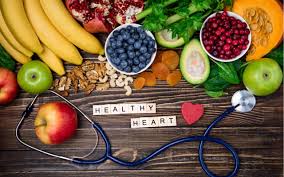
The DASH diet includes foods high in calcium, magnesium, and potassium. Whole grains, fruits, and vegetables are highlighted in the DASH diet. Fish, poultry, legumes, nuts, and low-fat or fat-free dairy products are all included.
Foods heavy in salt, often known as sodium, are restricted in the diet. Additionally, it restricts saturated fat and added sugar, which can be found in full-fat dairy products and fatty meats.
What is the DASH Diet?
In order to treat high blood pressure, doctors occasionally recommend the DASH (Dietary Approaches to Stop Hypertension) diet. The force that blood applies to artery walls is known as blood pressure. It will often fluctuate during the day, but if it stays too high, it is referred to as hypertension or high blood pressure. Heart disease, stroke, congestive heart failure, kidney disease, and blindness can all result from untreated hypertension.
In order to assess the impact of dietary patterns on decreasing blood pressure, 456 participants were randomly assigned to various diets in the DASH study. The authors hypothesized that consuming a variety of foods high in blood pressure-lowering elements would have a bigger impact on blood pressure than consuming individual nutrients, as those found in supplements or a restricted diet.
Three diets were tested: 1) a control diet; 2) a fruits and vegetables diet that was similar to the control diet but included more fruits and vegetables and fewer snacks and sweets; and 3) a combination diet with reduced levels of cholesterol, total fat, and saturated fat that was rich in fruits, vegetables, nuts, and low-fat dairy products. Nutrients like potassium, magnesium, calcium, fiber, and protein that are linked to reducing blood pressure were more prevalent in the latter two diets. About 3000 mg of salt were included in each of the three diets, which is less than the average sodium intake for Americans but higher than what the Dietary Guidelines for Americans recommend.
The combination diet lowered blood pressure more than the other two diets, even though there was no change in weight. The blood pressure of those with hypertension dropped more than that of those without. People on medication for stage 1 hypertension experienced a similar drop in blood pressure as those following the DASH combination diet.
How It Works
Fruits, vegetables, whole grains, low-fat milk, fish, poultry, legumes, and nuts are the foods that make up DASH. Reducing red meat, sodium, and foods and drinks with added sugar is advised. The diet is heart-healthy because it consumes less trans and saturated fat and more potassium, magnesium, calcium, protein, and fiber—nutrients that are thought to help regulate blood pressure.
The diet recommends a certain quantity of the above-mentioned items. This corresponds to roughly 6–8 servings of grains or grain products (whole grains are recommended), 4-5 servings of vegetables, 4-5 servings of fruits, 2-3 servings of low-fat dairy products, 2 or fewer 3-ounce servings of meat, poultry, or fish, 2-3 servings of fats and oils, and 4-5 servings of nuts, seeds, or dry beans per week. It suggests consuming no more than five servings of sweets and added sugars per week. The serving sizes for each of these food groups are specified in the plan.
The heart may also benefit from eating more protein or unsaturated fats, but fewer carbohydrates. According to a study, adults with early or stage 1 hypertension had lower blood pressure, LDL cholesterol, and triglycerides when approximately 10% of calories from carbohydrates were replaced with protein (particularly plant proteins like legumes, nuts, and seeds) or monounsaturated fats (olive oil, canola oil, nuts, and seeds).
Increasing “good” HDL cholesterol also involved substituting unsaturated fats for carbs. The effect came from exchanging an equal number of calories so that the overall calorie intake remained roughly the same, rather than just eating additional protein and fats. For 2000 calories per day, this means consuming roughly four to five servings of whole grains, five servings of vegetables, two to three servings of fruits, two low-fat dairy products, one 3-ounce portion of fish, chicken, or meat, two to three servings of unsaturated fats, and seven to eight servings of beans, nuts, or seeds per week.
DASH diet and sodium
The daily limit for salt in the conventional DASH diet is 2,300 mg. That is comparable to the sodium content of one teaspoon of table salt.
A DASH version with reduced sodium limits sodium intake to 1,500 mg per day. The variant of the diet that best suits your needs can be selected. Consult your healthcare physician if you’re unsure of your ideal sodium intake.
DASH diet: What to eat
A balanced eating plan that offers options is the DASH diet. The diet aids in developing a lifelong heart-healthy eating habit. No particular foods or beverages are required.
When adhering to DASH, it’s crucial to select foods that are
- high in protein, fiber, calcium, magnesium, and potassium.
- saturated fat-free.
- salt-free.
DASH diet: Suggested servings
The DASH diet offers weekly and daily nutritional objectives. The quantity of servings is determined by daily caloric requirements.
The suggested servings from each food group for a 2,000-calorie-per-day DASH diet are as follows:
Grains: 6 to 8 servings a day: One slice of bread, half a cup of cooked cereal, rice, or pasta, or one ounce of dry cereal can all be considered a serving.
Vegetables: 4 to 5 servings a day: One serving consists of 1/2 cup chopped raw or cooked vegetables, 1 cup raw leafy green vegetables, or 1/2 cup vegetable juice.
Fruits: 4 to 5 servings a day: One medium fruit, half a cup of fresh, frozen, or canned fruit, or half a cup of fruit juice constitutes one serving.
Fat-free or low-fat dairy products: 2 to 3 servings a day: One serving is one and a half ounces of cheese or one cup of milk or yogurt.
Lean meats, poultry, and fish: six 1-ounce servings or fewer a day: One ounce of cooked fish, poultry, or pork, or one egg, is considered a serving.
Nuts, seeds, or dry beans and peas: 4 to 5 servings a week: A serving consists of 1/3 cup nuts, 2 tablespoons peanut butter, 2 tablespoons seeds, or 1/2 cup cooked legumes.
Fats and oils: 2 to 3 servings a day: One teaspoon of soft margarine, one teaspoon of vegetable oil, one tablespoon of mayonnaise, or two teaspoons of salad dressing make up one serving.
Sweets and added sugars: 5 servings or fewer a week: One spoonful of sugar, jelly, or jam, half a cup of sorbet, or one cup of lemonade makes one serving.
Day 1 menu
Breakfast
- 1 cup of oatmeal without salt.
- 1/4 cup raisins.
- 1 medium banana.
- 1 cup fat-free milk.
- Coffee, tea, or water.
Lunch
- Hummus plate with:
- 1/2 cup hummus.
- 1/2 medium red pepper.
- 1/2 medium cucumber.
- 10 baby carrots.
- 3 falafel patties (about 2 inches in diameter).
- 1 whole-grain pita pocket.
- Water
Dinner
- Roasted salmon with:
- 4 ounces of salmon.
- Maple balsamic glaze.
- 1 cup whole-grain and wild rice blend.
- 3/4 cup green beans with red bell peppers.
- 1/2 cup canned pear slices in juice.
- Tea, hot or cold, and not sweetened.
Snack (anytime)
- 1 cup low-fat yogurt.
- 1 medium peach.
Day 2 menu
Breakfast
- One cup of mixed fruit, like grapes and melon.
- 1/2 whole-wheat bagel.
- 1 tablespoon natural peanut butter.
- 1 cup skim milk.
- Coffee, tea, or water.
Lunch
- Spinach salad with:
- 3 cups fresh spinach leaves.
- 1 sliced pear.
- 1/2 cup canned mandarin oranges.
- 1 tablespoon red wine vinegar.
- 1 tablespoon olive oil.
- 1 ounce of goat cheese.
- 3 ounces of cooked chicken.
- 1 small whole-wheat roll.
- Water.
Dinner
- Vegetarian pasta with:
- 1/2 cup marinara sauce.
- 1 cup chopped summer squash.
- 1/2 cup frozen chopped spinach.
- 1 1/2 cups whole-wheat pasta.
- 1 cup of melon.
- 1 cup skim milk.
Snack (anytime)
1/4 cup trail mix, not salted.
Day 3 menu
Breakfast
- Avocado toast with:
- 1 medium avocado.
- 1/4 cup sundried tomatoes.
- 1 poached egg.
- 1 slice whole-wheat toast.
- 1 medium orange.
- Coffee, tea, or water.
Lunch
- Tuna salad on crackers with:
- 3 ounces low-sodium canned tuna.
- 1/4 cup diced onion.
- 1/4 cup chopped bell pepper (orange, yellow, or red).
- 1/4 cup diced celery.
- 1 tablespoon low-fat mayonnaise.
- 8 Melba toast crackers.
- 1 apple.
- 1/2 cup skim milk.
Dinner
- Vegetable stir-fry with:
- 1/2 teaspoon sesame oil.
- 1/2 cup sliced onion, sliced.
- 1/2 cup chopped red bell pepper.
- 1/2 cup sliced button mushrooms.
- 1/2 cup broccoli florets.
- 1/2 cup sliced carrots.
- 1/2 teaspoon chopped fresh ginger.
- 1/2 teaspoon chopped fresh garlic.
- 1/2 tablespoon mirin rice wine.
- 1/2 teaspoon reduced-sodium soy sauce.
- 1/2 tablespoon chopped cashews.
- 1 cup brown rice.
- Yogurt, low-fat and low-added sugar.
- Water.
Snack (anytime)
- 1 peach.
- 1/4 cup almonds.
DASH diet: Alcohol and caffeine
Excessive alcohol consumption might raise blood pressure. Men should consume no more than two drinks of alcohol per day, while women should have no more than one, according to the Dietary Guidelines.
Caffeine is not discussed in the DASH diet. It’s unclear how caffeine impacts blood pressure. Caffeine can, however, temporarily increase blood pressure.
If you have high blood pressure or think it affects your blood pressure, cut back on your caffeine intake. You may discuss caffeine with your healthcare physician.
Health Benefits
- Reduce hypertension
- decrease the risk of heart failure, heart disease, and stroke.
- aid in controlling or preventing type 2 diabetes
- Boost cholesterol levels
- Minimize the risk of kidney stones
FAQs
What is the DASH diet?
Dietary Approaches to Stop Hypertension, or DASH, is a flexible and balanced eating plan that encourages a heart-healthy diet for the rest of one’s life. The DASH diet plan provides daily and weekly dietary goals rather than concentrating on specific foods. Consuming fruits, vegetables, and whole grains is recommended by this diet.
Which five items make up the DASH diet?
The DASH diet’s primary ingredients include fruits, vegetables, and whole grains. Fish, poultry, nuts, lentils, and low-fat or fat-free dairy products are among its constituents. Foods heavy in sodium or salt are restricted in the diet. It also limits added sugar and saturated fat, which are present in fatty meats and full-fat dairy products.
What is a DASH healthy breakfast?
One cup of mixed fruit contains grapes and melon.
Half a whole-wheat bagel.
One tablespoon of natural peanut butter.
One cup of skim milk.
Water, tea, or coffee.
How do I lower my blood pressure as soon as I wake up?
Reduce your intake of coffee. Your blood pressure may rise to dangerously high levels if you drink multiple cups of coffee in the morning.
Have a Well-Rounded Breakfast.
Ignore Sugar.
Regularly work out.
In the morning, meditate.
How long does it take for the DASH diet to show results?
Within two weeks of beginning the strategy, the DASH diet had the biggest impact on blood pressure. Low-density lipoprotein (LDL), also known as “bad cholesterol,” and total cholesterol both decreased along with blood pressure.
What are the vegetables to reduce blood pressure?
Important vitamins, minerals, and plant compounds can be found in fruits and vegetables. Fiber is also present in them. There are numerous varieties of fruits and vegetables, as well as numerous methods for preparing, cooking, and serving them. Consuming a lot of vegetables can reduce your risk of heart disease, diabetes, and cancer.
References:
- Understanding the DASH diet: MedlinePlus Medical Encyclopedia. (n.d.). https://medlineplus.gov/ency/patientinstructions/000784.htm
- Powell, J. (2025, September 5). Diet Review: DASH • The Nutrition Source. The Nutrition Source – Harvard Chan School. https://nutritionsource.hsph.harvard.edu/healthy-weight/diet-reviews/dash-diet/
- (2026, 27th, March). https://www.mayoclinic.org/healthy-lifestyle/nutrition-and-healthy-eating/in-depth/dash-diet/art-20048456
- (2026, 27th, March). https://www.mayoclinic.org/healthy-lifestyle/nutrition-and-healthy-eating/in-depth/dash-diet/art-20047110