
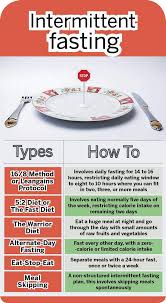
Intermittent Fasting: Different Protocols, How to Choose One
What is Intermittent Fasting?
Periods of eating and fasting, or intermittent fasting, are becoming increasingly common. Additionally, new data suggests that it may be more than just a fad, as it may help with blood pressure, weight control, and other issues.
Intermittent fasting is defined as alternating between eating and fasting. This kind of eating is frequently referred to as “patterns,” “cycles,” or “schedules” of fasting.
The goal of intermittent fasting is to drastically reduce your calorie intake for brief periods rather than starving yourself or dieting (FYI: You can drink water and other beverages, such as black coffee and tea, during fasting periods).
Fasting helps control your eating patterns and limit the amount of insulin your body produces, which may help lessen cravings, especially for snack items. When it comes to intermittent fasting, you want to avoid needless danger and retain appropriate nutrients in your overall diet. There is never a one-size-fits-all strategy for losing weight. Intermittent fasting might be viable for some folks, but it’s just not a good fit for others.
Methods of intermittent fasting
Two days a week of fasting
For five days, those who follow the 5:2 diet consume standard amounts of nutritious food, and on the other two days, they consume fewer calories.
Men typically consume 600 calories over the two days of fasting, while women typically consume 500 calories.
People usually divide their days of fasting throughout the week. For instance, they might eat normally on other days and fast on Mondays and Thursdays. Between fasting days, there should be a minimum of one nonfasting day.
The 5:2 diet, sometimes referred to as the Fast diet.
A 24-hour fast every week
The Eat-Stop-Eat regimen, which entails fasting entirely for one or two days per week, entails going without food for a full day at a time. A lot of folks fast from lunch to lunch or from breakfast to breakfast.
Water, tea, and other calorie-free beverages can be consumed by those who follow this diet plan when they are fasting. On days when they are not fasting, people should resume their usual eating habits. Eating in this manner lowers a person’s overall caloric consumption without restricting the particular things they eat.
Fatigue, headaches, and irritability are some side effects of a 24-hour fast. As their bodies adapt to this new eating pattern, many people find that these effects gradually lessen.
Before switching to a 24-hour fast, many might find it helpful to try a 12- or 16-hour fast.
The Diet of Warriors
An extremely strict type of intermittent fasting is the Warrior Diet.
It concludes eating a single, substantial meal at night after a 20-hour fasting gap during which you typically only eat a few portions of raw fruit and vegetables. The dining window is often limited to four hours.
Those who have already experimented with various types of intermittent fasting may find this type of fasting to be the most effective.
The Warrior Diet’s adherents declare that since people are naturally nocturnal eaters, eating at night enables the body to absorb nutrients in accordance with its circadian cycles.
People should make sure they eat a lot of veggies, proteins, and healthy fats during the 4-hour eating session. They ought to contain some carbohydrates as well. While some meals can be consumed throughout the fasting period, long-term adherence to stringent rules regarding what and when to eat can be difficult. Eating such a heavy supper so close to bedtime may also be problematic for some people.
Additionally, there’s a chance that those following this diet won’t get enough fiber and other nutrients. This may worsen immunological and intestinal health and raise the risk of cancer.
16:8 Protocol for Intermittent Fasting
Time-restricted fasting, often known as 16:8 fasting, began to become popular among those looking to shed additional pounds. It is now thought that this kind of time-restricted fasting technique can improve longevity and regulate blood sugar levels.
While fasting at 16:8:
- During the eight-hour window, consume low-fat and low-calorie foods.
- For the next sixteen hours, fast
- 16 hours for men and 14 hours for women
- You should include as many nutrient-dense items as you can in your meal to optimize the benefits and energy intake during your dining hours. Your healthy plate should include fruits, vegetables, whole grains, and protein sources, including meat, fish, eggs, and lentils.
- You can create your own plan for 16 hours of fasting and 8 hours of eating based on your sleep-wake cycle. Eating from 9 a.m. to 5 p.m. and fasting the remainder of the day is one of the most common schedules.
- You can begin your fasting period from noon (12 p.m.) till 8 p.m. if you would rather forgo breakfast. In this manner, you fast through the night and give your body time to recover from eating during the first part of the following day.
- However, this timing may result in greater sleep latency or disturbed sleep patterns while your body is still processing the food. In that scenario, it is recommended to apply the one-hour rule, which calls for delaying each meal by one hour.
- Blood sugar control, enhanced insulin sensitivity, and increased cognitive function are all advantages of 16:8 or time-restricted fasting protocols. Furthermore, researchers were able to determine how IF affects longevity.
5:2 Protocol for Intermittent Fasting
The fact that intermittent fasting (IF) does not limit the consumption of any kind of food is one of its benefits. Rather, IF limits the amount of time you can eat everything you want as long as it’s healthy.
For successful weight loss, the majority of celebrities follow the 5:2 fasting schedule. This is one of the most popular methods of intermittent fasting and one of the easiest strategies to adhere to and reduce weight.
The 5:2 fasting schedule concludes:
- Five days of regular eating, two days of fasting while ingesting foods with 600 calories for men and 500 calories for women,
- It is crucial to give yourself at least one day in between these two days of fasting.
- People who follow this two-day fasting method, for instance, might fast on Mondays and Thursdays and eat normally the other five days. This kind of fasting regimen is appropriate for novices who want to improve their longevity and reduce weight but are uncomfortable going without food all day.
Protocol for Eat-Stop-Eat Fasting
The Eat-Stop-Eat fasting method’s name speaks for itself. This particular intermittent fasting regimen involves fasting one or two days per week that are not sequential.
Brad Pilon, a fasting expert, is the creator of this fasting regimen and the author of the book “Eat-Stop-Eat.” Conventional dieting is bound to fail and lead to potential health problems. While the Eat-Stop-Eat fasting method helps people detach their body and mind from food during the days when they are not eating, it does not feel nearly like a diet. People also lose weight as a beneficial side effect.
The steps to include the Eat-Stop-Eat fasting strategy in your diet are as follows:
Select one or two non-sequential days to fast during the week.
On the remaining days of the week, eat whatever is healthful and what your body requires.
If you only have one meal during the days you are fasting, you can become confused. The fasting day may not begin in the morning but rather take place over the course of two days. Let’s clarify this.
For instance, you have to have your first meal on Tuesday immediately after your fast ends at 8 p.m. if you had your final meal on Monday at 8 p.m. before beginning your fast. In this manner, you fast for precisely 24 hours but eat one meal both before and after the fasting window begins.
You should refrain from all meals, including snacks and high-calorie drinks, during the whole 24-hour fast. However, maintaining proper hydration is crucial for supplying your body with oxygen and promoting improved digestion. You are allowed to consume unadulterated tea, flat black coffee, and water.
Some people report losing weight while limiting the number of calories they consume on eating days, despite the fact that there is no documented study on the Eat-Stop-Eat fasting regimen. The body goes into a new metabolic state called ketosis during the fasting days. Better energy production and fat utilization may result from this metabolic change.
Fasting on alternate days
Every other day, this variation entails “modified” fasting. On fasting days, for example, restrict your caloric intake to 500 calories, or roughly 25% of your daily intake. Resume your normal, healthful diet on days when you are not fasting. There are additional rigorous variants of this strategy, such as consuming 0 calories on alternate days rather than 500.
Interestingly, one study found that after six months of intermittent fasting, participants’ LDL (or “bad”) cholesterol levels were noticeably higher after another six months off the diet.
This type of fasting is not advised since it might result in nutrient deficits, is extremely restrictive, and cannot be sustained over an extended period of time. By lowering your metabolism and putting your body in “starvation mode,” persistently not consuming enough calories might impede weight reduction.
The effects of intermittent fasting on your hormones and cells
Your body goes through several cellular and molecular changes when you fast.
First, insulin levels fall, and human growth hormone (HGH) levels rise. Additionally, the cells in your body alter gene expression and start crucial cellular repair processes.
When you fast, your body goes through the following changes:
- HGH: Your HGH levels rise. Both muscle growth and fat loss may benefit from this.
- Insulin: Fasting increases insulin sensitivity and lowers insulin levels. Body fat that has been stored becomes more accessible when insulin levels are lower.
- Cellular repair: Your cells start cellular repair activities while you fast. This includes autophagy, which is the process by which cells break down and eliminate outdated and malfunctioning proteins that accumulate within them.
- Gene expression: Genes linked to longevity and illness prevention may act differently after fasting.
How to begin intermittent fasting
Likely, you’ve already seen numerous intermittent fasts.
You have already fasted for more than 16 hours if you have ever eaten dinner, slept late, and then skipped meals until midday the following day. Some folks don’t feel hungry in the morning, so they eat this way spontaneously.
You could wish to start with the 16/8 technique, which is widely regarded as the most straightforward and durable type of IF. Perhaps try progressing to more sophisticated fasting techniques if you find it simple and feel good during the fast. Another strategy is to fast whenever it’s practical. Occasionally, skip meals if you’re not hungry or don’t have time to prepare them.
It is possible to achieve at least part of the advantages without following a predetermined IF regimen. Try out the various strategies until you find one that works for you and your schedule.
Health benefits of intermittent fasting
IF may help with general health and weight control. But bear in mind that a large portion of the current research consists of brief, small-scale studies.
The following are the primary advantages of intermittent fasting for health:
- Weight loss: Without intentionally limiting calories, IF can assist you in losing weight and body fat.
- Insulin resistance: When your body doesn’t react to insulin as it should, your blood sugar levels rise. Insulin resistance can be decreased by IF. You can prevent type 2 diabetes by controlling your blood sugar.
- Inflammation: decreases in inflammatory markers, a major cause of numerous chronic illnesses.
- Brain health: Fasting may promote the development of new nerve cells by raising the brain hormone BDNF.
- Lowers triglycerides in the blood
- reduces appetite
- raises blood sugar levels
- lowers blood pressure
- enhances intestinal health
- strengthens the immune system
- increases focus
- enhances the quality of sleep
- reduces the appearance of aging
It has been demonstrated that intermittent fasting improves many health issues, including high blood pressure, high cholesterol, and IBS, as well as lowering insulin, hunger, and inflammation.
Safety considerations and adverse effects of intermittent fasting
The primary adverse consequence of intermittent fasting is hunger. Additionally, your brain might not function as well as it usually does, and you might feel weak. Your body may need some time to adjust to the new eating plan, so this might only be temporary.
Before attempting IF, you should consult your physician if you have a medical issue.
This is especially crucial if you:
possess diabetes, struggle to control their blood sugar, have low blood pressure, take medication, are underweight, have a history of eating disorders, are attempting to conceive, have a history of amenorrhea, or are pregnant or nursing.
Risks associated with intermittent fasting
For certain individuals, intermittent fasting is unsafe, such as:
- Those who are nursing or pregnant
- Undernourished individuals
- Individuals who have low blood sugar
- Individuals suffering from specific chronic illnesses
- Kids
- Additionally, since fasting might affect your hormones, you should exercise caution if you’re going through perimenopause.
You shouldn’t try any kind of fasting diet without medical supervision if you have a history of eating disorders or are currently receiving treatment for one. Due to this restriction, it has also been indicated that intermittent fasting accelerated the probability of binge eating or orthorexia in some people.
There are some unpleasant side effects that you should be aware of if you want to try intermittent fasting. Irritability, low energy, chronic hunger, sensitivity to cold, and subpar performance at work and in other activities can all be linked to it.
Advice for beginning intermittent fasting
There is a lot of encouraging information about intermittent fasting. You might want to give it a try.
If you’re new to intermittent fasting, the following guidance provides:
- Establish a routine: On the days you decide to fast, maintain a comparable window for eating and fasting.
- Keep an eye on what you drink: You must abstain from all calorie-containing foods and beverages to maintain a fast. Black coffee, carbonated water, water, and unsweetened tea are all permitted during a fast.
- Avoid or limit artificial sweeteners: Saccharin, aspartame, and sucralose are examples of artificial sweeteners that may cause you to break your fast.
- Think about electrolytes: Select electrolyte-enriched water, drinks, powders, or tablets. Some of the detrimental consequences of fasting, such as dizziness, exhaustion, and lowered blood pressure, can be lessened with the help of electrolytes.
- Make whole, unprocessed foods a priority.
- Lean Proteins: To preserve muscle mass and keep you feeling full, eat foods like chicken, fish, eggs, lentils, and tofu.
- Healthy Fats: For long-lasting energy and vital fatty acids, include avocados, nuts, seeds, and olive oil.
- Complex Carbohydrates: For fiber, vitamins, and minerals, choose whole grains (oats, brown rice, quinoa), fruits, and vegetables.
- Lots of Fruits and Vegetables: These are full of antioxidants, vitamins, and minerals that are essential for general health and fullness.
- Eat Intentionally: Be aware of your hunger and fullness signals.
Is It Possible to Treat Intermittent Fasting?
It’s critical to define “intermittent fasting treatment.” Even while intermittent fasting has many health advantages, it is typically seen as a dietary strategy or lifestyle change rather than a direct medical treatment for a particular illness. However, when administered under medical supervision, it can be a potent supplemental tactic.
Supportive Role: IF can be a useful technique to help with weight loss and improve metabolic markers for diseases like obesity, type 2 diabetes, or metabolic syndrome. When paired with the right medical care, IF can help people with type 2 diabetes improve their blood glucose levels by up to 3-6% in just 12 weeks.
Not a Cure: It’s important to realize that IF does not replace traditional medical therapies or drugs. It should be viewed as an accessory that enhances general health and promotes your body’s natural healing processes, increasing the effectiveness of recommended intermittent fasting treatment regimens for long-term illnesses.
Personalized Advice: Always consult your physician or a nutritionist if you are considering intermittent fasting as a treatment strategy for a medical issue. They can evaluate your unique health profile and provide you with advice on how to safely and successfully combine IF with your continuing medical care.
Who Should Avoid Intermittent Fasting or Use Caution?
Although many healthy adults find intermittent fasting to be harmless, it is not appropriate for everyone. Some people should be extremely cautious or stay away from IF completely:
- Ladies who are nursing or pregnant.
- Those who have experienced eating disorders in the past (such as anorexia or bulimia).
kids and teenagers. - Individuals with specific medical issues, particularly those taking drugs that necessitate eating, such as:
- those who are susceptible to hypoglycemia or have diabetes, particularly type 1.
- people with serious cardiac problems.
- those with long-term renal illness.
- Anyone who takes prescription drugs, especially those that must be taken with food.
Before beginning an intermittent fast, always consult your healthcare practitioner, particularly if you fit into any of these categories.
Can weight loss be aided by intermittent fasting?
The most popular motivation for trying IF is weight loss. You’ll probably eat fewer calories without even realizing it if you limit how long you can eat.
Intermittent fasting can also influence hormone levels and help with weight loss.
Intermittent fasting promotes the production of the fat-burning hormone norepinephrine (noradrenaline) and lowers insulin and HGH levels. Short-term fasting may momentarily raise your metabolic rate due to these changes.
When used safely, intermittent fasting can be a very effective technique for weight loss. Individuals who were overweight or obese had weight loss rates that ranged from 0.8% to 13% of their initial weights.
Remember that intermittent fasting mostly aids in weight loss by making it simpler to consume fewer calories overall. You could not lose any weight at all if you eat a lot at your mealtimes.
How Can you Manage your Hunger While Fasting?
Those who are just beginning this time-restricted diet, however, could experience intense hunger during the fasting hours. When your blood glucose levels are low, your body falsely communicates that you are hungry. However, after a few weeks of fasting, you might stop feeling hungry or think your fasting is ineffective.
Naturally, though, you might be tempted to indulge in high-calorie, high-sugar snacks or drinks during the initial weeks. You will break your fast right away if you do this.
Fortunately, seasoned fasters have some second-to-none strategies for eliminating hunger.
- Hunger can be effectively eliminated by drinking water. Lemon, oranges, and mint can enhance the flavor of your water. Drinking water is a lifeline during fasting for various reasons. You can drink water on an empty stomach when you wake up in the morning. In addition to making the initial hours of IF easier for you, this will supply your body with vital nutrients and oxygen. Additionally, drinking water will aid in digestion, making it simpler to convert the food you eat following the fast into energy.
- If you adhere to certain drinking guidelines, coffee won’t break your fast. Drink a flat black coffee without sugar, milk, or honey to sustain your fast.
- Alternatively, you might flavor your coffee with a little Himalayan salt, nutmeg, cinnamon, or chocolate powder.
- Have a cup of tea. However, additives such as sugar, honey, cow’s milk, or plant-based, vegan milk will break your fast. You can add these ingredients while the fasting window is closed, but you should brew your tea bags or leaves without any mix-ins during your fasting periods.
- You will, however, eventually grow accustomed to not eating and cease to feel hungry. Remember that hunger and fasting are practical ways to activate the body’s defenses.
Which fasting schedule works best for you?
Fasting and meal skipping of any kind are beneficial for organismal, cognitive, and physical function. Your brain can focus on your everyday chores more effectively and quickly since it is not focused on breaking down the meal you ate.
Avoid eating breakfast or snacks in the morning if you are a morning person and want to complete your tasks in the first quarter of the day. You might consider giving up the final evening meals, snacks, and coffee if you are having problems falling asleep at night. You will promote improved cognitive function in this way.
If you wish to establish a healthy lifestyle with intermittent fasting, you might want to see your doctor if you have any health issues. Additionally, when you follow different fasting regimens, your body may give you signals that encourage you to attempt a different strategy that works better for you.
You can enhance these effects with vitamins, regardless of whether you fast to lose weight or to encourage healthy aging. particularly NAD+ supplements, which are intended to help you achieve your goals of increasing energy, reducing biological aging, and decreasing weight.
Conclusion
Finally, before beginning intermittent fasting, you should speak with a healthcare professional. If any of these options for intermittent fasting are suitable for you, they can provide the appropriate advice.
Remember that your prescription schedule can change if you decide to try fasting. Before you alter the times you take your prescriptions, consult your healthcare professional.
Fasting can be a great way to improve your health, but if done incorrectly, it can lead to negative health outcomes. Avoid unsustainable extreme kinds of fasting. Select a strategy that will allow you to meet your nutritional needs, feel good about yourself, and stay with it.
FAQs
Can you have liquids when fasting?
Absolutely. Tea, coffee, water, and other calorie-free drinks are acceptable. Because coffee suppresses appetite, it can be especially helpful during a fast.
Is skipping breakfast unhealthy?
No, you won’t get sick if you skip breakfast. The practice is completely healthful if you make sure to consume a balanced diet for the remainder of the day.
Can you take supplements when you are fasting?
Of course. But be mindful in mind that some supplements, such as fat-soluble vitamins, could function better when taken with meals that contain fat. When taken without food, a lot of supplements might potentially disturb your stomach.
Is it possible to exercise when fasting?
Exercising while fasting is acceptable. Take it slow and pay attention to your body because you might feel a little weaker and more exhausted than normal.
Will muscle loss result from fasting?
Muscle loss can result from any weight loss strategy. Make an effort to consume a lot of protein and perform strengthening activities, such as lifting weights.
Is it safe for everyone to fast intermittently?
Exercising while fasting is acceptable. Take it slow and pay attention to your body because you might feel a little weaker and more exhausted than normal.
What is the duration required for intermittent fasting to provide results?
Individual factors such as starting weight, metabolism, and adherence to the intermittent fasting diet guidelines affect the results. While major weight reduction or metabolic improvements may take several months, some people experience changes in energy and weight within a few weeks. The secret is to be consistent.
What happens if you feel sick or dizzy during fasting?
It’s critical to break your fast right away if you have severe symptoms like nausea, intense exhaustion, or persistent dizziness. Pay attention to your body, make sure you’re getting enough water, and decide if IF is the best course of action for you. See your physician if your symptoms don’t improve.
Is it possible to work out when fasting intermittently?
In reality, a lot of people practice IF while working out. It’s usually acceptable for moderate exercise. On the other hand, you could find it helpful to plan your strenuous workouts during your eating window or make sure you have enough energy both before and after. Observe your body and modify as needed.
Will your metabolism be slowed down by intermittent fasting?
Short-term fasting (less than 48 hours) has been demonstrated to increase metabolism by raising norepinephrine, despite widespread perception. A metabolic slowdown is usually linked to extreme, long-term calorie restriction rather than IF. IF can help maintain a healthy metabolism when used properly.
References
- BSc, K. G. (2024, May 3). The Ultimate Beginner’s Guide to Intermittent Fasting: Methods, benefits, and safety considerations. Healthline. https://www.healthline.com/nutrition/intermittent-fasting-guide
- Clinic, C. (2026, January 26). What is intermittent fasting? Cleveland Clinic. https://health.clevelandclinic.org/intermittent-fasting-4-different-types-explained
- Bharathi, N. R., & Bharathi, N. R. (2026b, February 25). Transform your health: Intermittent fasting benefits & safe schedules for up to 8% weight loss. Manipal Hospitals. https://www.manipalhospitals.com/sarjapurroad/blog/intermittent-fasting-guide/
- Leonard, J. (2024, November 1). 6 ways to do intermittent fasting. https://www.medicalnewstoday.com/articles/322293
- Mett, J. (2025, July 15). 4 different fasting protocols and which is best for you. Hello100. https://hello100.com/blogs/nutrition/fasting-protocol?srsltid=AfmBOoquY75uGvX30qctLEKwVuq3JfT6nJB9G9-QRnr-jGUnzhzOCmGq


One Comment