
Role of Mobility Training in Long-Term Weight Loss
Introduction
Mobility training plays an important role in achieving and maintaining long-term weight loss. It focuses on improving joint flexibility, range of motion, and overall movement efficiency.
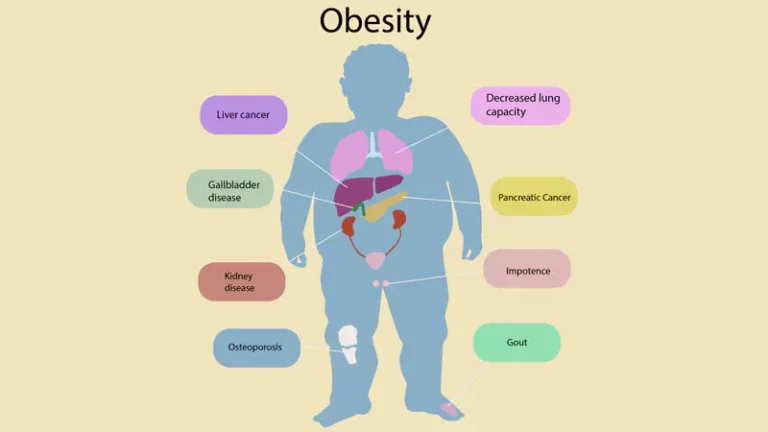
Losing weight can increase mobility by relieving pressure on the knees and joints. According to a big 2012 study of obese persons with type 2 diabetes, mobility impairments, such as trouble walking or climbing stairs, were reduced by more than 7% with just a 1% decrease in weight.
The word “mobility” is probably familiar to you if you have ever been in a gym setting. But what does that signify? It is the body’s capacity to move a joint freely throughout a range of motion, according to a dictionary. Although it is a terrific way to express it, we prefer to discuss it in terms of having the right stability and flexibility to move a joint over a range of motion. You might not be reducing fat as much as you believed if you are exercising but lack adequate mobility.
Let’s first examine how we achieve mobility before moving on to weight loss. It is done through appropriate programming that has been created to assist a particular individual with certain movement problems. Does that mean that a program consists only of corrective and stretching exercises? Definitely not.
Soft tissue work, foam rolling, or any other massage-like exercise that comes to mind are our first line of defense against immobility. However, that’s not all. Strength, or stability, is crucial for maintaining joint mobility. It may sound paradoxical, but a muscle can be made more malleable by both stretching it and stimulating it with a simple, unloaded movement.
These might include corrective exercises that are intended to use stability and flexibility to get a joint ready for additional manipulation. In either case, by combining the two, we are increasing awareness and blood flow to the region.
You’ve probably improved mobility in a joint when stability and flexibility start to operate together.
What Is Mobility Training?
Mobility is the capacity to actively and powerfully move a joint across its entire range of motion.
In contrast to passive flexibility, which involves stretching a muscle with outside assistance, mobility is about taking control of movement.
When you’re mobile, you can:
- Deeply squat without making up for it.
- Reach up without bending your back.
- Rotate and twist painlessly.
- In any direction, move dynamically.
The strength, stability, and coordination required to manage your body through a variety of motions are developed through mobility training.
Why Mobility Training Matters for Every Fitness Goal
Mobility training is crucial if you want to increase your strength, run quicker, lift more weight, or simply move painlessly.
Strength Gains from Mobility
If your joints are restricted, you won’t be able to reach your maximum strength.
As an example:
- Squat depth and stability are decreased by restricted ankle movement.
- Safe overhead pressing is restricted by poor shoulder mobility.
- By increasing your range of motion, you can train through more muscle fibers and develop more strength.
Mobility Reduces Injury Risk
Your body must compensate elsewhere if your joints are restricted. Joint pain, imbalances, and overuse injuries result from this.
Ligaments, tendons, and muscles are less stressed when you move freely and with control.
Stabilizer muscles, which protect your joints during complex motions, are strengthened by mobility training.
Mobility Improves Athletic Performance
Mobility increases in all sports, including lifting, tennis, and running:
- Velocity
- Flexibility
- Equilibrium
- Time of reaction
When your joints are fluid and healthy, you can move more effectively, produce more power, and recover more quickly.
Mobility Promotes Longevity
As you age, maintaining joint health and movement quality can help prevent stiffness, degenerative diseases, and mobility restrictions.
Mobility training now creates a stronger, more self-sufficient body that lasts a lifetime.
What Happens If You Skip Mobility Training?
Ignoring mobility work can ultimately result in:
- Chronic tightness and stiffness
- Reduced capacity for strength
- Poor posture
- An increased risk of sprains and strains
- Slower recovery in between exercises
- Performance plateaus
- Chronic deterioration of the joints
- Many “sudden” injuries are actually the consequence of months or years of limited mobility.
Rehabilitation is never as simple as prevention.
Mobility is essential for improving strength and endurance training in several ways.
Enhanced ROM (range of motion):
A greater range of motion during exercise is made possible by improved mobility. Your muscles may be able to move through a wider range as a result, enhancing the possibility of gaining more strength.
For example, having adequate hip and ankle mobility enables a deeper squat that uses more muscle fibers.
Decreased Chance of Injury:
Increased mobility lowers the chance of injury by assisting in maintaining correct form and technique throughout exercise. In order for our muscles, tendons, and joints to function properly and efficiently, we must have proper mobility. This is especially crucial for complicated or large lifts.
Flexibility and Recovery:
Mobility activities help with post-exercise recovery when included in a fitness regimen. Stretching and mobility exercises can improve flexibility and speed up recovery between sessions by reducing muscular pain and tightness.
Improved Performance
Performance in strength and endurance workouts can be directly impacted by improved mobility. Improved joint mobility, for example, can result in more effective movement patterns during exercises like weightlifting or jogging, enabling greater power output or endurance capacity.
How to Integrate Mobility Training Into Your Routine
Warm Up with Mobility Drills
Dynamic mobility exercises should take the place of static stretching before your workouts.
For example:
- Squats with deep bodyweight
- Circles of the arms
- Circles of the hips
- The spinal articulation of cows and cats
- The greatest stretch in the world
This gets your neural system ready for action, primes your joints, and engages stabilizing muscles.
Dedicate 10 Minutes a Day
Daily, brief mobility activities work better than long ones that happen occasionally.
Example daily circuit:
- 90/90 hip switches (10 repetitions)
- Thoracic rotation with deep lunge (5 repetitions per side)
- Banded shoulder dislocates (15 repetitions)
- controlled circles of the ankle (10 repetitions per side)
- Intensity is surpassed by consistency.
Use Mobility as Active Recovery
To encourage blood flow and healing, try 20–30 minutes of mild mobility flows in place of full rest days.
Combine Strength and Mobility
Exercises for loaded mobility increase strength and flexibility at the same time.
For example:
- Goblet squat, pausing at the bottom
- The overhead kettlebell holds
- Lateral lunges, or Cossack squats
- Mobility is naturally improved by strength training using broad ranges of motion.
Essential Mobility Drills for Better Movement
Ankles
- Drills for deep ankle dorsiflexion
- Heel-toe walks
Hips
- 90/90 shifts
- Stretches for the hip flexors that involve active glute activation
Shoulders
- Wall slides
- Pull-aparts for bands
- Controlled articular rotations, or CARs, of the shoulder
Thoracic Spine (Upper Back)
- Thread the spins of the needle
- Cow-cat spinal motions
- Give top priority to the joints and regions that cause you the most pain or restriction.
FAQs
Can mobility workouts help with weight loss?
Accepting flexibility can improve your physical health in general. Research indicates that greater mobility frequently results in more pleasurable and regular exercise regimens and active lifestyles, both of which are essential for long-term weight loss.
Which exercise is best for mobility?
Hip-Flexor Lunge
A few steps ahead of your right knee, rest your left foot flat on the floor while bending your left leg. Keep your body’s trunk straight and tall. Squeeze your right buttock while turning your pelvis back. After ten seconds of holding the stretch, switch to the other side.
Which is better, stretching or mobility?
Your muscles get longer when you stretch, but the benefits are fleeting and don’t last. Increasing mobility will help your body get ready for movement, enhance joint health, and boost overall joint range of motion and control.
What are the symptoms of a lack of mobility?
Mobility issues can include falls, difficulties getting in and out of a chair, and unsteadiness when walking. Mobility issues in older adults can be caused by several common conditions, including neurological (brain and nervous system) problems, pain, joint problems, muscle weakness, and disease.
What exercises are good for a lack of mobility?
Leg Raises
Leg lifts are an easy yet powerful workout to strengthen your legs and lower body, ease stiffness, and enhance your balance. If done properly, you should experience stretching throughout your back, abdomen, and even your feet and hips.
Which exercise is best for improving mobility?
using resistance bands while working.
intensive gardening, including shoveling and digging.
stair climbing.
walking along hills.
a bicycle.
dancing.
push-ups, squats, and sit-ups.
yoga.
How to improve mobility as you age?
Regular Exercise
Building muscle mass and strength through strength training—such as lifting weights or utilizing resistance bands—supports joints and enhances overall stability. Yoga and other flexibility activities increase your range of motion, which lowers your risk of injury and improves joint function.
References:
- Lewis, P. (2025, April 27). Why mobility training should be part of your workout plan. Fitness CF, Orlando, FL. https://fitnesscfgyms.com/orlandofl/blog/fitness-tips/why-mobility-training-should-be-part-of-your-workout-plan/
- Admin. (2023, December 6). Moving towards fitness: The role of mobility in your exercise journey. Orthoquest. https://orthoquest.ca/moving-towards-fitnes-the-role-of-mobility-in-your-exercise-journey/
- Coach, C.-. F. M. &. S. (2025, May 27). The Importance of mobility Training: Why you should add it to your fitness routine. PhuketFit – Weight Loss & Fitness Retreat. https://phuketfit.com/benefits-of-mobility-training/
- (2026, 14th March). https://atlantic-cityyu.slimsightclinic.com/improved-mobility/