
Fat Loss Programs For People With Flat Feet or Heel Pain
Introduction
Flat feet and heel pain can make traditional weight loss workouts uncomfortable, often leading to reduced physical activity and slower progress. The good news is that you can still achieve your fat loss goals with the right combination of low-impact exercises, strength training, proper footwear, and a balanced diet.
Will Losing Weight Help Heel Pain?
Heel pain is a common disease that can have a substantial effect on a person’s quality. To enhance one’s health and mobility, it is crucial to understand the causes and potential treatments for this condition.
Weight loss is one possible treatment for heel pain because there may be a link between excess body weight and the development of heel pain-related diseases.
This article will examine how losing weight can help alleviate heel pain, as well as any potential risks associated with this approach
Many people are thinking about losing weight to enhance their general health and well-being because obesity is so common in today’s culture. People with chronic heel pain must understand the potential advantages and disadvantages of losing weight. According to a recent study, there may be a link between obesity and several foot diseases; therefore, people may be able to lessen their foot pain sensations by losing weight.
It is important to take into account any possible dangers related to this strategy in addition to the direct impact of weight loss on heel pain. Although a person’s current foot health might be improved by decreasing weight, there are some dangers that need to be considered before starting any exercise or diet regimen. An outline of how weight loss may impact heel pain will be given in this article, along with any potential dangers.
How Losing Weight Can Help Heel Pain?
Being overweight puts more strain on the feet, which can result in heel pain. Carrying too much weight strains the foot bones, muscles, and joints, causing pain and inflammation. A person’s feet are under additional pressure while they are bearing extra weight. As a result, losing weight must be taken into account when treating heel pain.
By lowering overall body mass index (BMI), weight loss might help reduce the strain on the feet. Walking or standing for extended periods of time puts less strain and pressure on the feet when the BMI is lower. Additionally, exercising can increase the strength and flexibility of the muscles and connective tissues around the foot, which reduces heel pain even more. Maintaining healthy muscle tissue while reaching long-term weight loss objectives is made possible by eating a balanced diet rich in fruit, vegetables, fiber, and protein.
It’s crucial to remember that while losing weight can assist with certain kinds of heel pain, it might not be a suitable solution for every situation. Before beginning any new diet or fitness regimen, it is advised to speak with a healthcare provider to ascertain whether these approaches are suitable for a person’s particular situation. Additionally, since there are other possible reasons for foot pain that call for different treatment methods, medical guidance should be sought if symptoms continue despite lifestyle modifications.
Benefits Of Losing Weight For Heel Pain
In many circumstances, losing weight is a good way to relieve heel pain. It can help avoid further injuries and has been demonstrated to be very helpful in lessening the symptoms of overuse injuries like plantar fasciitis. Losing weight can enhance comfort and mobility by reducing the strain that activities place on the feet.
Achieving a healthy weight level can help reduce heel pain in several ways. Any effective weight loss regimen must include both regular exercise and a balanced diet. Additionally, avoiding activities that put too much strain on the feet and obtaining enough sleep might help prevent new injuries or worsen pre-existing disorders.
Link Between Plantar Fasciitis and Obesity
Heel pain, which is frequently made worse by being overweight or obese, is frequently caused by plantar fasciitis. The thick band of tissue that joins the heel bone to the toes, known as the plantar fascia, becomes inflamed as a result of the disorder.
Because of the increased strain on their feet, an overweight or obese person may be more prone to developing plantar fasciitis.
Another important aspect that may cause plantar fasciitis is age. The fat pad beneath the heel thins with age, lessening the plantar fascia’s support and cushioning. This effect may be more severe in overweight people, which raises their risk of developing plantar fasciitis.
- Weight loss: For those who are overweight or obese, controlling plantar fasciitis requires weight loss. Over time, heel pain and inflammation can be lessened by shedding extra weight, which relieves strain on the plantar fascia. Additionally, losing weight can enhance general health by lowering the risk of obesity- related conditions, including diabetes and heart disease. For those with plantar fasciitis, a number of techniques can be used to help them lose weight in an efficient and long-lasting manner. These include, among others:
- Dietary changes: Eating a balanced diet full of fruits, vegetables, lean meats, healthy fats, and whole grains reduces total caloric consumption, which eventually aids in weight loss. Weight loss efforts can also be aided by cutting back on portion sizes and avoiding processed meals and sugary drinks.
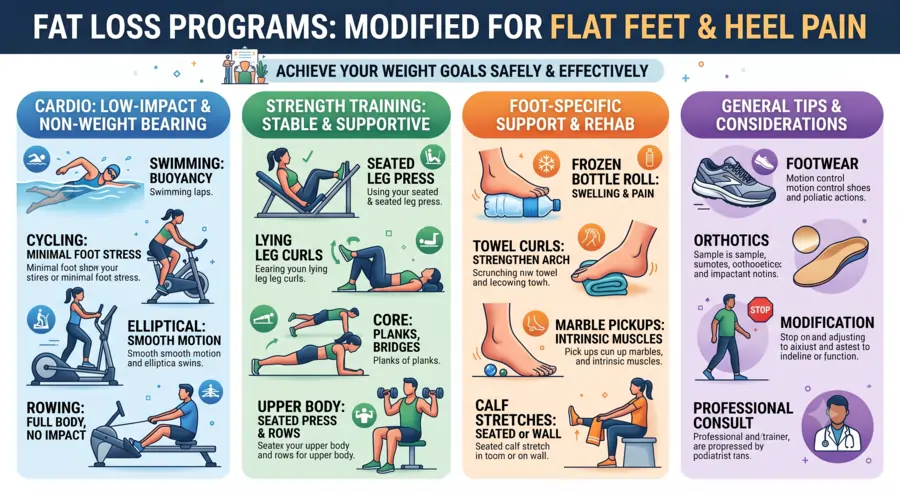
- Lower-impact exercises: Running and jumping are examples of high-impact exercises that may not be appropriate due to the heel pain associated with plantar fasciitis. Instead, choosing lower-impact activities like yoga, cycling, or swimming can help sustain levels of physical activity while reducing heel pain.
- Strength training: Improving foot and ankle stability through lower-body muscular strengthening may help relieve some plantar fasciitis symptoms indirectly.
Impact of Exercise on Plantar Fasciitis
Exercise is crucial for preserving general health and wellness, but it can be difficult for people who have plantar fasciitis. Inflammation of the plantar fascia, a thick band of tissue that extends from the heel to the toes, results in the painful condition known as plantar fasciitis. Finding safe ways to include physical activity in everyday activities and understanding how exercise affects this disease are crucial.
- Stretching: Plantar fasciitis symptoms can be relieved by stretching and low-impact exercises. Heel pain can be relieved by stretching the plantar fascia, Achilles tendon, and calf muscles. Calf stretches, plantar fascia stretches, and towel curls are a few examples of these exercises. Additionally, flexibility, muscle strength, and balance can be enhanced by doing yoga or Pilates.
- Low-impact exercise: Exercise with low impact is recommended since it puts less strain on the plantar fascia tissue. Instead of running or jumping, which could exacerbate the inflammation, activities like walking, swimming, and cycling can be great. In particular, walking can improve strength and cardiovascular health without placing undue strain on the feet. For best results, warm up before working out and use the proper supporting shoes.
- High-impact or repetitive exercises, such as long-distance running or jumping, can cause overuse and a tear of the plantar fascia. By putting more strain on the already inflamed area, these activities may make plantar fasciitis worse. Reducing the frequency and intensity of high-impact workouts and adding rest days to training regimens can help prevent additional harm.
- NSAIDs (non-steroidal anti-inflammatory medicines), like naproxen or ibuprofen, can provide temporary relief from heel pain and inflammation. However, long-term use of NSAIDs may cause gastrointestinal problems or other negative effects, and they are not a treatment for plantar fasciitis. For useful advice on medicine and exercise regimens suited to one’s individual needs, speak with a healthcare provider.
In conclusion, exercising with plantar fasciitis can be managed by using appropriate stretching, low-impact exercises, and the required safety measures. Maintaining an active lifestyle while controlling the symptoms of plantar fasciitis is essential for general health.
Safe Exercises for Weight Loss with Plantar Fasciitis
It is essential to select exercises that reduce foot strain while encouraging weight loss when treating plantar fasciitis. Low-impact exercises are the best since they offer the essential cardiovascular benefits without making the problem worse. Here are some exercises that are both safe and beneficial:
- Cycling: For those with plantar fasciitis, cycling is a great low-impact activity. Without straining the feet, it works the muscles in the legs and aids in calorie burning. You can include both outdoor cycling and indoor stationary bikes in your exercise regimen.
- Swimming: Swimming works different muscle groups and gives a full-body workout. It’s a good exercise for people with plantar fasciitis since the buoyancy of the water lessens the impact on the feet. To add variation to their workouts, one can select from a range of swimming strokes.
- Rowing: Another low-impact exercise that can help with weight loss is rowing. It protects the feet from undue strain while focusing on the upper body and core muscles. Staying active can be achieved by using a rowing machine at the gym or by engaging in outdoor rowing activities.
- Ankle circles: Ankle joint strength and mobility can be enhanced by performing ankle circles. The leg is extended, and the ankle is rotated circularly to complete this exercise. It can be integrated into a routine and done while sitting or lying down.
These low-impact aerobic exercises will help you lose weight and increase your general level of fitness without making your plantar fasciitis worse. As usual, it is recommended to speak with a healthcare provider before starting a new fitness regimen to guarantee the safest and most efficient strategy customized to each person’s needs.
Role of Footwear in Managing Plantar Fasciitis
Wearing appropriate footwear is essential for treating plantar fasciitis, a disorder that causes inflammation in the tissue that connects the heel to the toes and frequently results in heel pain or arch pain. Proper foot alignment and pain relief can be achieved by wearing the appropriate shoes.
When treating plantar fasciitis, arch support is crucial. To avoid overstretching the plantar fascia, shoes should provide sufficient arch support. Additionally, a shoe with a flexible sole and good cushioning might assist in reducing pressure on the affected region.
Additional support and cushioning may be provided by orthotics or shoe inserts made especially for plantar fasciitis. Those who need additional stability control for their feet may find these especially helpful. While over-the-counter solutions can be more affordable and still offer assistance, custom-fit orthotics created by a podiatrist can be personalized to meet specific needs.
To properly treat plantar fasciitis, it’s critical to select athletic shoes that provide both support and cushioning. Firm heel counters and shock-absorbing soles on athletic shoes can lessen impact and stop further tissue irritation.
Supportive shoes are essential for daily wear as well as for exercise. Plantar fasciitis sufferers should ideally avoid going barefoot and wear shoes with a low to moderate heel, a cushioned insole, and strong arch support. Additionally, sandals and slip-on shoes should have a shaped footbed that encourages correct foot alignment.
Plantar fasciitis sufferers can find a comfortable and practical solution by experimenting with various footwear options. For advice on selecting the appropriate shoes and treating any underlying biomechanical problems that might be aggravating the ailment, it is advised to speak with a medical expert.
Lifestyle Choices Affecting Plantar Fasciitis
Plantar fasciitis symptoms can be greatly reduced by adopting specific lifestyle changes, which may also help with weight loss. The following steps should be taken into consideration when managing this condition:
- Rest: When treating plantar fasciitis, it is essential to make sure that the affected foot gets enough rest. Heel pain and discomfort can be lessened by cutting back on activities that could exacerbate the problem, such as prolonged standing or walking.
- Ice: Plantar fasciitis-related pain and inflammation can be lessened by applying ice to the affected area. It is advised to carefully massage the bottom of the foot for fifteen to twenty minutes, multiple times a day, using ice packs or a bottle of cold water.
- Diet: A balanced diet can help with weight loss and lessen the strain on the affected foot. Fish, fruits, vegetables, nuts, and other foods with anti-inflammatory qualities can help reduce symptoms. Reducing processed foods, refined carbohydrates, and saturated fats can also help with weight control and general health.
- Lifestyle Changes: Plantar fascia stress can be reduced by implementing an exercise regimen that emphasizes low-impact exercises. Increasing flexibility and lowering the chance of reinjury can be achieved by gradually adding strengthening and stretching exercises, especially for the calf muscles and feet.
By incorporating these crucial lifestyle decisions, people can manage plantar fasciitis and develop long-lasting habits that support weight loss and general health. A more active and pain-free life can result from making these changes.
FAQs
How to lose weight with heel pain?
Swimming, water aerobics, yoga, spin cycling, and rowing machines are all great ways to burn calories, but be kind to your feet. Work out your heels and feet. Don’t fall behind when it comes to exercise, even if cardio and physical activity that keep you moving are the keys to weight loss!
Can flat feet be corrected with weight loss?
Losing weight can help relieve any pain or other symptoms associated with flat feet if obesity is the main cause of the condition. Losing weight lessens the weight that your feet must support, which lessens foot pain and strain.
If I am unable to walk, how can I lose weight?
First tip: Consume fewer calories. Maintaining a healthy weight is largely dependent on diet.
Step 2: Enter the pool. Swimming is an excellent way to burn calories if you can.
Tip 3: Give Adaptive Sports a Try.
Step 4: Go to the gym.
What exercises help with flat feet?
In order to strengthen flat feet, concentrate on arch-lifting exercises such as Heel Raises (lifting onto toes), Short Foot Exercise (pulling big toe towards heel), and Towel Curls (scrunching a towel with toes). These exercises should be combined with balance exercises like single-leg stands and calf stretches (Wall Stretches) to enhance overall foot/ankle strength and flexibility. Always begin gently and stop if you feel pain.
What muscles are weak in flat feet?
Subjects with bilateral flexible flat feet showed impaired lateral core muscular endurance, which may put them at risk for back pain and other lower limb problems.
Can you rebuild arches in flat feet?
Thankfully, there are a few basic methods to reverse and fix fallen arches. You may quickly restore your feet to their original, well-supported shape by combining rest, exercise, and appropriate arch support.
References:
- Heel fat pad syndrome. (2025, June 2). Cleveland Clinic. https://my.clevelandclinic.org/health/diseases/23275-heel-fat-pad-syndrome
- Lonny-Nodelman. (2024, November 8). Will losing weight help with foot pain? https://districtfootankle.com/will-losing-weight-help-foot-pain/
- Erchonia. (2025, October 20). The connection between weight loss and plantar fasciitis relief: How LLLT can help. Erchonia. https://www.erchonia.com/blog/weight-loss-plantar-fasciitis-relief/
- (2026, Jan, 4) https://www.copperjoint.com/blogs/exercise/how-to-lose-weight-with-plantar-fasciitis-7-best-tips-and-
strategies?srsltid=AfmBOoriplrzWmWS1osbcGuV7_Rofrp6iQe1Z_WLKMmL8CeGej69zBaU