Top Mobility Exercises Every Office Worker Should Do
Introduction
If you work in an office, you can improve your mental health by doing exercises like desk pushups and sitting leg extensions. Exercise during a lunch break can boost your energy levels by as much as 5 minutes.
A lengthy workout can be challenging to fit into an already full schedule. You might want to consider completing quick workouts during the day if you’re having trouble finding time to be active.
You can improve your lunchtime blood flow and overcome your mid-afternoon slump by exercising at your desk for just five to ten minutes.
You can get in a great exercise without a treadmill or a rack full of dumbbells. We’ve put up a list of 30 workplace workouts below that you can perform immediately with little to no equipment.
Mobility Exercises for Every Office Worker
Shoulder Shrug

Typing, clicking, and scrunching put a lot of strain on the shoulders and neck. The trapezius and other shoulder muscles get tense due to the fact that most of us hunch much more than we are aware.
The blood will flow through your traps with exercises like shrugs and shoulder rolls.
- Whether you sit or stand, keep your back straight and your shoulders back.
- Squeeze your ears as tightly as you can while lifting your shoulders toward them.
- Roll them back as you loosen up after holding for one to two seconds.
- Repeat 8–10 times.
- Roll your shoulders forward and backward numerous times to finish the workout.
Calf raises

Worked muscle groups: calves
How to perform them:
- To maintain your balance, stand erect and grasp your desk or chair.
- Lift your heels back to the floor after standing on your toes for a brief period of time.
- Do this ten times or more.
Squats

Muscle groups worked: Quads, glutes, hamstrings, and core Muscles
How to perform them:
- Place your workplace chair behind you and stand up. Stretch your hands in front of you while keeping your feet shoulder-width apart.
- Keeping your knees parallel to your toes, descend until your buttocks nearly contact your chair.
- Go back to the beginning and do this ten or more times.
Hand and Finger Stretches
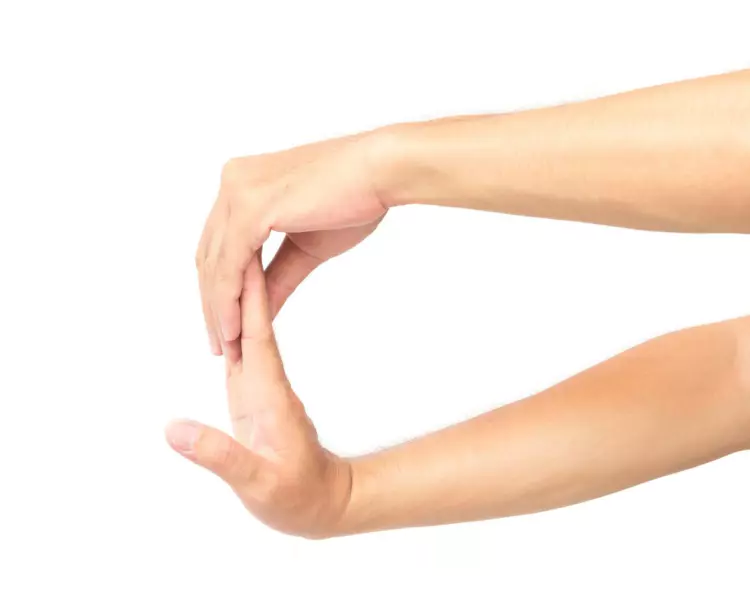
Hand and finger stretches are the most basic desk workouts. Long-term typing has been connected to repetitive strain injuries and tendinitis.
Stretches for the hands and fingers improve range of motion and relax tense joints.
- For thirty to sixty seconds, clench your fist.
- Spread your fingers widely and open your palm.
- Perform each hand at least four times.
Forearm Stretch

When you stretch your forearms after typing, you might not even notice how tight they can get. To avoid developing hand and wrist pain, this easy exercise helps stretch the muscles in the forearms and wrists.
- Start either sitting or standing.
Extend your right arm and lower your hand so that the fingers are pointing down. - Feel a stretch in your forearm as you gently draw the fingers toward you with your left hand.
- Hold for ten to thirty seconds, then switch to the other hand.
Repeat on both sides five to ten times.
Neck Stretch
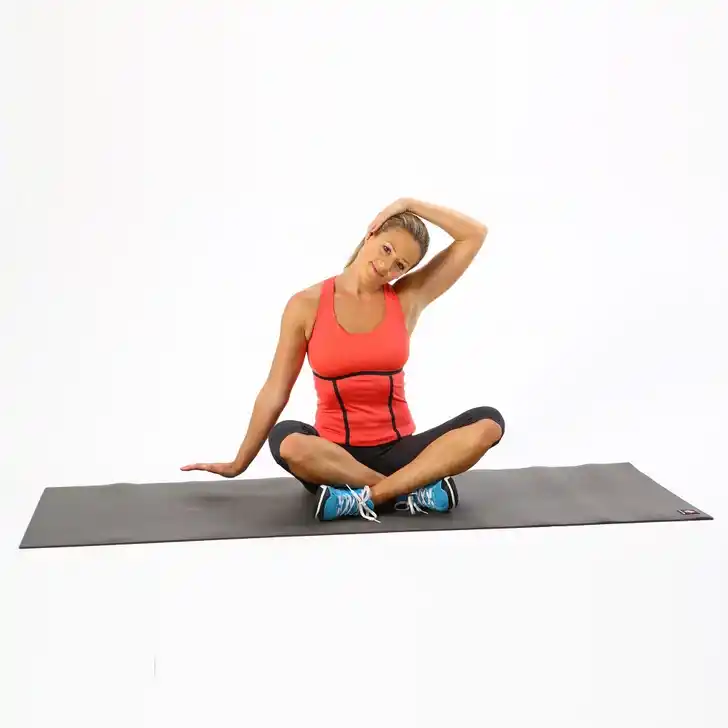
Headaches and stiffness in the upper back can also result from holding tension in the neck. When using a computer, many of us tilt our heads forward, which can strain the muscles in our necks.
Imagine the strain that an 11-pound head may place on your neck. While completing this stretch and paying attention to your posture will help, a neck massager can also be helpful.
- To begin, sit with your back straight and your shoulders back.
- Reach down and grasp the side of the chair with your right hand.
- As you turn your head to the left and pull slightly, feel a stretch down the right side of your neck and shoulder.
- Holding for ten to thirty seconds.
- Repeat on the opposite side.
- On each side, repeat five to ten times.
Neck Rotations
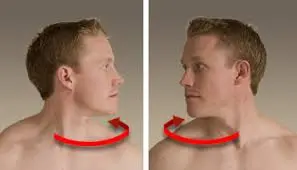
Sitting all day puts strain on your shoulders and neck. Neck stretches are another chair exercise that can assist relieve pain, and proper ergonomics at your office can help reduce tense muscles.
- Roll your neck in a circle and lower your chin.
- For ten seconds, raise your chin and bend on each side.
- Repeat throughout the day as needed.
Upper Back Stretch
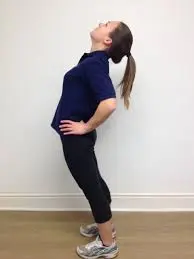
This upper back exercise will stretch all the muscles between the shoulder blades, the traps, and the shoulders, while shoulder shrugs will aid in increasing circulation.
- Take a seat or stand to begin.
- Rotate the hands so that the palms are facing apart and extend the arms straight out.
- Put your fingers together and cross your arms so that your palms are squeezed together. If you don’t feel comfortable twisting your arms, just knot your fingers together.
- As you relax your head down, contract your abs and round your back, reaching away with your arms.
- Instead of collapsing, picture yourself curving up and over an imagined ball.
- For ten to thirty seconds, hold the stretch.
Spinal Twist
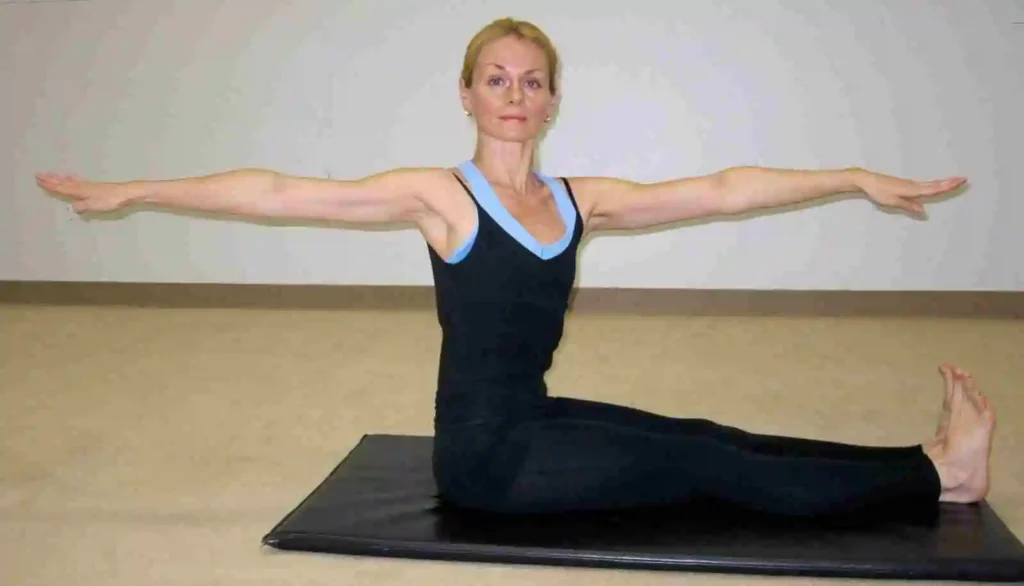
You can gently release some of the stress by performing this twisting stretch in conjunction with an acupressure mat. You just need to spin a little to feel this stretch, so don’t go too far.
Apply this stretch and other back exercises to strengthen your core and extend your lower body if you have back pain.
- Place your feet flat on the floor and begin sitting.
- Gently turn the torso to the right while contracting your abs.
- To make the stretch deeper, place your hands on the chair’s seat or armrest.
- Keep your hips square and your back straight, and just twist as much as you can comfortably.
- Repeat on the other side after holding for ten to thirty seconds.
- Five to ten times on each side, repeat this.
Abdominal Stretches
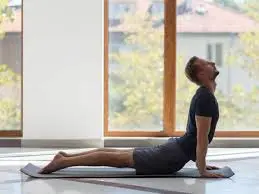
Usually, the area around the stomach is where additional weight first appears. This extends your oblique muscles in addition to your abdominal muscles.
- With your feet flat on the ground and your knees bent, take a seat on the edge of a chair.
- Twist to the left with your hands behind your head, holding the position for at least one count.
- To the right, repeat the motion and hold.
- Complete 20 reps.
Hip Flexions

The extra weight doesn’t end at your waist. They usually descend to the hips. Another office chair workout that combats a sedentary lifestyle is hip flexion.
- While sitting in a chair, raise one foot a few inches off the floor.
- For at least ten seconds, maintain a 90-degree bend in your knee.
- Continue on the opposite side.
Leg Extensions
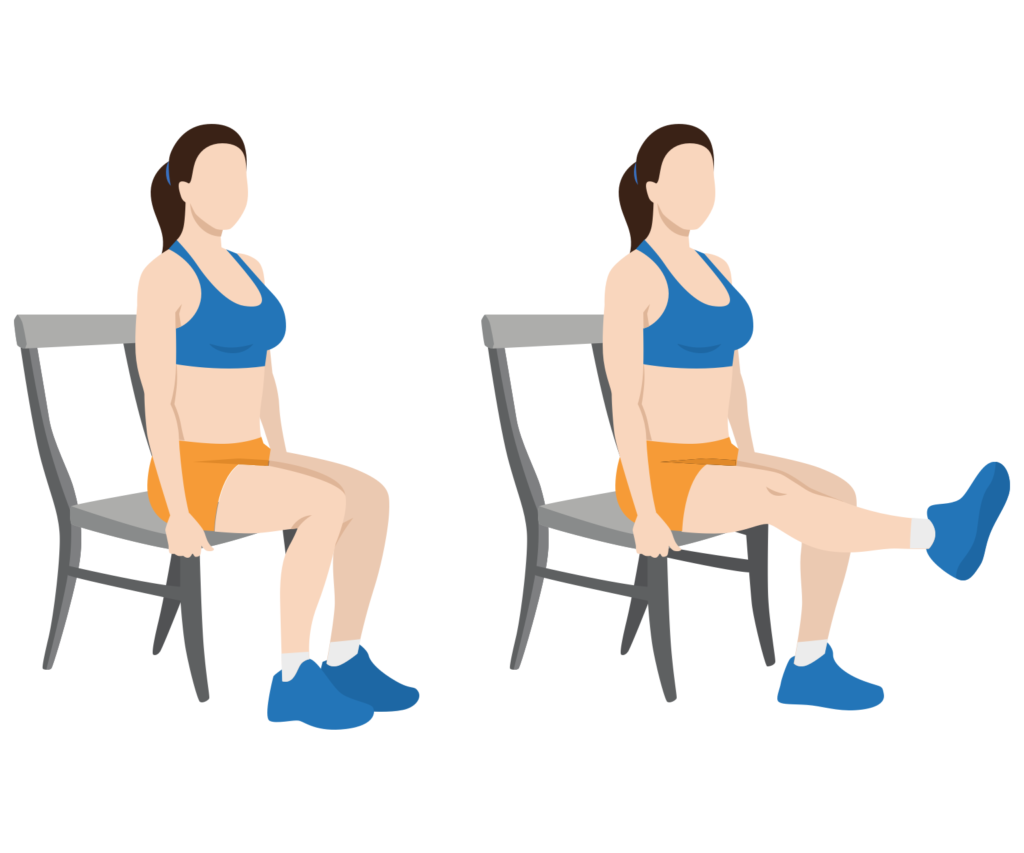
Your next workplace workout should be leg extensions while you’re still seated. Leg extensions at your desk are better for your knees than doing them on an exercise machine with large weights, which can be detrimental.
- Lift one leg till it reaches your hips.
- Hold for as long as you can before letting go.
- Repeat ten times on each leg.
Toe Raises
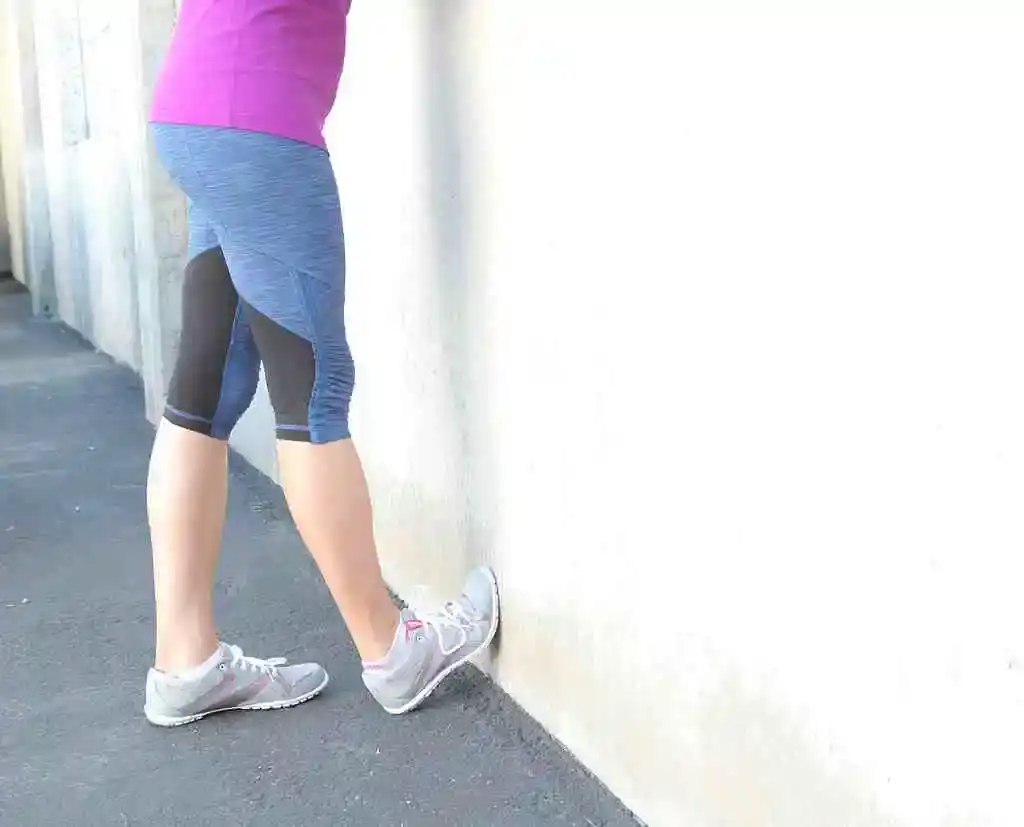
For your shins, toe rises are a fantastic office exercise. You can perform this exercise while standing or sitting, but keep your balance by holding onto something solid. Use a resistance band for a more intense workout at the workplace.
- Raise your toes and the balls of your feet while keeping your heels on the floor.
- As needed, repeat.
Chair Squats

One desk workout that engages many muscles is squatting in front of a chair.
- Position your feet hip-width apart.
- Bend and lower your hips until your posterior is only a few inches from the seat.
- Gently rise.
Chest Stretch
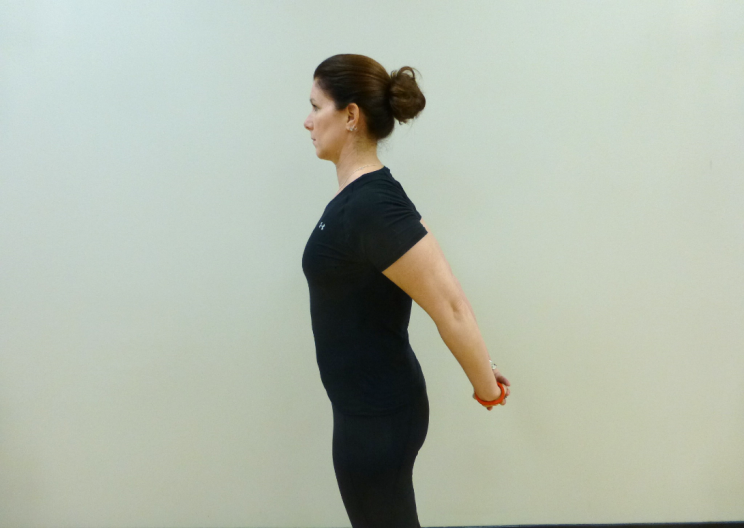
Stretching your shoulders and pectoral (chest) muscles is crucial because most of us spend a lot of time slumped forward. If you have shoulder issues, stay away from this exercise.
- Place your feet shoulder-width apart as you stand. Sitting in a chair is another way to perform this exercise.
- If you can, move your fingers together while moving your arms behind you.
- Straighten your arms and elevate your hands a few inches to feel a stretch in your chest.
- Hold for ten to thirty seconds.
- Do this five to ten times.
Inner Thigh Stretch
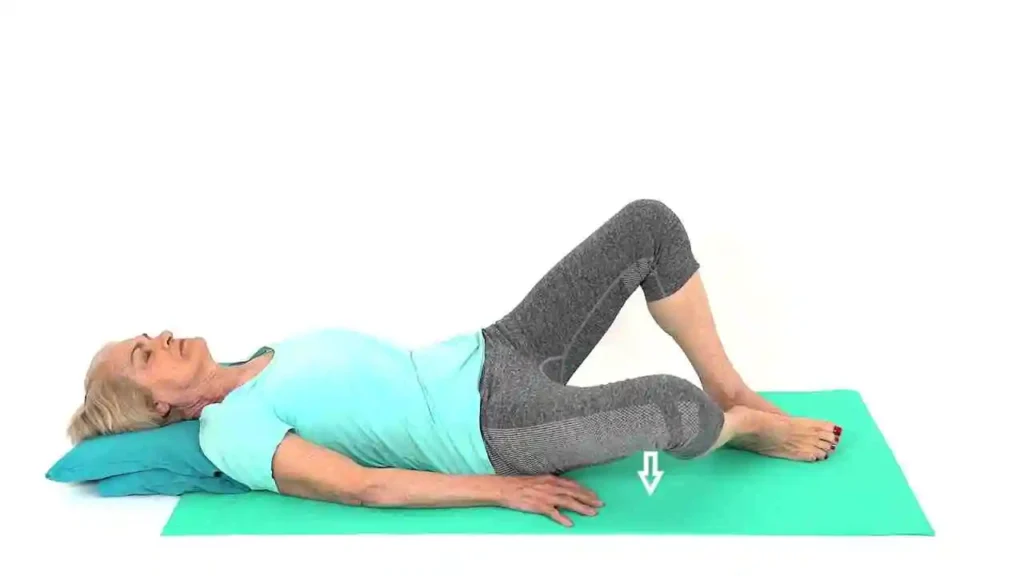
For the hips and groin, inner thigh stretches are crucial. This expands on the preceding exercise by expanding the hips and relieving lower-body tension and rigidity.
- Lean forward with your elbows resting on your thighs, spread your legs wide, and extend your toes while seated.
- Keep your abs taut and your back straight.
- Until you feel a stretch in the inner thighs, gently press forward while pushing the thighs out with your elbows.
- Hold for ten to thirty seconds, then repeat as many as you’d like.
Long-term sitting can lead to several health problems, such as neck and back pain, as well as an increased risk of diabetes, cancer, and heart disease. Plan to include more movement throughout the day, such as standing and stretches; doctors advise doing at least a few minutes of movement every 30 to 45 minutes.
These stretches are simple to perform at work and help preserve flexibility, enhance circulation, and loosen up your muscles. For a well-rounded exercise regimen, include the stretches in your daily routine.
FAQs
What exercises can be done at work?
desk press-ups. Desk pushups might help you strengthen your arms and chest.
The book press. Use the book press to work your triceps.
Practice yoga. When you need a mental break, pull out the yoga mat that you keep in your workplace.
Squats in a chair…
wall sits.
Raise your legs.
Go up the stairs.
move and talk.
How to exercise with an office job?
Stretch your fingers and hands. Hand and finger stretches are the most basic desk workouts.
rotation of the neck. Your shoulders and neck are stressed when you sit all day.
Abdomen Stretches.
Hip flexions.
Leg Extensions…
Raising your toes.
Chair squats.
elevated push-ups.
Why is exercise important for office workers?
Physical activity has a significant impact on a number of areas of work performance, according to numerous studies. Employees who regularly exercise are more likely to report feeling more satisfied with their jobs, having more energy, being more focused, and being more creative.
What are the four most important types of exercise?
The key to good health is exercise. However, we often confine ourselves to only one or two kinds of activities. Certain components of health and exercise may be overlooked because people tend to perform what they love or find most effective. In actuality, we should all be engaging in strengthening, stretching, aerobics, and balance activities.
What are 6 dynamic stretches?
switching up the lunges. This exercise works the quadriceps, hamstrings, glutes, and calves, strengthening and stretching the legs and enhancing balance and coordination.
Jumping Jacks…
high Knees
Arm Circles…
Butt Kickers…
windmills.
An inchworm…
Quick steps.
What are the 4 basic movements of flexibility?
Flexibility is defined as the range of motion of muscles and joints, including flexion, extension, abduction, and adduction.
What are the 10 basic locomotor movements?
Children with locomotor skills can move their bodies from one location to another in a variety of settings. Walking, running, jumping, hopping, crawling, marching, climbing, galloping, sliding, leaping, hopping, and skipping are the essential locomotor skills.
References:
- Yetman, D. (2024, October 2). 30 office exercises to try right now. Healthline. https://www.healthline.com/health/fitness/office-exercises#with-chair-or-desk
- Delaware Fit Factory | Top mobility Exercises for desk Workers. (2025, April 29). https://www.delawarefitfactory.com/blog/top-mobility-exercises-for-desk-workers
- (2026, 15th, April). https://www.concentra.com/resource-center/articles/10-exercises-to-do-at-your-desk/
- (2026, 15th, April).https://www.verywellfit.com/best-stretches-for-office-workers-1231153