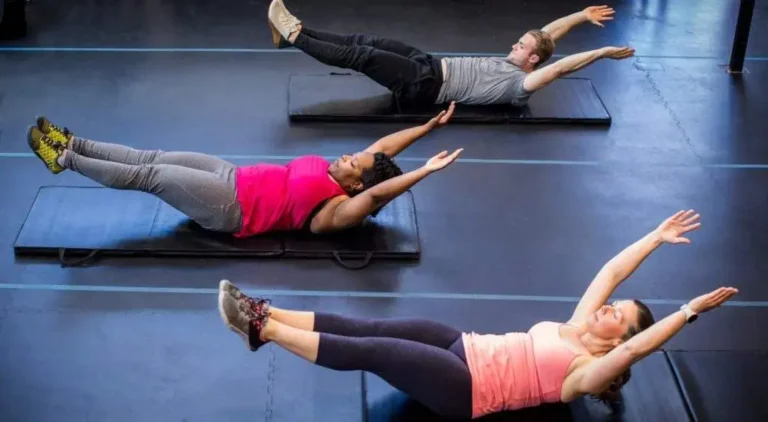

Why Functional Training Prevents Injuries?
Nobody likes to be stopped by an injury. Functional training is the injury prevention approach you require, whether you’re preparing for a marathon, chasing your kids, or simply trying to go through life without pulling something when reaching for the top shelf.
Functional training improves your body where it matters most, increasing movement patterns, core stability, and neuromuscular control.
What is meant by functional training?
The goal of functional training is to prepare your body for everyday living, not merely to get stronger in the gym. Functional training incorporates several muscle groups to perform difficult everyday motions, compared to traditional strength training, which isolates muscles with exercises like leg extensions and bicep curls.
Exercises that replicate or improve daily movements are the focus of functional training. Functional exercises frequently incorporate several muscle groups functioning in combination rather than focusing on just one (like classic biceps curls). Squats, lunges, push-ups, pull-ups, single-leg exercises, and rotating motions are a few examples of this.
- The holistic approach places a strong emphasis on compound movements that work several joints and muscle groups simultaneously.
- Practical implementation: The body moves smoothly and effectively in everyday situations when balance, flexibility, and core stabilization are prioritized.
- Personalized for everyone: Functional training can be tailored to different fitness levels and objectives for everyone, from seasoned athletes to people who spend their days at a computer.
Fundamentals of Functional Training
- Movement Patterns: To increase real-world strength, exercises imitate common human motions such as squatting, lunging, pushing, pulling, and spinning.
- Multi-Planar Movements: Training prepares your body for dynamic, daily activities by involving movement in the sagittal, frontal, and transverse planes of motion.
- Stability and Balance: Exercises that improve neuromuscular control and movement efficiency are essential for lowering the risk of injury.
- Progressive Overload: To ensure ongoing enhancement of functional strength and mobility without overtaxing weak areas, exercises progressively increase in complexity and intensity.
The Scientific Basis of Injury Prevention
Functional training has been shown in numerous studies to lower the risk of musculoskeletal problems significantly. Ankle and knee injuries were less common among athletes who used functional training techniques during their competitive seasons, according to a study published in the Journal of Strength and Conditioning Research.
What causes this to occur? Here are some explanations:
- Increased awareness of proprioception
Your sense of body awareness, or proprioception, is the ability to locate your limbs in relation to one another. Functional training’s dynamic, multi-planar exercises improve proprioception, which increases your agility and helps you avoid unpleasant twists or stumbles.
- Improved coordination between the neuromuscular
More fluid synchronization across several joints results from strengthening patterns rather than specific muscles. In addition to improving performance, this coordination lessens the possibility of tendons and ligaments being pulled by uneven forces.
- Properly balanced muscular growth
Training for optimal results in the functioning of a joint leads to a more symmetrical development of the muscles surrounding it. Instead of letting one side take the majority of the strain, balanced muscles help one another. To prevent compensating injuries or chronic overuse, that balance is essential.
Functional Training’s Advantages for Athletes in Preventing Injury
The significance of injury prevention is not new to athletes. The last thing you want, whether you’re a weekend warrior or a professional athlete, is to miss time due to an avoidable injury. For this reason, adding functional exercise to your exercise routine is essential to maintaining optimal bodily function. By emphasizing motions that replicate everyday activities, functional training enhances your body’s mobility and lowers your risk of injury.
- Improves Balance and Stability
Enhancing stability and balance is one of the main advantages of functional training for athletes looking to avoid injuries. Quick direction shifts or movements that test your body’s balance are necessary for many sports. You may develop the muscles in charge of stability and enhance your general balance by including workouts that focus on these particular areas, like balance boards or single-leg exercises.
These workouts focus on your legs, hips, and core muscles, which are essential for stability and injury prevention.
- Increases Joint Mobility
Enhancing joint mobility is a crucial component of athletes’ injury prevention strategies. Numerous sports necessitate a broad range of motion in the ankles, shoulders, and hips. Squats, lunges, and hip rotations are examples of functional training exercises that can assist in increasing these joints’ range of motion and lower the risk of injuries brought on by tense muscles or limited range of motion. By relieving muscle and fascial tension, these methods improve mobility and lower the chance of injury.
- Increases Functional Power
In addition to preventing injuries, functional training aids in the development of functional strength in athletes. Strength and power that are directly applicable to daily motions or sports-specific tasks are referred to as functional strength. Exercises that imitate these motions, such as lunges, push-ups, and squats, can help athletes build the strength they need to compete at their highest level while lowering their risk of injury. Compound activities, such as deadlifts, kettlebell swings, and plyometric jumps, are excellent ways to build functional strength and enhance general athletic performance.
- Promotes Better Neuromuscular Coordination
The capacity of your brain to efficiently connect with your muscles is known as neuromuscular coordination. For the best movement and injury prevention, your brain and muscles must communicate well. This coordination can be improved with functional training activities that test your neurological and muscular systems, which lowers your chance of injury from imbalanced muscles or improper movement patterns. These exercises test your brain’s ability to connect with your muscles more efficiently by requiring precise motions and quick muscular contractions.
- Takes Care of Muscle Imbalances
When some muscles in your body are stronger or more taut than others, you have muscle imbalances, which can cause bad movement patterns and a higher risk of injury. By concentrating on certain muscle groups and enhancing general muscular symmetry, functional training aims to address these imbalances. Exercises that target muscular imbalances and encourage improved movement patterns include unilateral shoulder presses, single-arm rows, and single-leg squats.
- Encourages the Healing of Injuries
Functional training is advantageous for both injury rehabilitation and injury prevention. Incorporating functional training activities that focus on the injured area will help hasten the healing process and help you avoid getting hurt again.
With this individualized approach, you can be sure that you’re performing safe and efficient workouts that will help you heal from your injury and lower your chance of getting hurt again.
- Enhances Athletic Performance in General
Incorporating functional training into your fitness regimen will improve your overall athletic performance in addition to reducing injuries. Better agility, power, and endurance are a result of enhanced stability, joint mobility, functional strength, neuromuscular coordination, and corrected muscle imbalances.
You can improve your performance with functional training, regardless of whether you’re an exceptional athlete or just like playing sports for fun. To make sure you’re including the appropriate exercises and methods in your workout schedule, don’t forget to speak with a professional personal trainer or coach.
Does Injury Prevention Come from Functional Training?
Absolutely, when done properly, functional training is one of the best strategies to lessen the risk of injury and build stronger muscles and movement patterns that guard against typical injury-prone areas like the lower back, shoulders, and knees.
You may increase your body’s resistance to sprains, strains, and overuse injuries by using functional strength workouts that enhance core stability, balance, and mobility.
Essential Functional Exercises to Prevent Injuries
These multi-joint workouts ensure that your body is strong, stable, and injury-proof by simulating real-world movements:
- Lunges and Squats:

Benefits include increased hip mobility, improved balance, and strengthened legs and core.
Methods: Keep your back straight and make sure your knees don’t go past your toes.
- Bird-dogs and planks:

Benefits: Increase lower back strength and core stability.
How to Perform: Use your core and keep your body in a straight line from your head to your heels.
- Rows and Push-Ups:
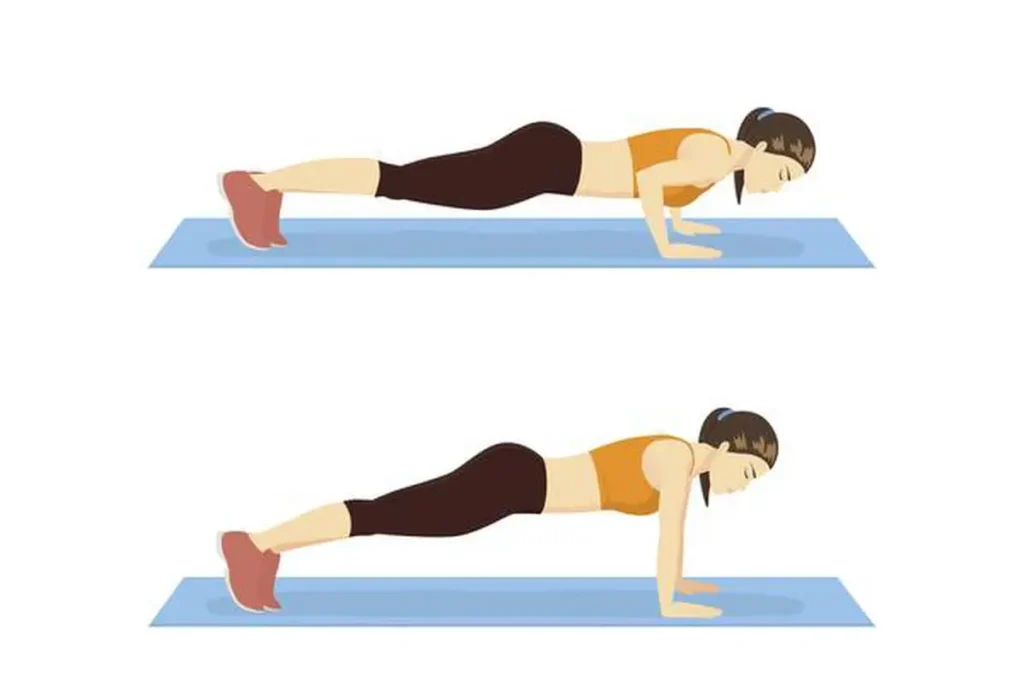
Benefits include increased shoulder stability and upper body strength.
How to Do It: Maintain a neutral spine and keep your elbows close to your body.
- Glute bridges and deadlifts:

Benefits: Target the lower back, hamstrings, and glutes as part of the posterior chain.
Methods for Execution: Maintain a neutral spine and concentrate on hinging at the hips.
- Rotational Motions:
Benefits include increased rotational strength and core stability.
How to Do It: For more resistance, use equipment like resistance bands or medicine balls.
Conclusion
For athletes trying to enhance their performance and avoid injuries, functional training is revolutionary. You’re positioning yourself for long-term success by including workouts that increase stability, joint mobility, functional strength, neuromuscular coordination, muscle imbalances, injury recovery, and overall athletic performance.
Prioritize injury prevention before an accident happens. Benefit from a stronger, healthier, and injury-free body by implementing functional training into your fitness plan right now.
FAQs
In what ways can a focus on functional movements help in injury prevention?
Minimize Overuse Injuries: When you perform exercises correctly, the strain is distributed among your joints and muscles. This lessens the chance of repetitive strain injuries, which frequently result from improper movement. Joint Strengthening: Functional workouts replicate everyday tasks.
What advantages does functional training offer?
Functional training makes you better prepared and less likely to get hurt by greatly increasing your mobility in daily activities and raising your awareness of how these patterns translate into daily actions.
How can injury prevention be achieved through training?
Long and short muscle fibers can preserve flexibility and balance in a well-rounded strength training program. In turn, this protects the body’s joints against abrupt or repetitive movements that could cause sprains or tears.
Which kind of exercise is better for preventing injuries?
By increasing muscle contraction and performance, stretching exercises can lower the chance of injury. Start each stretch slowly and work your way up to the point where your muscles are tense. It shouldn’t hurt to stretch.
How may physical activity lower the chance of becoming injured?
More fit people can execute an activity for longer periods of time, fatigue less quickly, recover more quickly, and have more reserve capacity for future tasks since they are operating at a lower proportion of their peak capabilities.
Reference:
- The55 Fitness US. (2025, February 18). Functional training in injury prevention and rehabilitation. The55 Fitness US. https://us.the55fitness.com/functional-training/injury-prevention-rehabilitation/
- Training, P. I. (2025, May 1). Is functional training the key to injury prevention? | Movement-Driven Fitness Strategies –. https://primeintensitytraining.com/is-functional-training-the-key-to-injury-prevention-movement-driven-fitness-strategies/
- Busch, J. (2024, March 19). The benefits of functional training for injury prevention in athletes. Body Balance Strength & Wellness. https://www.bodybalanceboulder.com/blog/the-benefits-of-functional-training-for-injury-prevention-in-athletes