Core Exercises for People with Lower Back Pain and Belly Fat
Best core exercises for people with lower back pain and belly fat focus on strengthening the deep abdominal and back muscles without putting excess strain on the spine. These exercises help improve posture, support the lower back, reduce pain, and gradually tone abdominal fat. When performed correctly and consistently, they promote a stronger, more stable core while being safe and effective for individuals with back discomfort.
It’s essential to warm up before performing these workouts to prevent injury. Take your time and carefully follow the instructions for each of these exercises:
Core exercises for people with lower back pain:
Seated trunk rotation:
Ignore this and continue with the standing trunk rotation below if you can stand comfortably.
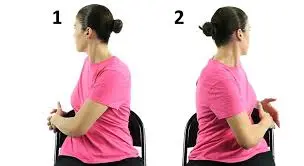
- Pick a stable chair, such as a dining table chair.
- With your legs bent 90 degrees at the knee and shoulder-width apart, sit slightly forward so that your back does not rest on the chair’s back.
- Your arms should be crossed over your chest.
- Always keep your hips looking forward.
- Return to face the front after slowly rotating to the right as far as is comfortable.
- Return to face the front after slowly rotating to the left as far as is comfortable.
- Repeat the motion ten times on each side.
Standing trunk rotation:
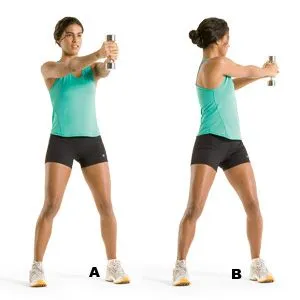
- Maintain a straight posture with your legs slightly apart and your knees slightly bent.
- Your arms should be crossed over your chest.
- Always keep your hips looking forward.
- Return to face the front after slowly rotating to the right as far as is comfortable.
- Return to face the front after slowly rotating to the left as far as is comfortable.
- Repeat the motion ten times on each side.
High knees:
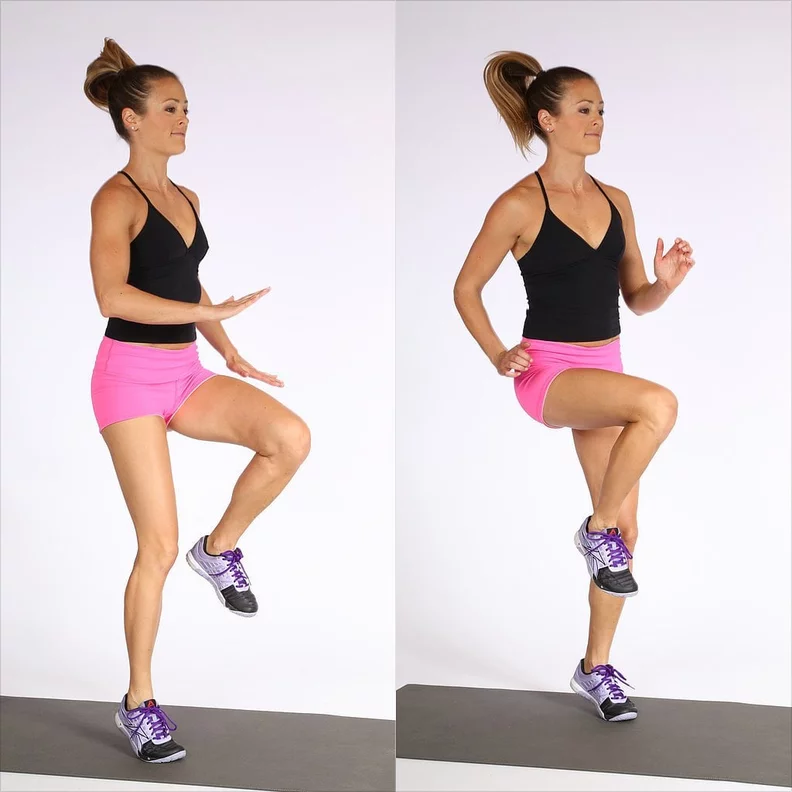
- Maintain a straight posture using your legs slightly apart.
- Raise your right knee slowly to a 90-degree angle, or as high as you can, and then return it to the floor.
- Raise your left knee carefully to a 90-degree angle, or as high as you can, and then carefully lower it back to the floor.
- With each leg, repeat the motion ten times.
Tip: Hold onto the back of a chair or a workstation if you have difficulty staying balanced. If you need further assistance, think about inviting a friend or family member to be close by.
Standing side bends:
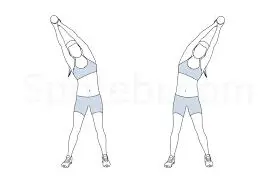
- Place your legs shoulder-width apart and stand straight.
- Arms should be by your sides.
- Slide your hand down your leg to your knee as you progressively lower your body to the right while maintaining a straight posture.
- Go as far as you feel comfortable.
- Repeat on your left side after slowly rising back up to a straight posture.
- Repeat the motion ten times on each side.
Standing back stretch:
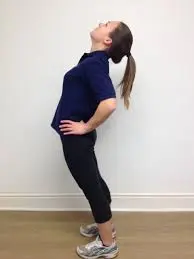
If you are worried about your balance, don’t do this.
- Place your legs shoulder-width apart and stand straight.
- Lean forward slowly, lowering your shoulders, reaching your fingers to the floor, and rounding your back towards the ceiling.
- Make your upper body feel as though it has been pulled down by relaxing your back muscles.
- Gently raise yourself back up to a straight posture.
- Five times over, repeat.
Pelvic lift:
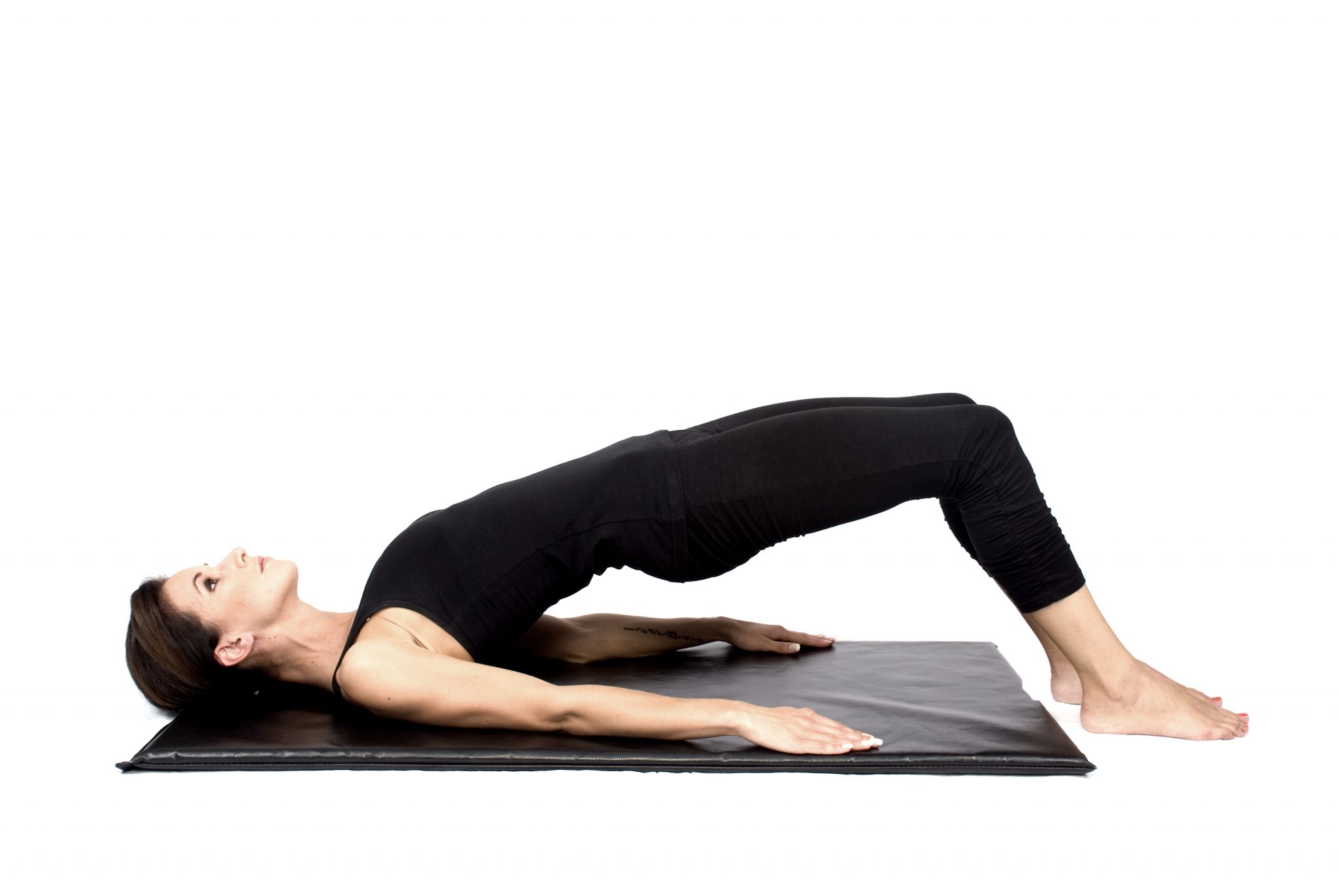
- With your arms by your sides and your knees bent, lie on your back.
- Inhale deeply.
- Squeeze your buttocks and activate your core by pushing the centre of your abdomen up and in towards your back as you exhale.
- Raise your buttocks off the ground.
- For one to two seconds, hold.
- Inhale, then softly drop to the floor.
Superman:

- With your arms extended in front of you and your legs straight, lie face down.
- Squeeze your buttocks firmly as you slowly raise your arms, shoulders, and legs off the ground after exhaling.
- Take a deep breath and return to the floor gradually.
- Put your fingertips on your temples and extend your elbows if you have a problem with straight arms.
Knee hugs:
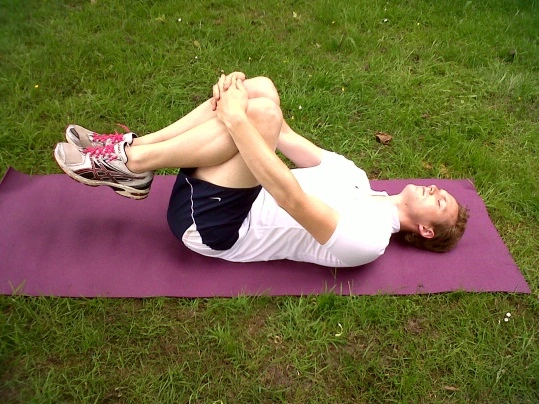
- Extend your legs straight while lying on your back.
- Bring your knees up to your chest.
- Breathe out as you slowly bring your knees into your chest (like an embrace) while holding them with both hands.
- For five seconds, hold.
- Release both of your hands, take a deep breath, and return your legs to the floor while keeping them straight.
Upward-facing dog:
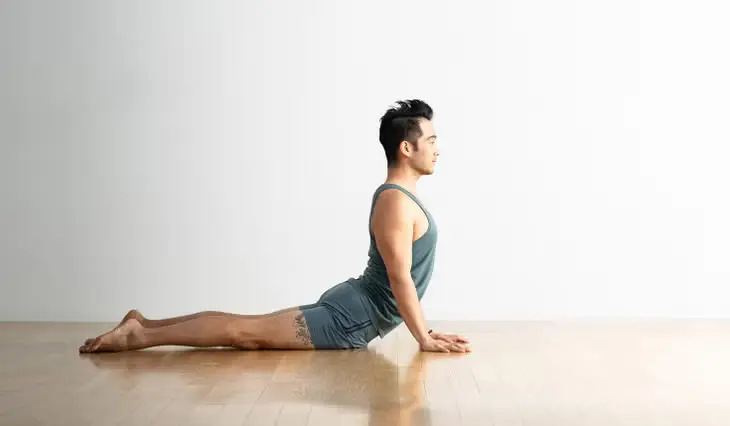
- With your legs straight out, lie face down on your stomach.
- Put your hands next to your lower ribs on the floor beside your chest.
- Inhale deeply, then push your belly button up and in towards your back to activate your core.
- Breathe out gently for three to five seconds while straightening your arms, pressing your hands into the floor, and raising your head, neck, and back.
- Make an effort to maintain your hips on the floor.
- Inhale, then bend your arms to bring yourself down to the floor.
Knee rolls:
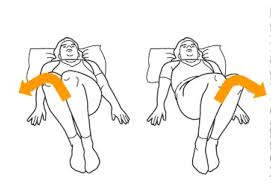
- At a 90-degree angle to your upper body, extend your arms to the sides.
- With your legs and feet together, carefully roll both knees to the right after exhaling.
- For one to two seconds, hold.
- Inhale, then slowly raise your knees back to the centre.
- On the left side, repeat.
Cat-cow:
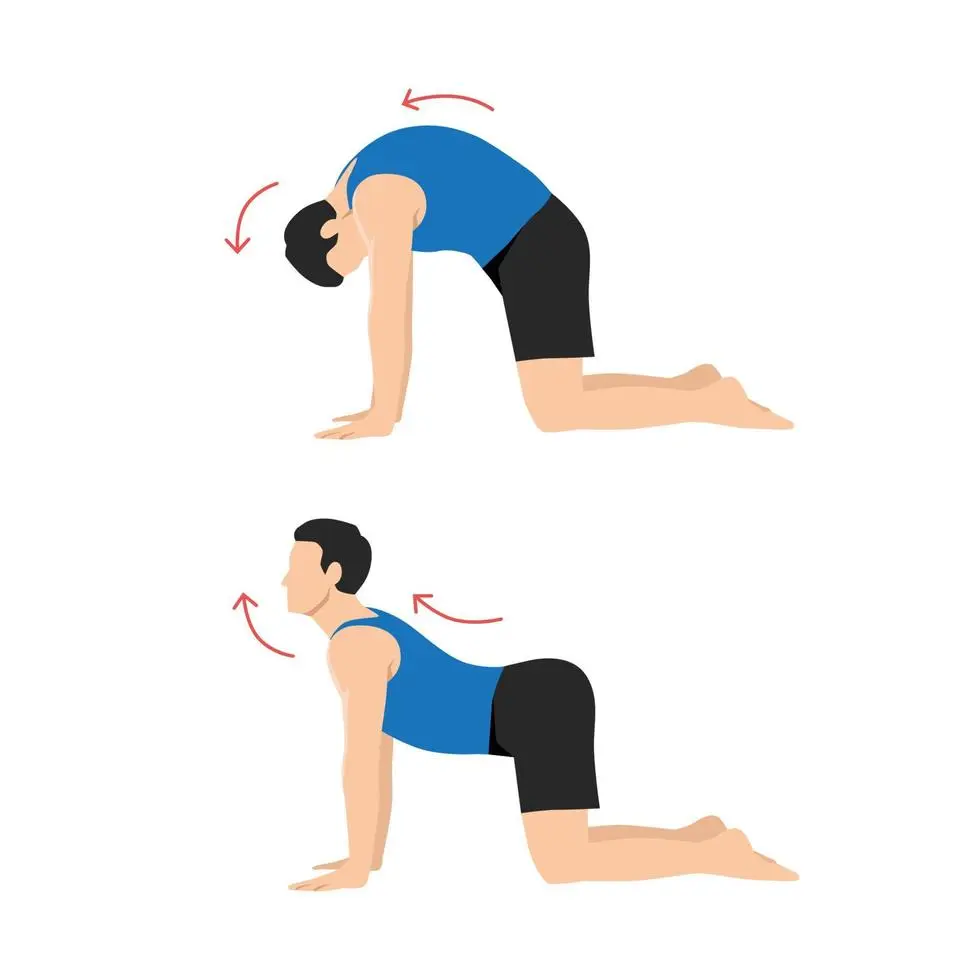
- Put your hands flat on the ground and kneel on all fours.
- With your knees exactly below your hips, place your arms straight below your shoulders.
- Inhale as you bend your back, peak up at the ceiling, and lower your stomach towards the floor.
- Reverse the motion after holding for one to two seconds.
- Exhale as you draw your belly button in the direction of your back, curving your back and lowering your head to the ground.
Core exercise for people with belly fat:
Russian Twists:
Your oblique muscles, which are found on the sides of your belly, can be worked with Russian twists. These muscles are essential for increasing the definition of your waist and burning side belly fat.
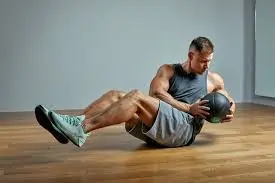
How to do it:
- Make a “V” shape with your body and thighs by bending back a little.
- Put your hands together or hold a weight in front of you.
- As if you were steering a wheel, rotate your upper body to the right and then the left.
- Keep your abs tight as you repeat the exercise.
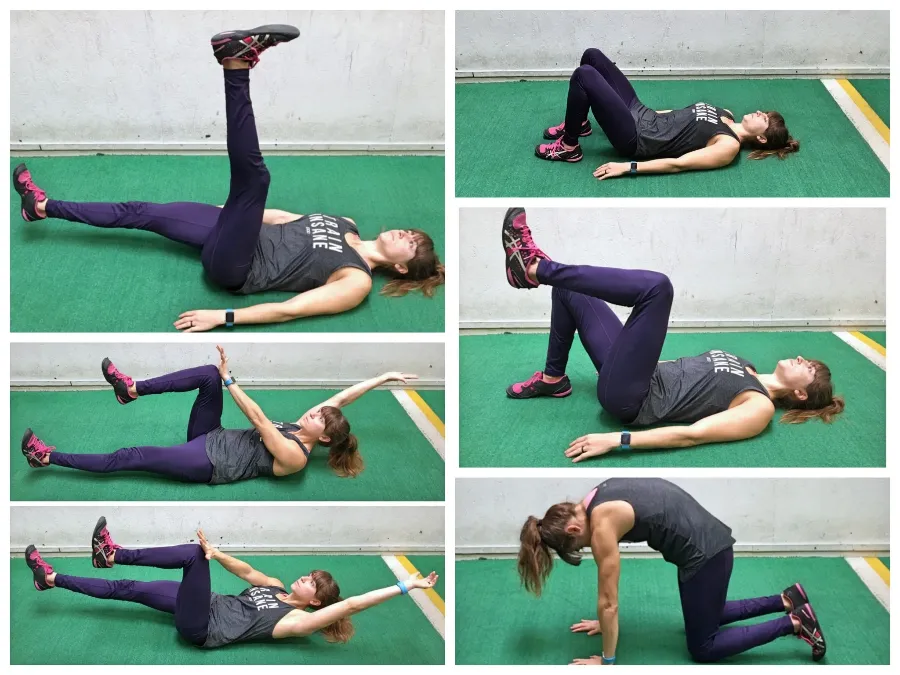
Bicycle Crunches:
One of the best side fat exercises for toning your waist and burning belly fat is the bicycle crunch, which works your obliques in addition to your upper and lower abs.
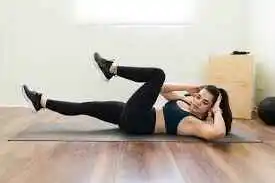
How to do it:
- Raise your knees to a 90-degree angle while lying on your back.
- With your elbows pointed out, place your hands behind your head.
- Extend the other leg while bringing one knee closer to your chest.
- As you do this, push your opposing elbow closer to the elevated knee by twisting your upper body.
- Feel like you’re riding a bike while switching sides.
Side Plank:
Side planks are a great way to strengthen your obliques, or the side of your core. Additionally, they assist you in retaining a strong and muscular waist by enhancing stability and balance.
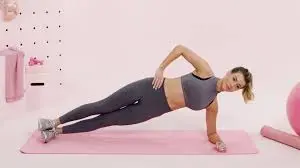
How to do it:
- With your legs straight, lie on your side.
- Make sure your body is in a straight line from head to toe by supporting yourself on your forearm.
- Maintain an upright core while holding this position for 20 to 30 seconds.
- Repeat on the opposite side.
Woodchoppers:
Woodchoppers are great for reducing side tummy fat since they twist your oblique muscles. Additionally, they help in enhancing rotational strength, which is critical for day-to-day tasks.
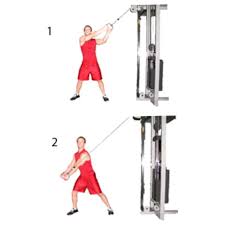
How to do it:
- Hold a weight in both hands while standing with your feet shoulder-width apart.
- Start by placing the weight on one side of your body at your shoulder.
- Make a chopping motion by swinging it diagonally across your body towards the other hip.
- Once you’ve finished your reps, switch sides.
Oblique Crunches:
The muscles in the sides of the abdomen are the focus of oblique crunches. You may be able to tone and define the sides of your waist and target your obliques more successfully by putting a twist on the traditional crunch.
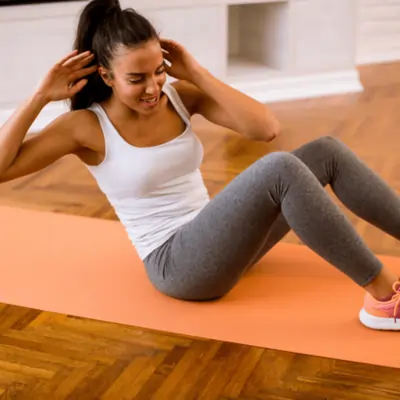
How to do it:
- With your elbows open, raise your hands above your head.
- Bring one elbow up to the knee on the opposite side, lift your shoulders off the ground, and rotate your upper body to the side.
- Repeat on the opposite side after lifting yourself back down.
Side Plank with Leg Raises:
This variation of the side plank is made more difficult by leg lifts, which strengthen your obliques and engage your hips and thighs for a more balanced core workout for side fat.
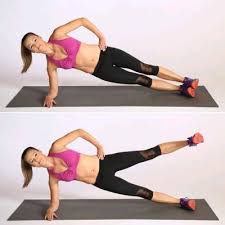
How to do it:
- To start with, perform a side plank while balancing on the side of your foot and your forearm.
- Holding the plank, slowly lift your upper leg towards the ceiling.
- Lower it back down without dropping your hips.
- Do a series of repetitions before switching sides.
Plank with Arm and Leg Reach:
Because it depends on balance and coordination, this workout tests your entire core. It improves core stability and strengthens your abdominal and back muscles.
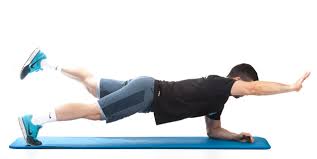
How to do it:
- Start in a typical plank position with your hands just below your shoulders.
- Raising both at the same time, extend your right arm forward and your left leg backward.
- Return to the plank position after a few seconds of holding.
- On the opposite side, repeat with the arm and leg.
Bird Dog:
Bird Dog exercise is a simple but effective abdominal fat exercise that targets the lower back and core. It’s a great full-body exercise that improves balance and coordination.
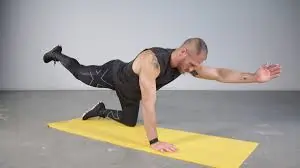
How to do it:
- Begin on all fours, placing your knees below your hips and your hands directly between your shoulders.
- Lift your left leg and right arm slowly and extend them straight out.
- Hold for a brief moment while maintaining a straight back and tight core.
- Repeat on the other side after lowering your arm and leg.
Summary:
A strong, balanced core really reduces back tension and encourages fat loss when combined with regular exercise. However, core training is often avoided by those who suffer from lower back pain. It’s important to concentrate on deep core muscles (transversus abdominis, multifidus, glutes) rather than hard abdominal crunches.
FAQ:
Can someone who has lower back pain do core exercises?
Completing core stabilisation exercises, including side planks or planks, for six weeks was more effective in relieving lower back pain symptoms than standard physical therapy.
Why does my tummy feel so big, and my back hurts?
As was previously said, there are several reasons why your stomach and back can be in pain at the same time. Common causes include constipation or bloating, gallbladder issues, kidney stones or infection, pancreatitis, menstruation, or changing hormones.
Which type of body fat is hardest to reduce?
The most common locations for restrictive fat are the neck, upper arms, lower back, thighs, hips, and belly. Many people find it challenging to lose weight in these regions because they tend to retain fat more easily. Fat in these areas can be affected by hormones, genetics, and lifestyle choices.
Which three core exercises are the most important?
The three exercises are the
1. Modified curl-up
2. Side plank
3. Bird dog exercise.
References:
- Bariya, D. (2025, December 31). 27 Best core exercises for a strong and stable core. Physical Therapy Treatment and Exercise. https://physical-therapy.us/core-exercises/
- Living with back pain? 5 core exercises you need. (n.d.). Henry Ford Health – Detroit, MI. https://www.henryford.com/blog/2023/09/back-pain-core-exercises
- Dhameliya, N. (2023b, November 12). Core exercise for Back Pain: Importance, Function, Exercise. Core exercise for Back Pain. https://samarpanphysioclinic.com/low-back-pain-core-muscle-strengthening-exercises/