
Obesity Management in PCOS
Introduction
Polycystic ovarian syndrome (PCOS) affects 4–20% of women of reproductive age. In comparison to people without PCOS, patients with PCOS frequently find it considerably more difficult to lose weight and much simpler to gain weight inadvertently. If you’re attempting to lose weight and you have PCOS, you might be upset that even if you’re doing everything “right,” the scale isn’t moving.
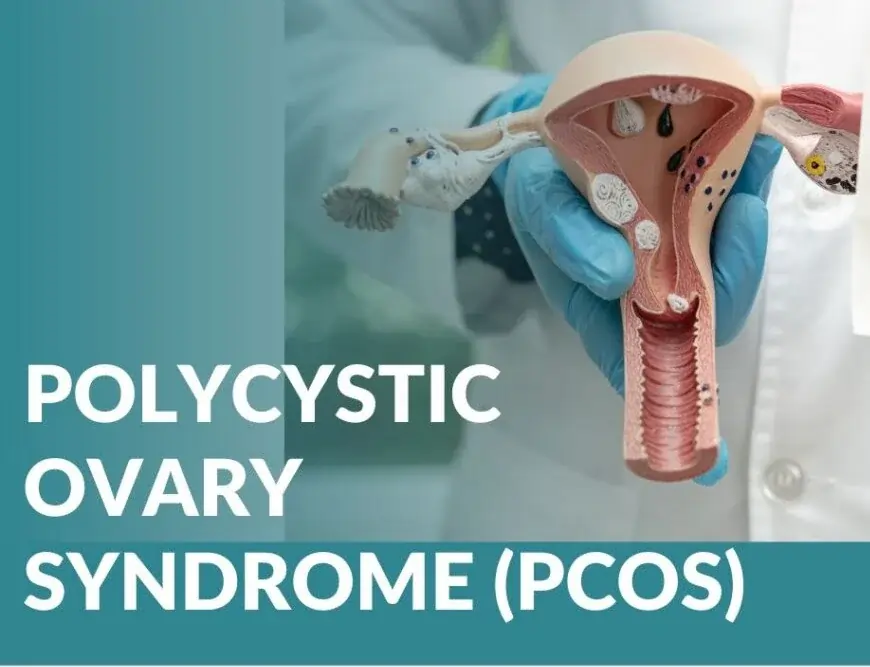
The disorder known as polycystic ovarian syndrome (PCOS) is characterized by irregular periods, hormonal abnormalities, and the growth of tiny cysts on one or both ovaries.
According to research, individuals with PCOS may have improvements in their overall quality of life, menstrual cycles, hormone levels, insulin resistance, and fertility with just a 5% weight decrease.
First, why is weight loss so difficult for those with PCOS?
PCOS, or polycystic ovarian syndrome, is a hormone-related endocrine condition. Numerous physiological functions that affect weight are regulated by hormones, such as stress levels, how our bodies use food as fuel, and moments of hunger.
Regretfully, we still don’t fully understand PCOS and all the various ways it slows weight loss. Researchers are still trying to figure out what causes PCOS and how to cure it.
Useful advice on weight loss for those with PCOS
Reduce your carb intake
Reducing your carbohydrate intake may help control PCOS because it affects insulin levels.
When the hormone insulin is not properly absorbed by your cells, you develop insulin resistance. This affects anywhere from 35 to 80% of PCOS sufferers.
Your body needs insulin to store energy and control blood sugar levels. Research indicates that both in the general population and in PCOS patients, elevated insulin levels are associated with weight gain and increased body fat.
Be patient as you make improvements.
PCOS makes it difficult, but not impossible, to lose weight. You can lose weight more slowly than someone without hormonal abnormalities. Maintaining a healthy lifestyle has advantages you might not immediately realize, but sluggish improvement can be depressing.
Even if you don’t lose a lot of weight, you may lower your risk of long-term health problems like diabetes and heart disease by eating well and exercising. Heavy periods, acne, excessive hair growth, and fertility issues are some of the frequent PCOS complaints that can be improved with medication, a healthy diet, and a regular exercise schedule.
Exercise regularly
Adults should engage in at least 150 minutes of physical activity every week, or roughly 30 minutes every workday, according to official recommendations. Weight control is just one of the many benefits of physical activity for your overall health and wellness.
Research shows that individuals with PCOS struggle more than those without the condition to lose weight through exercise. Exercise, however, provides strong full-body benefits and may reduce many PCOS symptoms, even though weight loss may be slower.
Try these suggestions:
- Find things you like to do: No one workout is the “best,” and exercising doesn’t have to feel like a chore. Rather, concentrate on enjoyable pursuits, such as participating in team sports, exercising while listening to music, or going on weekend hikes with friends.
- Establish a schedule: You may make physical activity a habit instead of a chore by making it a major part of your schedule. Nevertheless, don’t worry about performing the same task for the same amount of time each day; adding some variation to your routine can prevent it from becoming stale.
- Remember that even a little bit counts: It is better to exercise for five or ten minutes than to do nothing at all. A little walk or yoga break is still better than being sedentary, even if you are unable to complete the suggested 30 minutes each day. Whenever possible, take the chance to be active.
Balance your diet
No single diet is effective for everyone. Instead, specialists advise those who want to lose weight to concentrate on eating fewer carbohydrates and sugars and more protein, vegetables, and healthy fats.
Making these adjustments can help lower the risk of type 2 diabetes because many PCOS patients have high blood sugar and insulin resistance.
Here are some suggestions for a healthy diet:
- Start by eating vegetables and protein: Your blood sugar can be lowered more when you consume vegetables and protein before carbohydrates. When consumed alone, carbohydrates can raise blood sugar levels for a period before causing them to fall, which may encourage overeating.
- Don’t completely avoid carbohydrates, but cut back on them: There is proof that reducing carbohydrates can increase weight loss and enhance metabolism in PCOS patients. Fortunately, being low-carb does not equate to being carb-free. Make the switch to whole- wheat breads and pastas, which are excellent providers of dietary fiber and other minerals, and start meals with vegetables and protein.
- Find ways to cope with cravings: A lot of people with PCOS struggle with binge eating and have strong food cravings. Although it may seem impossible to curb cravings, there are strategies to lessen them. A physician or therapist can help you identify what causes your cravings and work with you to establish coping mechanisms.
Get enough sleep
Sleep is becoming more widely recognized by experts as being essential to general health.
Insomnia, sleep apnea, and excessive daytime sleepiness are among the sleep disorders that people with PCOS may encounter.
It’s been demonstrated that sleep deprivation raises the activity of hunger-promoting hormones like cortisol and ghrelin, which may lead to an increase in food intake throughout the day.
Indeed, studies have connected a lack of sleep to an increased chance of being overweight or obese.
Adults should try for at least seven hours of sleep per night, according to the CDC.
Manage your stress
One risk factor for weight gain is stress. This implies that managing your weight may be aided by lowering your stress levels.
Your adrenal glands create the hormone cortisol, which is elevated in response to stress. Insulin resistance and weight gain are associated with persistently elevated cortisol levels.
Additionally, long-term stress raises your chance of developing belly fat. A vicious cycle is created when belly fat raises inflammation, which in turn causes your body to produce more cortisol.
Consider implementing stress-reduction strategies into your daily routine to reduce your cortisol levels, such as:
- Doing yoga,
- going to the outdoors,
- meditating, and
- spending more time doing activities you enjoy
Limit processed foods and added sugars
Reducing your consumption of less nutritious meals is another way to reduce weight if you have PCOS.
Increased blood sugar levels and an increased risk of insulin resistance—which is associated with obesity—can result from processed foods and added sugars.
Sugar may be processed differently by those with PCOS than by those without it. According to research, women with PCOS who consume the same quantity of sugar as women without the disease see greater rises in their blood sugar and insulin levels.
People with PCOS should restrict their intake of refined carbohydrates and added sugars, according to experts. They might be able to control their symptoms and keep their body weight in check as a result.
Foods high in added sugar and processed carbs include cookies, cakes, sweets, and fast food.
Get plenty of fiber
A high-fiber diet may help PCOS sufferers lose weight because fiber makes you feel full after eating.
In the United States, women should consume approximately 25 grams of fiber per day, or 14 grams (g) per 1,000 calories. The majority of the population, however, only gets around 15 g of fiber daily.
Higher fiber consumption was associated in a 2019 study with reduced insulin resistance, total body fat, and belly fat in PCOS patients.
FAQs
What is obesity management?
Surgery, medication, or lifestyle modifications can all be used to manage obesity. There is currently no evidence-based, well-defined, and effective intervention to prevent obesity, despite several studies looking for helpful strategies.
What are the 4 pillars of obesity management?
Primary care physicians may benefit from practical skills regarding the four pillars of nutrition treatment, physical activity, behavior change, and medical therapies (anti-obesity medicines and bariatric surgery) to help patients with obesity live better lives.
Which is best for weight management?
A healthy weight can be maintained by leading a lifestyle that includes regular exercise, stress reduction, adequate sleep, and a balanced diet. Individuals who lose weight gradually and steadily—roughly 1 to 2 pounds per week—are more likely to maintain their weight loss than those who lose weight more quickly.
What are 10 symptoms of obesity?
inability to sleep. fatigue during the day and sleep apnea.
ache in the joints or back.
Sweating excessively.
inability to tolerate heat.
skin creases that are infected.
tiredness.
depression.
sensation of dyspnea, or shortness of breath.
What are 5 healthy weight management strategies?
Drink more water and consume more fiber in your diet.
Include protein in your morning meal. You will feel fuller for longer if you consume protein.
If at all possible, stay away from fast food.
To find out the calorie and nutritional content, read the labels. Keep an eye on how many serving sizes are included in each product.
What are three simple habits for weight loss?
Spend 150 minutes a week being active; you can divide this time into portions.
80g of fresh, tinned, or frozen fruit or vegetables counts as one portion of your five a day.
Aim for 0.5 to 1 kg (1-2 pounds) per week.
Does drinking water help with weight loss?
Drinking water instead of sugar-sweetened beverages may potentially aid in weight loss. Water consumption may also aid in weight management by lowering caloric intake and promoting fullness. Drinking water before and after meals may be beneficial.
References:
- Saydam, B. O., & Yildiz, B. O. (2021). Weight management strategies for patients with PCOS: current perspectives. Expert Review of Endocrinology & Metabolism, 16(2), 49–62. https://doi.org/10.1080/17446651.2021.1896966
- Groves, M. (2026, February 13). How to Lose Weight with PCOS: 9 Helpful Tips. Healthline. https://www.healthline.com/nutrition/how-to-lose-weight-with-pcos#eat-more-fermented-foods
- Wing, J. (2025, July 10). How to lose weight with PCOS: A doctor explains. Florida Medical Clinic, Orlando Health. https://www.floridamedicalclinic.com/blog/how-to-lose-weight-with-pcos/