Plant-Based Diets and Weight Loss: Are they Effective?
Overview
Plant-based diets and weight loss are dietary strategies that focus mostly or exclusively on meals derived from plants. All animal products, including red meat, poultry, fish, eggs, and dairy products, are avoided in these diets, which often include minimally processed fruits, vegetables, whole grains, legumes, nuts and seeds, herbs, and spices.
The degree to which these diets rely on plant-based foods can vary widely. At the end of the range, for instance, there is a vegan diet that only consumes plant-based meals and forbids the consumption of any animal products. On the other end of the spectrum is a semi-vegetarian diet that permits occasional meat consumption but primarily consists of plant-based items.
Adopting a plant-based diet can be motivated by several factors, chief among them being the fact that plant-based diets are frequently used for weight loss and maintenance.
What is a plant-based diet?
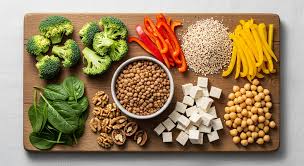
A plant-based diet consists primarily of plant-based foods, such as:
- Whole grains
- Vegetables
- Fruits
- Beans
- Nuts and Seeds
The word “plant-based diet” can refer to a variety of diets. Vegetarianism and veganism, for instance, are both plant-based diets. However, giving up meat and other animal products like dairy and eggs is not necessary to follow a plant-based diet. It simply means that your diet is mostly composed of plants.
This type of plant-based diet is high in fruits, vegetables, whole grains, beans, nuts, and seeds. This could mean putting these plant-based items on two-thirds of your plate during mealtime. A plant protein like tofu or a lean protein like fish or chicken can make up the remaining one-third.
Ultimately, it doesn’t matter what you label your diet; what matters is how you nourish your body. The main focus should be on making sure you’re eating as many plant-based foods as you can.
What Does Plant-Based Eating Mean?
Going plant-based is more about how you eat than it is about following a rigid diet. You don’t have to worry about hitting daily macronutrient targets or tracking calories. It simply means consuming fewer foods derived from animals and more foods derived from plants.
The diet can be interpreted in several ways:
- Vegetarian Diet: Vegetarians abstain from eating meat, including chicken, hog, and beef, although they may consume cheese, eggs, and milk. They rely on plant-based protein in place of meat.
- The vegan diet completely avoids animal products, such as milk, cheese, and honey. Vegans only consume plant-based foods.
- Raw Vegan Diet: Only raw, plant-based meals, such as fruit, uncooked vegetables, and sprouted grains, are consumed by those who adhere to this more stringent form of veganism.
- Flexitarian Diet: Individuals who adhere to a flexitarian diet reduce their consumption of meat and eat mostly plant-based foods, but they consciously eat some animal products, including meat.
A description of the Research on Plant-Based Diets and Weight Loss
The effects of plant-based diets on human health have been the subject of a sizable body of research. How plant-based diets impact intervention, monitoring, and weight reduction. Both are crucial to comprehending the impact of plant-based diets on weight loss.
Observational studies on diets based on plants
Research on plant-based diets that examines patterns is known as observational research. When it comes to plant-based diets, observational research examines the trends that develop among those who follow them.
There are a few trends that emerge when we look at the observational data on plant-based diets in relation to body weight and/or weight loss.
Three important facts:
- The first is that individuals who eat a plant-based diet typically weigh less than those who don’t.
- Another finding from observational studies is that people who follow a plant-based diet also typically gain less weight over time than people who do not.
- Moreover, women who eat a plant-based diet are almost 50% less likely to be overweight or obese than those who do not.
Foods to include in a plant-based, whole-foods diet
For many people, the majority of their meals, from steak for dinner to eggs and bacon for breakfast, focus on animal products.
Make plant-based foods the focal point of your meals while transitioning to a plant-based diet. If you consume animal products, limit your intake and be mindful of their quality.
Dairy, eggs, poultry, meat, and seafood are used more as an accompaniment to a plant-based diet than as the main attraction.
A plant-based, whole-foods shopping list
- Fruits include bananas, berries, citrus fruits, pears, peaches, and pineapples.
- Vegetables: Kale, spinach, tomatoes, broccoli, cauliflower, carrots, asparagus, peppers, and more are examples of vegetables.
- Vegetables that are starchy include butternut squash, sweet potatoes, and potatoes.
- Whole grains include quinoa, barley, brown rice pasta, rolled oats, farro, and brown rice.
- Healthy fats: Avocados, olive oil, unsweetened coconut, etc, are examples of healthy fats.
- Legumes include black beans, peanuts, chickpeas, lentils, and peas.
- seeds, nuts, butters: Almonds, cashews, macadamia nuts, pumpkin seeds, sunflower seeds, natural peanut butter, tahini, and more are examples of seeds, nuts, and nut butters.
- Plant-based milks without added sugar, such as cashew, coconut, and almond milk.
- Seasonings, herbs, and spices: curry, turmeric, rosemary, basil, black pepper, salt, etc.
- Condiments include vinegar, lemon juice, soy sauce, mustard, salsa, and nutritional yeast.
- Plant-based protein sources or powders without added sugar or artificial additives include tempeh and tofu.
- Drinks: sparkling water, tea, coffee, etc.
- When adding animal products to your plant-based diet, pick high-quality items from supermarkets or, even better, buy them from nearby farms.
When consumed in avoidance, animal products include things like:
eggs and poultry
dairy products, shellfish, meat, and pork
When consuming conventional animal products, some people may opt for pasture-raised, grass-fed, wild-caught, or organic goods due to personal preferences or environmental concerns.
Foods to limit or stay away from when following this diet
The whole food plant-based diet eliminates highly processed foods in favor of eating foods in their most natural state. When buying groceries, focus on fresh foods and choose products with the fewest ingredients on the label.
Foods to stay away from
- French fries, cheeseburgers, hot dogs, chicken nuggets, and more are examples of fast food.
- Table sugar, soda, juice, pastries, cookies, candies, sweet tea, and sugary cereals are examples of added sugars and sweets.
- White rice, white pasta, white bread, bagels, etc., are examples of refined grains.
- Convenience and packaged meals include frozen dinners, cereal bars, chips, and crackers.
- processed vegan-friendly goods, such as vegan butters, fake cheeses, and plant-based meats like Tofurkey.
- Artificial sweeteners: Sweet’N Low, Splenda, Equal, etc.
- processed animal products, such as beef jerky, bacon, sausage, and lunch meats.
A model of a food plan
Making the switch to a plant-based, whole-foods diet doesn’t have to be difficult.
You can set yourself up for success with the following one-week menu. It contains a few animal products, but you are free to decide how much of them you eat.
Monday
Breakfast is coconut milk-based porridge with walnuts, coconut, and berries on top.
Lunch is a big salad with goat cheese, avocado, pumpkin seeds, chickpeas, and fresh vegetables on top.
Dinner is tempeh and butternut squash curry.
Tuesday
Breakfast consists of unsweetened coconut, pumpkin seeds, and sliced strawberries on top of full-fat plain yogurt.
Meatless chili for lunch
Black bean and sweet potato tacos for dinner
Wednesday
Berries, peanut butter, unsweetened plant-based protein powder, and unsweetened almond milk are combined to make a smoothie for breakfast.
Lunch is a vegetarian wrap and hummus.
Dinner is chicken meatballs with pesto-topped zucchini noodles.
Thursday
Savory oatmeal with avocado, salsa, and black beans for breakfast
Quinoa, vegetable, and feta salad for lunch
Supper will include roasted sweet potatoes, broccoli, and grilled fish.
Friday
Tofu and veggie frittata for breakfast
Lunch is a big salad with grilled shrimp on top.
Roasted portobello fajitas for dinner
On Saturday
Blackberry, kale, cashew butter, and coconut protein smoothie for breakfast
Brown rice, avocado, and veggie sushi with a seaweed salad for lunch
Dinner is a big green salad and cheese-topped eggplant lasagna.
Sunday
Breakfast is an egg-based veggie omelet.
Lunch is a bowl of roasted vegetables and tahini quinoa.
Dinner is a big salad with sliced avocado and black bean burgers.
As you can see, the goal of a plant-based, whole-foods diet is to use animal products as little as possible.
The advantages of a plant-based diet for health
Selecting plants maximizes the efficiency of your body’s processes. Here are five instances of how.
It helps your immune system
Essential nutrients that you cannot obtain from other foods are found in plants. Plant-based vitamins, minerals, phytochemicals, and antioxidants maintain your body in balance and your cells healthy, allowing your immune system to operate at its peak.
Your body gets what it needs from plants to help fight off infection. Your immune system is strengthened by a plant-based diet, protecting you from microorganisms and germs.”
Your body is protected from illnesses like cancer by your immune system. Before cell mutations can develop into disease, a good immune system identifies and combats them.
Plant-based diets lessen inflammation
The vital nutrients found in plants help your body reduce inflammation. The same microscopic phytochemicals and antioxidants that strengthen your immune system also circulate throughout your body, eliminating toxins from germs, viruses, processed foods, pollution, and other sources.
Antioxidants contained in plants absorb all these so-called free radicals that could upset your body’s equilibrium. Eating plant-based foods and paying attention to your body’s signals about how foods work for you are important ways to reduce inflammation.
Long-term inflammation has been connected to cancer and other inflammatory conditions like arthritis. It can harm your body’s cells and tissues. Because a plant-based diet eliminates some triggers of these diseases, it may protect you.
Inflammation may be the cause if you’ve ever felt lethargic or drowsy after consuming a large meal. The anti-inflammatory qualities of a plant-based diet are another benefit. After eating a regular meal, people become accustomed to the signs of inflammation. However, you really feel energetic after consuming plant-based foods.
A plant-based diet can assist you in maintaining a healthy weight
One of the most essential actions you can take to lower your chance of developing cancer is to keep up a healthy weight. This is because being overweight results in hormonal imbalance and inflammation. You are more likely to get over ten different types of cancer if you are overweight or obese.
Eating fewer calories can be achieved by consuming more plant-based foods rather than more processed ones. Additionally, you lose weight when you consume fewer calories than your body requires.
Eating a better diet helps your body perform as it was intended to. It can lower your calorie intake, provide fiber to help get rid of some of those things, and fill you up with foods rich in minerals so you can eat fewer processed, unhealthy foods.
Plants have a lot of fiber
All unprocessed plant foods contain fiber. It is what gives the plant its structure.
A plant-based diet strengthens your digestive system, making it easier for you to absorb nutrients from food that boost your immunity and lower inflammation. Fiber is quite satisfying. It can help maintain healthy bowel habits, balance blood sugar, and reduce cholesterol. Additionally, it is crucial for lowering your risk of cancer, particularly colorectal cancer.
A Plant-Based Diet Could Lower Your Cholesterol
Fatty deposits in the blood caused by high cholesterol can impede blood flow and increase the risk of heart attack, stroke, or heart disease. However, a balanced diet can help control cholesterol. In particular, switching from an animal-based diet to one that is mostly plant-based can reduce LDL (“bad”) cholesterol since these foods are high in fiber and low in fat. LDL cholesterol was lower in vegans and vegetarians than in people who primarily consumed animal-based protein.
Type 2 Diabetes May Be Prevented with a Plant-Based Diet
Type 2 diabetes and diet are known to be related. Weight is a significant risk factor because fatty tissue increases cell resistance to insulin.
A person’s risk of type 2 diabetes can be decreased by eating a plant-based diet rich in high-quality plant foods and consuming fewer or no animal products. This impact is probably caused by the fact that food generated from plants has less saturated fat than food obtained from animals. Your risk of type 2 diabetes and cholesterol levels can both be increased by saturated fat.
However, a plant-based diet alone won’t lower your chance of developing diabetes. Eating a range of whole grains, raw and cooked veggies, fruit, and legumes is also essential.
By doing this, you may reduce your risk of type 2 diabetes by 18% if you follow a plant-based diet, 32% if you follow a lacto-ovo-vegetarian diet (which includes dairy and eggs but not meat), and 35% if you follow a vegan diet. Compared to people who maintained bad, non-plant-based diets, individuals who followed a healthy plant-based eating pattern had a 34% decreased chance of getting type 2 diabetes.
Plant-Based Dietary Practices May Reduce Your Risk of Stroke
High blood pressure, obesity, diabetes, heart disease, high cholesterol, smoking, alcohol consumption, or drug use all raise your risk of stroke. By eating a plant-based diet and leading a healthy lifestyle, you can prevent these risk factors. More than half of strokes can be avoided by getting screened early and leading a healthy lifestyle, which includes increasing physical activity, improving sleep, giving up smoking, and making dietary changes. Enhancing your consumption of fruits and vegetables is one easy method to lower your risk. These foods are excellent providers of potassium, which lowers blood pressure and lowers the risk of stroke.
Increasing Your Plant Consumption Could Help Maintain a Healthy Brain
A plant-based diet has numerous physiological advantages, but it may also have some positive effects on mental health. “Plant-based diets and their role in slowing the progression of Alzheimer’s are the subject of some compelling research.” Including leafy greens in your diet, such as broccoli, spinach, and kale, can help prevent cognitive impairment. Additionally, consuming fruits like strawberries and blueberries on a daily basis may help lower the risk of dementia.
It helps with certain medical disorders.
In addition to improving your waist size, a plant-based, whole-foods diet can minimize your risk of developing some chronic conditions and lessen their symptoms.
Heart conditions
The heart-healthy nature of WFPB diets is arguably one of their most well-known advantages. But the kinds and quality of foods that are part of the diet are important. who ate a nutritious plant-based diet high in fruits, vegetables, whole grains, legumes, and nuts were much less likely to develop heart disease than people who didn’t eat a plant-based diet.
However, a somewhat higher risk of heart disease was linked to less nutrient-dense plant-based diets that contained fruit juices, sugary drinks, and refined grains. Compared to meat eaters, those who consume a healthy plant-based diet may be less likely to develop heart disease.
Following a whole food plant-based diet is the best option because eating the correct foods is essential for preventing heart disease when on a plant-based diet.
Cancer
You may be less likely to get some types of cancer if you eat a plant-based diet. A lower risk of breast cancer may be linked to a plant-based diet. Particularly in males under 65, eating more nutrient-dense plant-based meals was linked to a decreased risk of aggressive forms of prostate cancer.
Plant-based diets may be associated with a decreased risk of malignancies of the digestive system, such as colorectal, pancreatic, colon, and rectal cancers. Eating a plant-based diet can help reduce your chance of dying from heart disease by 19%, cancer by 12%, and dying young by 16%.
Cognitive deterioration
In older persons, diets high in fruits and vegetables may help prevent or reduce cognitive decline and Alzheimer’s disease.
Higher levels of plant chemicals and antioxidants found in plant-based diets may help cure cognitive deficiencies and reduce the progression of Alzheimer’s disease.
Increased consumption of fruits and vegetables has been closely linked to a decrease in cognitive deterioration. A participant’s risk of dementia or cognitive impairment was reduced by 13% when they increased their intake of fruits and vegetables by 100 grams, or 3.5 ounces.
Healthy plant-based eating habits with a high consumption of fruits, vegetables, and whole grains and a low intake of processed and animal foods may be linked to a slower loss in brain function and a lower risk of cognitive impairment in older persons.
It can enhance your health and aid in weight loss
The problem of obesity is of epidemic proportions. Indeed, it is estimated that over 42% of adults are obese, and almost 31% are overweight.
Dietary and lifestyle modifications can help people lose weight and improve their health in the long run. Plant-based diets help people lose weight. The WFPB diet’s high fiber content and avoidance of processed foods work well together to help people lose extra weight. Long-term weight loss may also be aided by adopting a plant-based diet.
Taking a whole-foods, plant-based diet is good for the planet
Making the switch to a plant-based diet can help save the environment in addition to improving your health. Individuals with plant-based diets might leave less of an environmental impact.
Reducing greenhouse gas emissions, water use, and land needed for factory farming, all of which contribute to environmental degradation and global change, can be achieved by adopting sustainable eating practices. Vegan, vegetarian, and pescatarian diets, which have the fewest animal-based foods, were found to have the greatest environmental benefits.
Greenhouse gas emissions and land use might be reduced by 70% and water use by 50% by switching from Western diets to more sustainable, plant-based diets. Cutting back on animal products and buying locally grown, sustainable produce boosts the local economy and lessens dependency on factory farming, an unsustainable way of producing food.
For athletes
A plant-based diet has helped many athletes achieve the pinnacle of their sporting careers. Your body can get all the nutrition it needs for training and competition from a plant-based diet, including enough protein to build muscle, enough carbs to power sessions, and enough micronutrients to aid recovery.
- Reduced body mass: Compared to vegetarian or omnivorous diets, vegan diets are linked to a lower body mass. This can be explained in large part by replacing energy-dense animal-based foods with lower-calorie, higher-water, lower-fat, and higher-fiber plant-based foods. Additionally, eating plant-based foods increases the thermic impact of food, which means that digesting plant-based foods requires more energy than eating animal-based foods. Because lower body fat is linked to higher aerobic capacity and, hence, better endurance, a leaner body mass is often desired, especially in endurance sports.
- Better recovery: Free radicals, which are produced by exercise and other dietary and lifestyle choices, can harm our cells when their creation outpaces the body’s capacity to neutralize them. Antioxidants included in plant-based whole foods help to counteract harmful free radicals. Following a brief workout session, short-term inflammation is a typical reaction that aids in the body’s recovery. Chronic inflammation, however, may hinder healing. Additionally, it has been repeatedly demonstrated that plant-based diets lower blood markers of inflammation.
- Better health: Many of the diseases we face today can be prevented by eating a plant-based diet. For more details, visit our other health pages.
Being pregnant
Every stage of life, including pregnancy and lactation, can benefit from a plant-based diet.
Advantages of a Plant-Based Diet for Mothers
Pregnancy-related diabetes, or gestational diabetes, raises the risk of adverse consequences for both the mother and the unborn child. Plant-based, whole food-based diets are linked to a markedly reduced risk of gestational diabetes. One explanation for this protective effect could be fiber.
A 26% decrease in risk was linked to every 10-gram increase in daily fiber. Gestational diabetes was nearly three times more common in women who consumed the greatest amount of animal protein than in those who consumed the least. Conversely, the risk of gestational diabetes was less than half as high for women who consumed the most plant protein compared to those who consumed the least.
Pre-eclampsia and gestational hypertension, two conditions of elevated blood pressure that can occur during pregnancy, are also linked to lower risks in diets based on plant-based whole foods.
Advantages of a Plant-Based Diet for Infants
The health of infants and toddlers may also be impacted by the dietary decisions made by mothers. Healthy vegan diets lower the risk of heart disease, cancer, obesity, diabetes, and other illnesses in children.6–9 Maintaining a healthy weight is frequently easier for adolescents who were reared on a plant-based diet. Additionally, compared to their counterparts who consume animal products, they experience fewer gastrointestinal issues, allergies, and acne.
Taste preferences begin to form in the womb and throughout breastfeeding. The more fruits, vegetables, whole grains, legumes, and plant-based meals the baby is exposed to during pregnancy and lactation, the more likely it is that the child will consume these foods in the future.
Vegetarian and vegan diets, as well as the ingestion of specific vegetables and nutrients by mothers, are linked to a decreased risk of eczema in their progeny.
The development of the child is also influenced by the mother’s nutrition. Low fiber consumption during pregnancy has been linked to neurodevelopmental delays in their offspring, including delayed social and problem-solving skills, delayed fine motor skills, and delayed communication.
How to begin consuming more plants
It might be intimidating to make dietary changes. Murray offers these simple strategies to start eating more plant-based foods, so you don’t bite off more than you can chew.
Include nutritious items in your diet
You don’t have to give up your favorite foods to eat more plant-based foods. Rather, consider how you may complement your favorite foods with healthier ones.
Try to finish half of an apple before grabbing some ice cream or chips. You may wind up consuming fewer chips or scoops of ice cream as a result of being able to absorb the nutrients from the apple.
Try dipping your vegetables rather than soaking them in sauce. This enables you to regulate the amount of sauce you use, thus reducing your calorie intake.
Recall that being plant-based does not always correlate to being healthy. A product is not necessarily healthful just because it is plant-based. Here are some suggestions for making healthful choices.
Reduce your intake of highly processed meals
Additives in ultra-processed foods alter their flavor, appearance, and shelf life. Compared to entire foods, these selections frequently have fewer nutrients and more empty calories, sugar, salt, and fat. Store-bought baked goods and pastries, chips, and candies are examples of ultra-processed foods.
There’s a solid reason if you’ve ever thought it’s impossible to quit eating these kinds of meals.
Your body is looking for nutrients in these highly processed, high-calorie, low-nutrient foods, so you consume more. If you’re not monitoring how much of these foods you’re eating, you’ll use a lot of calories and additives, very few nutrients, and still feel hungry.
checking nutrition labels and eating one dish instead of several to prevent overindulging in ultra-processed food.
Keep an eye out for extra sugar
Women should consume fewer than 25 grams of added sugar daily, while males should consume no more than 36 grams.
Reduce your salt intake
Less than 2,300 mg of salt should be consumed daily by anyone 14 years of age and older.
Select whole-grain products
Good sources of fiber include whole wheat bread, brown rice, and 100% whole wheat pasta.
Think about the preparation of an item
Not every food preparation technique is healthful. For instance, deep-frying food in oil increases its fat level, and certain canned foods contain extra sodium and sugar.
Increase portions gradually
Knowing how much to eat is one of the challenges of eating healthily. consuming a cup of plant-based cuisine at every meal. Comparing your portion to the size of your fist, which is often around a cup, can be helpful.
Because they contain more fiber, eating more plant-based foods might occasionally result in flatulence or other gastrointestinal problems. If so, concentrate on increasing your daily intake of plant-based foods by one serving per week. To make the fiber simpler to digest, you can also try boiling your veggies.
Decide what suits you the most
Choosing exclusively organic foods or spending hours preparing meals are not necessary components of a plant-based diet. Rather, select the options that are most effective for you. This could entail selecting pre-cut, canned, frozen, or dried produce.
Delicious plant-based weight loss meal ideas
Bowls of tofu grains
Extra-firm tofu should be chopped, marinated, and baked before being combined with your preferred whole grains and dressing in a dish.
Vegetables and tempeh on the grill. Cut the tempeh into slices, marinate it in sesame soy, then cook it alongside vegetables. Over brown rice, serve.
Baked potatoes from Beany
Spoon black beans or chickpeas atop a basic baked potato after tossing them into a salad or slaw.
Mediterranean-style chopped salad
Add walnuts, pecans, or almonds to the chopped leafy greens, tomatoes, cucumbers, red pepper, and kalamata olives. Drizzle with a balsamic vinaigrette.
Cups for chia pudding
For delicious weekday breakfasts, make a batch of chia pudding with your preferred dairy or plant milk and garnish with berries and cinnamon.
Stir-fried seitan
Serve seitan over brown rice or noodles after stir-frying it in a wok with a veggie medley.
Berry toast with nut butter
Top a slice of whole-grain toast with your preferred berries after spreading nut butter on it.
Why Do Plant-Based Diets Help People Lose Weight?
Based on observational, interventional, and meta-analytic data, plant-based diets seem to be useful strategies for weight loss and weight maintenance. It appears that the primary cause is that plant-based diets are frequently predicated on how they modify calorie intake.
Generally speaking, compared to other plant-based diets, vegan diets are linked to lower calorie intake, which leads to more substantial weight loss. Plant-based diets with higher fiber content, more food volume, and lower energy density are associated with lower calorie intake.
The fact that plant-based diets typically include less appetizing and rewarding items than traditional Western diets is another way that they may reduce calorie intake.
Do Plant-Based Diets Work Better Than Other Diets?
Plant-based diets can help control weight and lose weight. Nevertheless, their effectiveness does not imply that they are the most effective. In large populations, plant-based weight loss strategies have been compared side by side with other non-plant-based diets.
Conclusion
A plant-based, whole-foods diet emphasizes plant-based meals while reducing animal products and highly processed foods. Numerous health advantages, including lowering the risk of heart disease, several types of cancer, obesity, diabetes, and cognitive decline, have been associated with plant-based diets.
Additionally, switching to a plant-based diet is a great option for the environment. Whatever kind of plant-based, whole-foods diet you decide on, it will undoubtedly improve your health.
FAQS
Is eating only plants healthy?
Absolutely, a carefully thought-out plant-based diet may supply every component required for optimal health. Among other health advantages, it has been linked to decreased rates of type 2 diabetes, obesity, and heart disease. As with any diet, it’s crucial to make sure that all dietary requirements are satisfied and to select a range of nutrient-dense foods.
How can a plant-based diet provide me with adequate protein?
Legumes, nuts, seeds, and whole grains are just a few of the many plant-based protein sources. You may satisfy your protein requirements by incorporating a range of these items into your diet. A complete protein, which contains all of the required amino acids, can also be made by combining various plant-based protein sources.
Which vitamin shortages are typical while following a plant-based diet?
On a plant-based diet, shortages in iron, vitamin B12, and omega-3 fatty acids are common. However, they can be readily addressed by incorporating supplements, fortified meals, or foods rich in these nutrients into the diet.
What are some leads for making the transition to a plant-based diet?
Finding plant-based substitutes for your favorite animal-based meals, experimenting with new recipes, finding a supportive community, and gradually increasing the proportion of plant-based foods in your diet are some strategies for making the switch to a plant-based diet. To make sure that all nutrient requirements are satisfied, it’s crucial to collaborate with a licensed dietitian.
To guarantee adequate nutrition, what should you eat when following a plant-based diet?
A range of nutrient-dense foods, including fruits, vegetables, whole grains, plant-based proteins (such as tofu, beans, lentils, nuts, and seeds), and dairy substitutes, should be included in a well-balanced plant-based diet. Getting enough of important nutrients like calcium, iron, and vitamin B12 is crucial.
Does a plant-based diet require taking vitamins?
If you can’t eat a well-balanced diet every day, you might need to take vitamin supplements to make sure you get all the nutrients you need. To find out if you need to take vitamin supplements, it’s best to speak with a healthcare professional. However, working with a Registered Dietitian can significantly lessen your need for supplements because they are qualified to assist you in creating a whole food diet that provides all the nutrients you need.
Which iron-rich foods are the best for people on a plant-based diet?
Leafy greens, legumes, tofu, fortified cereals, and dried fruits are all excellent sources of iron for people on a plant-based diet.
Is it possible to maintain a plant-based diet during pregnancy?
Absolutely, a carefully thought-out plant-based diet can supply all the nutrients needed throughout pregnancy. To develop a balanced meal plan that satisfies all of your nutritional requirements, it is advised to speak with a licensed dietitian.
Is it possible to consume alcohol while eating a plant-based diet?
It’s preferable to restrict alcohol intake because too much of it might be harmful to one’s health. However, alcohol is made from plants, and as far as we are aware, no animal byproducts are utilized in the process. Therefore, even a rigorous plant-based diet can accommodate moderate consumption.
Do people on a plant-based diet need to take extra care when dining out?
Yes, it’s crucial to make sure the food options are appropriate for a plant-based diet when dining out and to let the waiter know about any dietary preferences or restrictions in order to prevent potential illness and unintended exposure to animal products. When adhering to a strict vegetarian or vegan diet, this is especially crucial (especially if you are new to the lifestyle).
References
- Van Thomme and Heather Alexander, G. (2025, October 22). How to start eating a plant-based diet. UT MD Anderson. https://www.mdanderson.org/cancerwise/the-benefits-of-a-plant-based-diet.h00-159780390.html
- Rd, J. K. M. (2025, March 7). Beginner’s Guide to A Whole-Foods, Plant-Based Diet. Healthline. https://www.healthline.com/nutrition/plant-based-diet-guide
- Dieter, B. (n.d.). Plant-Based Diets for weight Loss (Are they More Effective?). https://blog.nasm.org/plant-based-diets-weight-loss
- Can you Lose Weight on a Plant-Based Diet? How? | Form Health. (2026, February 12). https://www.formhealth.co/blog/plant-based-weight-loss
- Lawler, M. (2026, March 24). 9 Scientific Benefits of following a Plant-Based Diet. EverydayHealth.com. https://www.everydayhealth.com/diet-nutrition/scientific-benefits-following-plant-based-diet/
- Physicians Committee for Responsible Medicine. (n.d.). Pregnancy. https://www.pcrm.org/good-nutrition/plant-based-diets/pregnancy
- Physicians Committee for Responsible Medicine. (n.d.-b). Vegan nutrition for athletes. https://www.pcrm.org/good-nutrition/nutrition-for-athletes
- Aikens, A. (2023, February 10). 13 Frequently asked questions: Plant-based diet: OnPoint Nutrition. https://www.onpoint-nutrition.com/blog/frequently-asked-questions-plant-based-nutrtion