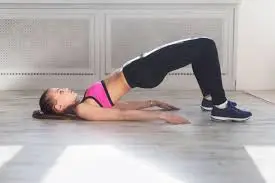

Bodyweight Exercises for Beginners at Home
For people who are interested in fitness or who are simply trying to stay active, not having gym equipment can be a major hassle. You know, you have all those nice resistance levels and options with gym equipment.
The truth is that you can still achieve an amazing workout with your body weight, even if you don’t have access to expensive machines. Although bodyweight exercises may seem limiting at first, they are quite efficient for achieving fitness objectives when performed correctly and in a variety of ways.
Let’s discuss how to deal with the lack of gym equipment and accept the advantages of bodyweight exercises as your favourite type of exercise.
Body Weight Exercise: What Is It?
Callisthenics, often known as bodyweight exercises, are a very effective and versatile kind of exercise that uses only the resistance that comes from one’s own body weight. Without the need for pricey gym equipment or weights, these exercises provide a comprehensive approach to fitness by covering strength and resistance training, endurance, flexibility, and functional fitness. Because they can be done almost anyplace, they appeal to beginners and make fitness accessible to a wide range of people.
The main benefits of bodyweight:
The versatility of bodyweight exercises is one of their main benefits. There are bodyweight exercises that can help you increase your cardiovascular health, muscle mass, or general athleticism. The range of exercises, which includes bodyweight squats, planks, lunges, and push-ups, enables people to tailor their routines to meet their fitness goals.
Furthermore, bodyweight exercises assist people in developing functional strength, which increases their capacity to carry out daily tasks more easily and with a lower chance of injury. They are, therefore, a great option for anyone looking for an economical and effective way to improve their physical health and fitness.
Advantages of Bodyweight Exercise
- Improved Muscle Growth and Strength
Bodyweight exercises are a great way to tone and increase muscle. They target a number of muscle areas, such as the back, shoulders, legs, core, and chest. You may build balanced strength with these exercises, which can be customised to work a particular muscle group or the entire body.
- Functional Fitness
Bodyweight exercises are great for increasing functional fitness since they frequently replicate natural movements. Bodyweight exercises that build functional strength can improve your capacity to carry out daily actions like bending over, climbing stairs, and carrying goods.
- Convenience and Accessibility
The ease of use and accessibility of bodyweight exercises are one of the main benefits. You can do them almost anyplace, whether you’re travelling, at home, or in a park. Body weight exercises are an affordable workout alternative because they don’t require costly equipment or club memberships.
- Controlling Weight and Losing Fat
When paired with a balanced diet, a regular bodyweight exercise program can help you lose fat and control your weight by boosting your metabolism and assisting in the creation of a calorie deficit. They are an effective method of increasing lean muscle mass and burning calories.
- Flexibility and Independence
With the variety of bodyweight exercises available, you may design interesting and varied regimens. This diversity can help you avoid plateaus in your fitness improvement and workout routine.
- Increased Mobility and Flexibility
Compound movements are used in many bodyweight workouts to increase mobility and flexibility. Increased range of motion can eventually result in a lower chance of injury and greater physical health in general. Exercises that are especially good for developing the core are planks and hanging leg lifts.
- Cardiovascular Strength
Certain bodyweight exercises combine strength and aerobic training, like jumping jacks, pull-ups, burpees, and mountain climbers. Both endurance and general cardiovascular fitness can be enhanced by these aerobic exercises.
- No Age Restrictions
People of all ages and fitness levels can benefit from bodyweight workouts since they are inclusive and adaptable. These advantages of bodyweight exercises can help older persons maintain their general health, bone density, and muscular mass.
- Advancement and Adjustment
By varying factors like repetitions, sets, speed, and exercise variants, you may increase the difficulty of bodyweight workouts as your level of fitness increases. These bodyweight exercises can also be used with weight training or a cardiovascular workout. Your workouts will continue to be interesting and successful over time because of this adaptability.
Bodyweight Exercises
Air Squats:

Your quadriceps, hamstrings, and glutes will all get stronger with air squats. To finish the manoeuvre, take these actions:
- Maintain a shoulder-width distance between your feet. As though you were seated in a chair, lower your hips back and down. Go as low as you can without sacrificing your lower back’s organic curve.
- To go back to standing, drive through the feet. As you get up, imagine pushing the floor away from you. Don’t let your heels carry your weight.
- Do the exercise again. Be sure to maintain a tight core and a lofty chest. Your abdominal and entire lower body should feel active.
Other Options
- Try stepping in front of a chair or your couch to turn it down. Stand back up after tapping the bottom of the chair with your butt.
- Step it up: Quicken the pace. As you move quickly, be sure to keep your form solid and drop it low. Don’t shorten the movement.
Push-Ups
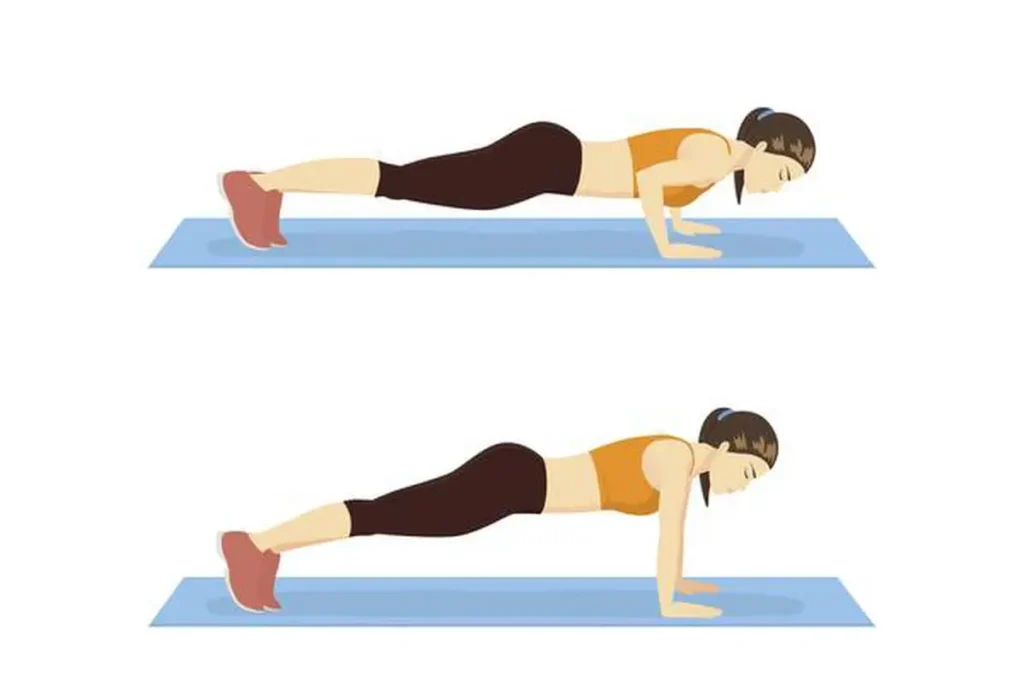
Push-ups strengthen your arms, chest, and core muscles, among other body areas. To perform them, follow these steps:
- Place your shoulders over your wrists to begin in the plank posture. Using your core, form a straight line from your shoulders to your heels.
- Lower yourself gradually toward the floor while bending your elbows back 45 degrees.
- Repeat after pressing yourself back up while keeping your plank form solid.
- Ensure that the elbows are at a 45-degree angle. It’s hard on your shoulders to send them out to the sides like a goal post.
Other Options
- Turn it down: In a modified plank, execute the same motion with your knees down. Another option is to practice the same motion with your hands on a couch or other safe, raised surface.
- Turn it up: Do a standard push-up, but take your time lowering yourself. Before you touch the floor, try to count to five or six.
Bulgarian Split Squats
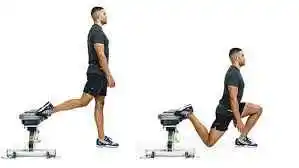
You must raise one leg behind you on a bench, chair, box, or couch to perform this variation of the squat. To finish the manoeuvre, take these actions:
- Position yourself slightly less than a leg’s length away from the raised surface. On the bench behind you, place the top of your right foot. Maintain your left foot’s heel on the ground.
- Lower yourself until the front knee bends 90 degrees or your left knee contacts the floor.
- To get back up, drive through the front left foot and then do it again.
- To stand back up as if you were forcing the floor away, press through the big toe and heel of your front foot and keep your core active throughout the entire movement. By the final rep, your quadriceps and glutes should be burning.
Other Options
- Turn it down: This exercise tests your balance and works your legs, glutes, and feet. If you have to keep it shallow, go as low as you can.
- Turn it up: Lower down and come up halfway to add a half rep. Before you stand all the way to the peak, lower yourself back down.
Superman Pull

One of the greatest bodyweight workouts for strengthening your back and correcting your posture is the Superman pull. Here’s the method:
- Stretch your arms out in front of you while lying face down on the floor.
- To lift your arms and torso off the ground, contract your upper back muscles. Engage your glutes and raise your feet.
- Maintain this posture, then contract your lats and pull your elbows down by your sides to create a W-shape with your upper body. Repeat after punching your arms out in front of you.
- Maintain a downward posture and keep your shoulders away from your ears by using your core. Look down and forward a little to keep your spine neutral. Squeeze your back muscles intentionally and concentrate on them to establish the mind-muscle connection.
Other Options
- Turn it down: After every W-shape pull, lower it down. You can also concentrate on your upper body by keeping your feet off the ground.
- Turn it up: To extend the period under stress, hold the W-shape for 20 to 30 seconds. Your muscles might work harder with this version, which can increase your gains.
Bird Dog
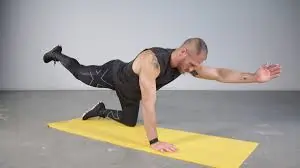
Since the bird dog is a core exercise, keep your back flat and contract your abdomen. To finish the manoeuvre, take these actions:
- Place your knees beneath your hips and your shoulders directly above your wrists to begin on all fours.
- Straighten your left leg and right arm such that they are in alignment with your hip and shoulder. Return to the all-fours position after holding for a short while.
- Straighten out your right leg and left arm. After a few seconds of holding, go back to the beginning position. Keep switching.
- Keep your hips and shoulders level with the floor. To lengthen your leg, flex your feet and apply pressure through your heel.
Other Options
- Turn it down: Instead of extending an arm and a leg together, extend one arm and one leg at a time. This helps you maintain your balance and concentrate on your form by slowing down the action.
- Step it up: Perform the same exercise while standing on a plank. Lift the arm and leg on the other side, hold it for three to six seconds, then lower it back down and swap sides.
Mountain Climbers
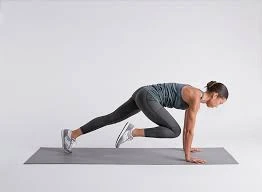
In addition to raising your heart rate, mountain climbers help build stronger arms and core muscles. Here’s the method:
- Place your shoulders over your wrists to begin in the plank posture. From your shoulders to your heels, make a straight line.
- Drive one knee to your chest while maintaining good form, then quickly return to the plank.
- Step back to the plank right away after driving your other leg toward your chest. Keep switching as quickly as you can.
- To maintain a strong foundation of support as you use your upper body to push the floor away from you, keep your shoulders above your wrists and avoid letting your hips rise or fall.
Other Options
- Turn it down: If you want to keep a sturdy board, go slowly. Avoid sacrificing your form in order to finish the manoeuvre fast.
- Turn it up: In the plank position, increase the pace to that of a sprint. Increase your heart rate, but avoid letting your speed degrade your form.
Pistol Squat

As you age, this squat variation helps you avoid falls and injuries by improving your balance. To finish the manoeuvre, take these actions:
- Place your feet shoulder-width apart and tip your toes forward as you stand. Extend your left leg until your heel is a few inches off the ground, flex your left foot, and shift your weight to your right leg.
- Squeeze your quadriceps, hips, glutes, and upper back while bracing your core.
- Return to a squat position. As you lower, keep a tiny forward lean and raise your arms to compensate.
- To stand up, drive up through your right foot after lowering as far as you can. Keep your body tense. After repeating, switch sides.
- Next to your big toe, align your knee with the second toe. Maintain pressure on your big and pinky toes as well as the heel of your standing leg. Consider your foot to be three points of contact on a tripod.
- If you are working on the go, you can always squat on a chair, bench, or couch.
Other Options
- Turn it down: Don’t let the move go apart. You can also sit with one foot planted and the other out in front of you, a few inches off the ground, on a tall chair, bench, box, or couch.
To change the move, take these actions:
Your arms should be out in front of you. As you drive your arms down and place your foot on the floor to stand up, lean back and rock forward to generate momentum.
Just a small portion of your weight should be transferred to the ball of your foot.
Repeat after lowering yourself back to the seat. When you’re prepared for the next step, take the rocking off.
- Turn it up: If your handgun is crouching down, you can go back and pick up some weight, such as dumbbells. As you descend and stand, you can also slow down and concentrate on control.
Plank Up-Downs

Plank up-downs will strengthen your shoulders and abs, but don’t forget to engage your legs and clench your glutes as well. Here’s the method:
- Place your shoulders over your wrists to begin in the plank posture. From your shoulders to your heels, make a straight line.
- With your shoulder above your elbow, lower one forearm to the floor. Continue on the opposite side.
- Repeat on the other side after placing one palm back on the ground with your arm outstretched. Keep switching.
- Throughout, keep your shoulders packed over your elbows or wrists. Your elbows are just being replaced by your hands, and vice versa.
- Make sure your hips and shoulders are aligned. Don’t drop them or pick them up.
Other Options
- Turn it down: To finish the exercise, place your knees on the floor in a modified plank posture. With this variation, you are supporting less body weight.
- Turn it up: Quicken as much as you can without sacrificing form. To test your stability and ensure you don’t let it fall, you can also rest a small pillow or yoga block on your back.
Alternating Side Lunge
The glutes and inner thigh muscles are strengthened by the alternating side lunge. To finish the manoeuvre, take these actions:
- Tip your toes forward and stand with your feet hip-width apart.
- Place your right foot out to the right, at three o’clock. Lower yourself while sitting your butt back and bending your right knee. Maintain a straight left leg.
- To stand again, drive out of the right heel. Continue alternating and repeat on the left side.
- As you lower into the lunge, maintain a neutral spine and place most of your weight in your heel. Picture yourself leaning back in a chair behind you. As you lower yourself into the lunge, you want your hips to go straight back.
- Even when you are taking a stride in that direction, do not push your weight to the side.
Other Options
- Turn it down: The lunge should not be as low. By making this adjustment, you can lessen the strain on your lower body.
- Turn it up: Drive your knee toward your chest, add a hop at the peak of the move, and stick to one side at a time. Another option is to attempt skaters: While maintaining a low lunge position, hop from side to side.
Superman

This exercise helps strengthen and stabilise your lower back, which can help you have better posture. Here’s the method:
- With your arms out in front of you and your legs straight out, with your thumbs up, lie face down on the floor.
- Raise your arms and legs a few inches off the ground by contracting your glutes, legs, and upper back muscles. Repeat after holding and lowering.
- Raise your legs and chest as high off the floor as you can. To maintain a neutral spine, look toward the ground and slightly forward while keeping your shoulders relaxed and away from your ears. Pay attention to using your entire back.
Other Options
- Turn it down by raising your opposing arm and leg, holding it for a little while, lowering it, and then switching sides. Keep switching.
- Turn it up by sweeping your arms behind your back and around at the peak of the move. Clasp one hand over the wrist of the other person or interlock your fingers. Squeeze your upper back, then go back to where you were before. Shoulder mobility is necessary for this manoeuvre.
V-Up

V-ups work the muscles in your core. To finish the manoeuvre, take these actions:
- Place your arms overhead and your legs straight out on the floor, face up.
- As you drop your arms to end parallel to the floor, raise your legs and torso into a V form.
- Return to the floor slowly, then do it again.
- As in yoga’s boat pose, try to reach your tailbone. At the summit, sit tall. To give your abs even more heat, control your movement as you lower yourself back to the floor.
Other Options
- Turn it down: Bend your knees at the top rather than maintaining a straight posture throughout. Move them to the top of the table.
- Turn it up: For ten seconds, hold the V-shaped top of the movement. Before repeating, slowly lower yourself back down.
Burpees
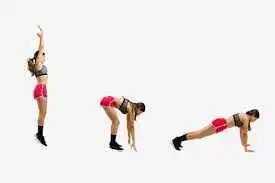
Your heart rate will rise during this full-body workout, which will increase your cardiovascular endurance. Here’s the method:
- Place your hands beneath your shoulders and crouch down after beginning in a standing position.
- To get to the top of a push-up position, jump your feet back.
- Push yourself back up after lowering your body to the ground. Jump your feet back up to your hands right away.
- Leap straight up and drive up through your heels. Raise your hands in the air. Repeat after a gentle landing.
- Avoiding back arching or rounding is essential for a successful burpee. Maintain a neutral spine alignment and a strong core.
Other Options
- Turn it down: Get rid of the jumps. In the burpee, take steps forward and backwards and, rather than hopping, come to your toes at the top. Another option is to hit a plank at the bottom of the manoeuvres while keeping your chest off the ground.
- Turn it up: Aim for speed without sacrificing technique. Both your strength and, more importantly, your cardiovascular ability will be put to the test.
Exercise Program Using Bodyweight
Warm-up
Shoulder Rolls
Start by standing up straight and keeping your feet hip-width apart while keeping your head, shoulders, hips, and legs in proper alignment. Second, contract your core, raise your shoulders, and then roll them back until your shoulder blades start to resist. Third, let your shoulders drop to the beginning posture. After that, repeat the motion in the other way. Do ten repetitions in each direction in a single set.
Standing Twist
First, stand up straight with your feet hip-width apart, keeping your head, shoulders, hips, and legs in proper alignment. In the second position, position your right arm on your right shoulder and your left arm on your left. Thirdly, keep your hips locked in the forward posture while twisting slightly from side to side while using your core. After that, repeat the motion. Perform ten repetitions.
Squat.
Start by standing up straight with your feet shoulder-width apart, keeping your head, shoulders, hips, and toned legs in proper alignment. Second, tighten your abdominal muscles while placing your hands on your hips. Third, enter a low squat position by bending your knees and hinging through your hips. Fourth, maintain a knee-to-toe position. Finally, squeeze your glutes at the top position as you lift yourself back up to an upright standing position. Begin with a single set of ten reps.
Lunge Laterally
In order to maintain proper alignment with the head, shoulders, and hips, start by standing erect with your feet significantly wider than shoulder-width apart. Second, engage your core by placing your hands on your thighs or both hands on one leg.
Third, stack your hip over your knee and ankle by bending your left leg, which will shift your body weight to one side. In order to go back to the beginning posture and repeat the exercise on the other side, push back through your heel. Begin with a single set of ten reps, switching sides.
Hamstring Stretching While Standing
First, start by standing up straight and keeping your head, shoulders, hips, and legs in proper alignment. Second, flex your foot such that your toes point upward and straighten one leg. Third, lean your upper body forward while maintaining a straight back by using your core and hinging through your hips.
Fourth, stay in this posture for a short while. To go back to the beginning position and repeat the movement, straighten up again at this point. Begin with one set of ten reps on each side.
Routine
Low Squat Using a Chair
- You can utilise a chair for support and balance throughout this workout.
- In order to maintain proper alignment with your head, shoulders, and hips, start by standing up straight in front of a chair with your feet slightly wider than shoulder-width apart. Second, contract your core muscles and place your palms together in front of your body at chest height. Third, lower yourself into a seated position on the chair by bending your knees and hinging through your hips. Finally, squeeze your glutes at the top as you raise yourself back to an erect standing position. After that, repeat the motion. Begin with a single set of ten reps.
Chair-Assisted Lateral Leg Lifts
- You can utilise a chair for support and balance throughout this workout.
- Start by standing up straight and keeping your legs hip-width apart while keeping your head, shoulders, hips, and legs in proper alignment. Second, place the opposite hand on your hip and use the first hand to balance by holding onto the back of the chair. Third, raise one leg out to the side, preferably to a 30 to 45 degree angle, using your core. Fourth, maintain a forward-pointing toe position. Lastly, repeat the movement by lowering your leg to the beginning position. Begin with one set of ten reps on each side.
Knee Drive Into Leg Extension
- You can utilise a chair for support and balance throughout this workout.
- First, start this lower-body chair exercise by standing up straight and supporting yourself with one hand on the chair’s back while keeping your head, shoulders, hips, and legs in proper alignment. The second step is to inhale deeply, raise one knee to your chest, and then extend it back behind your body, preferably parallel to the floor. Finally, return to the beginning position by lowering your leg and repeating the series of motions. Begin with one set of ten reps on each side.
Cat-Cow
- Start by standing up straight and keeping your feet hip-width apart while keeping your head, shoulders, hips, and legs in proper alignment. Put your hands on your thighs second. Third, arch your mid-back, turn your head upward, and tighten your abdominal region. Next, carefully bring your head down to your chest while rounding out your center back. Begin with a single set of ten reps.
Lunges
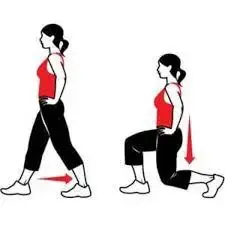
- For balance and support throughout this exercise, you can utilise the back of a chair, couch, or wall.
- Start by standing up straight and keeping your feet hip-width apart while keeping your head, shoulders, and hips in proper alignment. Second, use your core and balance by holding onto the back of a chair with one hand.
- Third, keep your toes pointed straight ahead as you take a large stride back with one foot and lower your back knee towards the floor. Lastly, return to a standing, upright position and repeat the motion on the other side. Begin with one set of ten reps on each side.
Chair Lunges

- First, start by sitting up straight and keeping your hips, shoulders, and head in ideal alignment while keeping your feet flat on the floor. Second, rotate your body so that you are only occupying half of the seat and are seated on the front of the chair. Third, put your hand on the chair’s back for support and extend your outside leg back. Fourth, use your opposing arm to reach over your head while bending your upper body towards the chair and using your core. Lastly, maintain this posture for a few deep abdominal breaths, taking them via your nose and exhaling them through your mouth. Repeat the movement on the other side after you’ve returned to the beginning position.
- Start by sitting up straight and keeping your hips, shoulders, and head in proper alignment while keeping your feet flat on the ground. Next, place one ankle over the knee on the other side. Third, bend your upper body forward by using your core and hinging through your hips. Lastly, maintain this posture for a few deep abdominal breaths, taking them via your nose and exhaling them through your mouth. Repeat the movement on the other side after you’ve returned to the beginning position.
- To make this exercise easier, extend your legs and cross your ankle over your opposing shin.
Conclusion
Bodyweight workouts are a great complement to any fitness program because of their many advantages. Without the need for specialised gym equipment, these exercises enable people to reach their fitness objectives, increase cardiovascular fitness, increase flexibility, and build strength. Bodyweight exercises are a great option for people looking for time- and money-efficient ways to keep active and maintain their general health because of their accessibility and convenience.
These Bodyweight Exercise Benefits not only increase physical strength but also promote a healthier, more active lifestyle by utilising the power of one’s own body weight. Bodyweight exercises thus prove to be dependable and efficient training partners, whether they are used as the mainstay of a fitness program or without the use of gym equipment.
FAQs
What exactly constitutes a bodyweight exercise?
Bodyweight workouts train all of your muscles, including the heart, while increasing your endurance. Bodyweight workouts offer limitless diversity and may be tailored to any current living scenario. Whether you have ten minutes or an hour, follow the basic technique below to keep your muscles guessing.
How can a beginner perform a bodyweight HIIT exercise?
An overview of the structure of bodyweight exercises may be found in the list below. The following exercises are performed in two rounds during the 30-minute bodyweight HIIT workout for beginners. Spend 25 seconds on each exercise, followed by a 25-second break. You can perform the beginner’s bodyweight workout by yourself using this list of exercises.
What is the ABC bodyweight exercise program for beginners?
You’ll start on the right track with our ABC beginner bodyweight training routine. Even if you have never trained before! ABC stands for All Bases Covered in this specific case.
Reference
- Kaselj, R. (2025, April 5). Benefits of bodyweight exercises. Lifelong Wellness. https://www.lifelongwellness.org/wellness-academy/fitness/benefits-of-bodyweight-exercises/
- Ace-Cpt, M. C. (2025, February 6). Bodyweight Exercises 101: 12 moves you can do at home. Health. https://www.health.com/fitness/bodyweight-exercises
- Dagwal, A. (2025, September 5). 20 Bodyweight exercises for beginners: Complete home training system. Indian School of Callisthenics. https://indianschoolofcalisthenics.com/bodyweight-exercises-for-beginners