
How to Gain Weight Fast: Tips to Be Safe and Healthy
Introduction
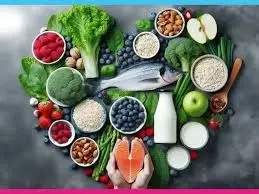
You can gain weight in a healthy way by changing your diet to include more protein, carbs, and healthy fats. Additionally, you can try eating shakes, nuts, and dried fruit.
Being naturally underweight due to genetics or having a fast metabolism are just two of the many reasons why someone might want to put on weight. Additionally, being underweight may be a sign of inadequate nutrition or underlying medical issues.
Furthermore, many people who are not clinically underweight may still have other motivations for wanting to put on weight and build muscle.
It’s crucial to gain weight safely, though. This can involve eating more foods high in nutrients and leading a generally healthy lifestyle, which includes getting enough sleep and, if at all possible, lowering stress.
You can employ a number of different tactics, regardless of the reasons behind your desire to put on weight.
Increase your caloric intake
Eating more calories than your body requires, or creating a calorie surplus, is the most crucial thing you can do to put on weight.
You can use this calorie calculator to find out how many calories you need.
Using the calculator, try to aim for 300–500 calories more than your daily calorie intake if you want to gain weight gradually. Aim for 700–1,000 calories more than your maintenance level if you want to put on weight quickly.
Remember that calorie calculators only give you an estimate. Give or take a few hundred calories a day, your needs might differ.
For the first few days or weeks, it can be helpful to keep track of your caloric intake, but it’s not necessary to do so continuously. Numerous excellent tools are available to assist you.
Increase your protein intake.
Consuming adequate high-quality proteins is crucial for healthy growth, development, and overall well-being.
According to a 2020 study involving 23 participants, eating more protein can aid in the growth of lean muscle mass.
Adults are advised by the Food and Drug Administration (FDA) to consume 50 grams (g) of protein per day. Individual differences may exist, though, and are influenced by things like age, sex, and medical background.
The following foods are high in protein:
- meats
- fish
- eggs
- dairy products
- legumes
- nuts
If you have trouble getting enough protein in your diet, you may also benefit from taking protein supplements, such as whey protein.
Protein may, however, also dramatically decrease appetite and hunger, which makes it more difficult to consume enough calories.
To find out if increasing your protein intake would help you reach your weight gain goal in a safe manner, think about consulting a physician.
Boost your consumption of
Although carbohydrates by themselves won’t make you gain weight, they can be a fantastic way to increase your caloric intake.
Foods that are high in beneficial carbohydrates include:
- oats
- quinoa
- fruits, like oranges, bananas, and blueberries
- sweet potato
- buckwheat
A balanced diet must include carbohydrates. A number of variables, including your age, sex, and general health, can affect how much you should try to eat each day. But generally speaking, experts advise that 45–65% of your daily caloric intake should come from
Consume more foods high in energy.
It’s crucial to make sure your diet contains a lot of foods high in energy. These foods have a high calorie content in relation to their weight.
This can be aided by using a variety of sauces, condiments, and spices. It might be simpler to eat more if your food tastes better. Additionally, toppings may increase caloric intake.
The following foods are high in energy and could contribute to weight gain:
- peanuts, macadamia nuts, walnuts, almonds, and
- Dates, raisins, prunes, and other dried fruits
- dairy products high in fat, such as cheese, cream, whole milk, and full-fat yogurt
- Avocado oil and extra virgin olive oil are examples of fats and oils.
- Oats and brown rice are examples of grains.
- Meat, including beef, pork, lamb, and chicken; you can also select cuts that are fattier.
- Tubers, such as sweet potatoes, yams, and potatoes
- Other high-energy foods include trail mix, peanut butter, coconut milk, avocados, dark chocolate, and granola.
Avoid consuming too much fruit and vegetables if you’re concerned about gaining weight. You may feel fuller more quickly thanks to the fiber in fruits and vegetables, which will reduce your need for foods high in energy.
Other brief advice
Here are some additional tactics that could speed up your weight gain:
Avoid drinking water before meals: This can make it more difficult to consume enough calories because it will fill your stomach.
Try weight gainer shakes: This can make it more difficult to consume enough calories because it will fill your stomach.
Use bigger plates: If you want to consume more calories, use large plates because smaller plates may lead to people eating less.
Take creatine: Gaining muscle mass can be facilitated by the muscle-building supplement creatine monohydrate.
Get quality sleep: Maintaining a healthy sleep schedule is crucial for muscle growth.
Avoid smoking, and if you smoke, consider quitting: Quitting smoking frequently results in weight gain, and smokers typically weigh less than non-smokers.
How can I put on weight without eating too much in food?
It is likely that you will need to consume more calories in order to gain weight.
Starting a resistance training program will help you avoid overeating and make sure that extra calories are used by your muscles rather than just your fat cells.
Bodyweight exercises and free weights are both part of resistance training, also known as strength training. Increased muscle mass results from muscle hypertrophy brought on by resistance training.
Beyond the lean body mass gains that resistance exercise alone can provide, protein supplements combined with resistance training can also encourage additional gains.
According to one study, giving healthy adults protein supplements after six weeks of resistance training enhanced their lean mass gain by 27%.
If it’s possible for you, take a class or hire a certified personal trainer to help you get started if you’re new to training.
If you have any bone concerns or other health conditions that could make exercise challenging, think about consulting a physician.
Things not to do when you’re gaining weight
When trying to put on weight, one must be cautious to stay away from the following:
Inadequate cardiovascular exercise
Cardiovascular activity, which is crucial for keeping the heart, lungs, and brain healthy, is sometimes ignored by people who are attempting to put on weight. For cardiovascular activity, running, swimming, and cycling are all appropriate.
Instead of completely skipping aerobic exercise, those who are eager to gain weight should consider limiting it to about 20 minutes three times a week.
A diet with few vegetables
Even though they are low in calories, many veggies are satisfying. It is essential, therefore, that they not be cut out of the diet in order to acquire weight. Malnutrition may result from consuming insufficient amounts of vegetables, which are an essential source of vitamins and minerals.
Giving up too quickly
It may take perseverance and patience to gain weight safely. Results aren’t always seen right away. Since everyone is unique, some people may require more time than others.
If a person has any concerns, they can contact a healthcare provider.
The Top 18 Nutritious Foods to Put on Weight Quickly
Dairy products made with whole milk, fats and oils, complex carbs, and plant and animal protein are often the greatest foods for weight growth. Your own weight and health objectives, however, will determine what you should eat.
For others, putting on muscle or gaining weight might be just as challenging as losing weight.
The goal of weight gain is to consume more calories than you burn over the day by eating smaller, more frequent meals.
Certain foods can give you extra calories and nutrients, such as protein, to help you gain weight in a safe and efficient way.
The top 18 foods that help you build muscle or gain weight in a way that suits you are listed below.
1. Protein smoothies made at home
Making protein smoothies at home can be a very healthy and efficient method of gaining weight.
You can increase your calorie intake and have complete control over the ingredients when you make your own smoothies.
You might try these delicious variants. If you are intolerant to lactose, you can mix each with two cups (470 mL) of dairy or soy milk.
Chocolate banana nut shake: Mix together 1 banana, 1 tablespoon (15 mL) of peanut butter or similar nut butter, and 1 scoop of chocolate whey protein.
Vanilla berry shake: One cup (237 mL) of whole milk Greek yogurt, one scoop of vanilla whey protein, one cup (237 mL) of fresh or frozen mixed berries, and ice should all be combined.
Super green shake: Add one scoop of vanilla or unflavored whey protein to one cup (237 mL) of spinach, one avocado, one banana, and one cup (237 mL) of pineapple.
In addition to having a high protein content and other essential vitamins and minerals, each of these smoothies offers 400–600 calories.
Summary
A portable protein smoothie that suits your tastes is a fantastic way to up your daily caloric intake.
2. Dairy milk
For decades, people have been using dairy milk to gain weight or build muscle.
It offers the right proportions of lipids, carbohydrates, and proteins and is a good source of calcium and other vitamins and minerals.
Milk contains both casein and whey proteins, making it a great source of protein if you’re attempting to gain muscle. A 2018 assessment of studies found that when paired with weightlifting, cow’s milk can help you gain muscle.
Milk, or the combination of whey and casein protein, has also been shown in tests to promote more bulk gain than other protein sources.
If you’re training for a quick 149 calories and 8 grams (g) of protein per serving, try one cup (237 mL) of whole milk as a snack, with a meal, or before and after a workout.
Summary
One of the best ways to increase your protein intake is to drink milk. Both casein and whey proteins, which are associated with promoting muscle building, are included in it.
3. Rice
A weight-gain diet plan may include rice as a cheap and easy source of carbohydrates. There are just 204 calories, 44 g of carbohydrates, and very little fat in 1 cup (158 g) of cooked white rice.
Additionally, a single serving of rice can provide a significant number of calories and carbohydrates due to its relatively high calorie density. Especially if you don’t feel particularly hungry or feel full easily, this encourages you to eat more.
Two-minute packets of microwaveable rice can be added to other protein sources when you’re pressed for time or on the road.
Another common technique is to make a big pot of rice, freeze or chill individual servings, and then mix it with other fats and proteins to provide a variety of meals all week long. A basic grain like rice can help you eat smaller, more frequent meals throughout the day.
Mixing some of these ingredients into cooked rice is the simplest way to increase its flavor, calories, and protein content:
- Parmesan cheese and butter
- Cheese and broccoli.
- The scrambled eggs
- cashews, peanuts, or roasted sesame seeds
Rice can also be topped with a sauce, like this:
- curry
- pesto
- alfredo
It’s easy to turn a rice dish into a whole supper. For a well-balanced lunch (400 calories per dish), try this wild rice and chicken greens.
Summary
Rice is a calorie and carbohydrate source that can be included in a variety of smaller, more frequent meals throughout the day.
4. Nuts and nut butter
A weight-gain-oriented diet can benefit from a bit of nuts and nut butter.
A small handful of raw almonds (1/4 cup, or roughly 32 g) has 15 g of fat, 6 g of protein, and 170 calories.
Just two handfuls of nuts, either as a snack or with a meal, can quickly accumulate hundreds of calories because they are high in calories.
Nut butter can be quickly added to a wide range of foods and snacks, including crackers, yogurts, and smoothies, to make them high in calories.
With just three ingredients and 270 calories from whole milk, this peanut butter banana smoothie is a great option for a quick pick-me-up. Use a different safe, well-tolerated nut or seed butter if you are allergic to peanuts or other nuts.
But be careful to use 100% nut butter that hasn’t had any added sugar or oils. Alternatively, you can use this recipe for homemade almond butter to make your own. Making it is simple, and it’s also inexpensive.
Summary
Nuts and nut butter are tasty but high in calories. They are nutrient-dense, high in fat, and simple to include in a variety of meals or snacks.
5. Red meats
Probably one of the best foods for gaining muscle is red meat, such as beef or pork.
For instance, 228 calories, 24 g of protein, and about 2.5 g of leucine are included in 3 oz (85 g) of steak.
Your body needs leucine, a crucial amino acid, to promote the synthesis of muscle proteins and build new muscle.
Furthermore, dietary creatine, a substance essential for promoting general muscle growth, size, strength, and health, is found naturally in red meats.
Even while lean meats, such as pig tenderloin, are high in protein and nutrients, you should choose fattier cuts to help you consume more calories because they have more calories than leaner meats.
When combined with strength training, consuming meat—especially red meat—helps increase muscle mass and can stop the aging-related loss of muscle mass, according to a 2022 review of the literature.
The review also emphasizes the connection between colon cancer and consuming a lot of red meat. The current recommendation, according to the authors, is to consume no more than 50 g of red meat daily.
Summary
When combined with resistance training, red meat is a great source of protein that may aid in muscle growth. Leucine, an amino acid that aids in promoting muscle protein synthesis, is present in it. Meats with higher fat content contain more calories.
6. Complex carbs and potatoes
Complex carbs like potatoes are an inexpensive way to up the calorie content.
Energy from complex carbs can be released gradually. They also provide other minerals and food groups, such as potassium, fiber, veggies, or whole grains.
Try to choose one of these sources of complex carbs:
- quinoa
- oats
- corn
- buckwheat
- potatoes and sweet potatoes
- squash
- winter root vegetables
- beans and legumes
In addition to increasing calorie intake, complex carbohydrates like potatoes also cause muscle to store more glycogen, which is a complex sugar molecule. Glycogen is the main fuel used in the majority of sports and activities.
The resistant starch found in many of these carbohydrate sources may also support the growth of your gut flora.
This substantial quinoa and roasted sweet potato bowls lunch recipe (336 calories per serving) allows you to eat both sweet potatoes and quinoa.
Other ways to add calories to complex carbohydrates include:
- Sour cream added to potatoes
- adding grated cheese to mashed potatoes or quinoa
- adding fats to your vegetables, such as avocado or olive oil
- incorporating hummus into baked potatoes, crackers, or whole grain bread
- Making oats or other hot cereals using dairy or soy milk instead of water
Summary
Complex carbohydrates can enhance vital nutrients and calories and improve your muscle glycogen storage.
7. Salmon and oily fish
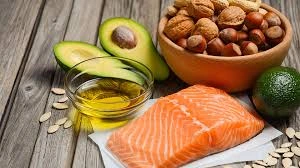
Salmon and oily fish, like red meat, are great suppliers of protein and essential lipids, such as omega-3 fatty acids.
In addition to their many health benefits, omega-3 fatty acids may also lower the risk of heart disease and other illnesses.
Three ounces (85 g) of deboned wild Atlantic salmon contains about 155 calories, 7 g of fat, and 22 g of high-quality protein, which can help you gain weight or develop muscle.
There are several ways to cook salmon, including poaching, grilling, smoking, sautéing, baking, and steaming. Salmon can also be eaten raw in sushi and sashimi, or it can be smoked. Canned salmon is a convenient and affordable alternative to fresh or frozen salmon, which are often slightly more expensive.
The following are easy and delicious ways to incorporate salmon into your diet:
Tuna salad: Try using canned salmon in place of your typical “tuna” salad, and for added calories, add some mayonnaise or olive oil.
Cobb salad: Make a Cobb salad with canned salmon instead of the usual chicken, then add lettuce, tomatoes, bacon, avocado, and a hard-boiled egg.
Give smoked salmon a try: Top with smoked salmon, cucumber, tomato slices, or capers, then spread cream cheese over whole grain bread or crackers.
Salmon salad: Combine salmon, asparagus, and leafy greens with sour cream.
Summary
Magnesium-rich omega-3 fats are rich in fatty fish, such as salmon. They also supply high-quality protein, which could aid with muscular growth.
8. Protein supplements
Protein supplements are a popular tactic used by bodybuilders and athletes who wish to put on muscle and gain weight. Numerous varieties of protein supplements are available, such as:
- whey
- soy
- egg
- pea
Mass gainers, or supplements that may help you gain muscle mass, and whey protein supplements can both be useful weight-gain tactics, particularly when paired with strength exercise.
When paired with resistance exercise, protein supplementation at or above 1.6 g of protein per kilogram (or per 2.2 pounds) of body weight per day increased lean body mass and lower body strength, according to a 2022 evaluation of 74 studies conducted in otherwise healthy individuals.
Usually made from dairy milk, whey protein can enhance indicators of athletic performance and recuperation.
Your daily protein needs may increase if you’re also doing weights, making protein supplements even more crucial.
Whey protein contains all of the essential amino acids needed for muscle building, as do other plant-based protein isolates like soy.
You can take a protein supplement at any time of day, even before or after your workout.
Protein smoothies are the simplest method to incorporate protein powder and additional calories into your diet, especially in the morning. For the remainder of the day, you can incorporate wholesome meals and snacks to ensure that your nutrient consumption is balanced.
For a high-energy breakfast to start the day, try this simple whey protein smoothie recipe. Add chia seeds, peanut butter, almond butter, or flaxseeds for even more calories and protein.
To boost the protein content of foods like soups, mashed potatoes, and oats, you can add unflavored whey protein. Protein isolates that are easily absorbed and digested are also used in ready-to-drink “clear” protein supplement beverages.
Summary
Adding protein supplements to your weight gain diet is an easy and cost-effective way to boost your daily protein intake. To boost protein and calories, mix protein supplements with fats in shakes or smoothies.
9. Dried fruit
Calories, micronutrients, and antioxidants are all found in dried fruit.
There are numerous varieties of dried fruit available, and they are all naturally high in sugar. Because they are tasty and easy to eat, they can be mixed with other protein sources like cheese, meat pieces, or whey protein shakes.
Additionally, they go nicely with whole plain Greek yogurt and nuts, offering a combination of essential nutrients, protein, and lipids.
Fruit that has been dried retains the majority of its vitamins and minerals and has a high fiber content.
Dates are nutrient-dense, high in antioxidants, and packed with fiber. Despite being a high-calorie snack, they are also adaptable and easy to make. There are roughly 130 calories in only two Medjool dates.
Try stuffing dates with cooked grains like quinoa or rice, cream cheese, or nut butter. To add a little sweetness to sauces, dressings, and smoothies, add one or two dates.
Summary
Antioxidants, fiber, and calories are all found in dried fruit. It’s a simple approach to increase calories and nutrients.
10. Whole grain bread
Whole grain breads are another source of carbohydrates that can be included in a weight-gain diet.
Combining bread with protein sources like eggs, meat, and cheese can result in some well-balanced, high-calorie meals.
Choose natural whole grain and seeded bread when making your purchase.
One of the most convenient, adaptable, and portable meals for boosting your daily caloric intake is a sandwich. Add avocado or nut butter spreads for extra calories.
Try making a sandwich using these recipes. From the classic Reuben to wraps and a variety of creative variations on the classic grilled cheese, you’ll find it all.
Try sourdough bread, which is produced with whole-grain flour. The living beneficial bacteria in sourdough bread may offer additional health benefits, although further human study is required to establish this impact.
Summary
Whole grain breads, particularly when paired with a high-quality protein source or fat-based spreads, can be a useful part of a weight-gain diet.
11. Avocados
Avocados are rich in healthy fats.
When compared to other whole fruits, avocados are rather high in calories.
A large avocado has about 365 calories, 30 grams of fat, and 17 grams of fiber.
Avocados are also rich in a variety of healthy plant components, vitamins, and minerals.
Consider including avocados in salads or omelets.
Avocado toast is one of the most common ways to eat avocado. Simply spread some mashed avocado on your bread. It really is that simple! Add an egg for extra calories and nutrients.
Here are some more delicious ways to eat the calorie-dense avocado:
- guacamole
- soups
- wraps
- fries
- sushi
- as a topping
- as a mayonnaise substitute
- grilled
- baked
- pickled
Summary
Avocados are a great source of essential lipids and nutrients. They are adaptable and can be consumed by themselves or added to a variety of meals to boost your daily caloric intake.
12. Cereals
Cereals can be a great way to get calories, carbohydrates, and nutrients.
One excellent carbohydrate to include in your weight gain diet is oats cooked with full milk.
In addition to the calories from any whole milk or toppings you choose, a serving of 1 cup (237 mL) of cooked oats (or 1/2 cup dry) will provide you with roughly 150 calories.
For more calories, try adding the following to your whole milk Greek yogurt, overnight oats, or hot oats:
- nuts
- nut butter
- dried fruit
- chia seeds
- flaxseed
- fresh berries
- homemade granola
- maple syrup
- honey
Incorporating ready-to-eat cereals into a well-balanced diet plan might also be beneficial for weight growth.
Consuming ready-to-eat cereals also increases intakes of essential nutrients, lowers the risk of high blood pressure, and has positive effects on type 2 diabetes, according to a 2016 assessment of 64 studies.
You could also try to pay attention to these options when buying cereals:
- oats
- granola
- multigrain
- bran
- muesli
When possible, choose ones with the highest fiber content if that makes sense for you.
Granola is a high-calorie concoction of nuts, dried fruit, and cereals. It has vitamins, fiber, and protein. A half cup of granola can provide 200–300 calories.
Summary
Cereals are a fantastic way to boost your weight gain diet’s calorie and nutritional content. Add calorie-dense nut butter, sweetener, or whole nuts and seeds on top of cereals.
13. Cereal bars
When you’re on the road and need calories, several of the healthier cereal bars available can be a wonderful snack. On average, bars have 150–200 calories.
They also contain a combination of fast- and slow-digesting carbohydrates, making them an excellent option before or after a workout.
Consider pairing a cereal bar with cold cuts of meat, boiled eggs, whole milk Greek yogurt, or a protein shake as a snack.
Sometimes you might try creating your own bars. You wouldn’t believe how simple it is.
Make your own cereal bars with these recipes. Frequently, only a few items are required, and you may already have them in your cupboard.
If you’re not good at cooking, however, store-bought cereal bars are an option.
Summary
A convenient, pleasant, and nutrient-dense source of calories for on-the-go eating are cereal bars.
14. Dark chocolate
There are several health advantages and antioxidants in premium dark chocolate.
Dark chocolate that contains at least 70% cacao—the seed used to make chocolate—may be good for your health. Those with kidney illness who consumed 40 g of 70% dark chocolate three times a week for two months showed reduced inflammatory markers, according to a 2023 study.
You can receive calories from dark chocolate without eating much since it has a high calorie density, just as other meals heavy in fat.
About 600 calories and micronutrients, as well as health-promoting substances including fiber, magnesium, and antioxidants, are present in each 100 g (3.5 oz) bar that includes 60–75% cacao solids.
There are more ways to savor dark chocolate than just eating it straight from the bar:
- Top cereal.
- Combine it with granola or trail mix.
- Put it with some fruit.
- Add it to boiling milk and dissolve.
- Dip it in nut butter.
Chocolate truffles, chocolate peanut butter avocado pudding, and energy bites are examples of chocolate sweets that you can prepare.
A variety of dark chocolate varieties and quality can be found in supermarket aisles. Make sure to pick one of superior quality that has at least 70% cacao.
Summary
Dark chocolate is rich in minerals and antioxidants. In an eating plan for weight gain, it might be a sweet component.
15. Cheese
Since ancient times, cheese has been a staple of the diet.
It gives you fats and calories. A single ounce (28 grams) of cheddar cheese contains 110 calories and 7 grams of protein.
An ounce of cheese is roughly the size of two dice.
Cheese can easily add extra calories and is a nice addition to most recipes.
Cheese comes in a myriad of types. See which cheeses fit your palate by looking through this list.
Many cheeses are high in saturated fat. It’s recommended to eat cheeses in moderation, just like most high-calorie meals.
One excellent way to combine calories, carbs, and protein is with macaroni and cheese. Other nutrient-dense additions, such as peas or broccoli, can be added to it as a blank canvas. Think about adding modest amounts of bacon or other meats, such as pulled pork, to provide additional calories and protein.
Give this mac and cheese recipe a try; each serving has 314 calories and contains 1 cup (125 g) of shredded cheddar cheese.
Summary
Cheese has a lot of fat and protein. If you want to add more flavor and calories to your meals, add it.
16. Whole eggs
One of the best foods for growing muscle in the world is eggs. They offer a pleasant, handy, and reasonably priced blend of premium fats and proteins. There are roughly 74 calories in a large raw egg that weighs 2 ounces and has a shell (50 grams).
Additionally, it’s critical to consume the entire egg. In actuality, the yolk of eggs contains nearly all of the healthy elements.
Most otherwise healthy persons don’t need to limit their egg intake as long as they don’t have an egg intolerance or allergy; they can easily consume three eggs a day if they so like.
Utilize them in:
- salads
- casseroles
- sandwiches
- baked egg muffins
- bread substitutes
- sweets like créme brûlée and egg custard (moderately, of course)
Any time of day, omelets are a popular dish. To help you reach your daily calorie and nutritional goals, you can add cheese, meats, and vegetables, then top with avocado and sour cream.
For a delicious egg breakfast (or lunch or dinner), try these recipes.
Summary
Eggs can be included in a weight gain diet and are among the best meals for muscular growth. The amount of eggs you should consume in a day is unlimited for most otherwise healthy people, and they are nutrient-dense.
17. Yogurts made with whole milk
Whole milk-based Greek yogurt is yet another portable and practical snack. Greek yogurt is thicker because it is strained. It can be used as a topping or as a tasty snack on its own because of this.
The nutritional profile of Greek yogurt includes a balanced combination of fat, carbohydrates, and protein.
Plain, whole milk Greek yogurt has 165 calories and 15 grams of protein per 1/2 cup (170 grams) serving. That’s before you add all of your delectable toppings and combinations.
Yogurt is a good base for high-calorie snacks. These are some examples:
Yogurt and fruit: Add 1-2 cups of yogurt and either dried or fresh fruit. Nuts, seeds, honey, oats, dark chocolate, and coconut flakes are additional options.
Chocolate peanut butter pudding: Add a sweetener like stevia, honey, or sugar to 1-2 cups of yogurt, peanut butter, or any other nut butter, and 100% cocoa powder. If you want more protein, you may also add a scoop of whey.
Yogurt parfait: Layer 1–2 cups of yogurt with granola and mixed berries to make a delicious, nutritious breakfast or snack.
Smoothies: Whole milk-based Greek yogurt is a great way to boost the protein level and give practically any smoothie a creamier, milkshake-like consistency.
Try fruit-flavored whole milk Greek yogurt for extra calories.
Summary
Whole milk-based Greek yogurt is another item that can help you include more high-quality protein in your diet. It’s delicious by itself or as a versatile ingredient in a variety of recipes.
18. Fats and oils
Among the foods with the highest calorie content on Earth are fats and oils.
All it takes to add 120 calories is 1 tablespoon (15 mL) of olive oil to salads, sauces, and cooking.
Essential oils consist of:
- extra virgin olive oil
- sunflower oil
- walnut oil
- avocado oil
- coconut oil
As a high-calorie snack or for breakfast, butter coffee or olive oil coffee is a more popular way to consume fats. Alternatively, you may try making a foamy latte by combining brewed coffee with coconut oil and unsalted butter.
Summary
Incorporate fats and oils into your diet, especially if you’re attempting to increase your daily caloric intake.
Summary
Eating a balanced diet, lifting weights, and getting enough aerobic exercise are all goals for anyone attempting to gain weight.
Even if a lot of people wish to put on weight fast, it’s crucial to do so safely. For those who wish to put on weight, medical specialists can provide additional guidance and assistance.
There are a lot of reasons why people want to put on weight.
It’s crucial to achieve this by gaining lean muscle mass and consuming foods high in nutrients.
A weight change is a journey, not a race. Staying consistent will assist, even though it can take a while.
See a doctor or nutritionist if you’re struggling to gain weight even after attempting the above-mentioned strategies. You can use eating techniques that could help you achieve your goal with the assistance of a dietitian.
Focusing on foods that are high in nutrients and support the body is necessary for healthy weight gain. A person can reach their weight goals by consuming a wide range of meals, although it may take some time.
Before making any major dietary changes, it is best to see a doctor or nutritionist to determine healthy goals and the best way to attain them. Not everyone can benefit from every weight gain tactic.
Eating more calories than you expend is a must for every effective weight-gain attempt. To ensure that the lifestyle modifications you make are safe and beneficial, consider consulting a physician or certified nutritionist prior to attempting to gain weight.
More calories can be used to gain muscle rather than being stored as fat when you lift weights.
Include the foods on this list in meals and meal plans that you can maintain over time and that you love.
FAQs
In a week, how many pounds should I gain?
Gaining weight in a week is not a right or wrong thing. It could be wise to consult a physician or certified nutritionist prior to attempting weight gain. Anything you should think about to make your weight gain safer and more efficient can be discussed with them.
Why am I unable to gain weight?
Because every person’s body is different, they all react differently when they try to put on muscle or gain weight. If you would like to know how to gain weight while still meeting your own health objectives, you can speak with a physician or registered dietitian.
What fruit is greatest for gaining weight?
The “best” fruit for gaining weight isn’t one in particular. A delicious, portable, and nutrient-dense source of carbs, fruit may be a terrific supplement to any weight-gain diet. Fruit with fat-containing nut butter on top can contribute to an increase in calories.
Which foods promote weight gain the most?
The greatest foods for gaining weight include calories and healthy nutrients. These foods typically include dairy products prepared with whole milk, complex carbs, fats and oils, and plant or animal protein.
However, the foods you include in your weight gain diet plan will vary depending on your individual preferences, cultural eating customs, financial constraints, and particular health and weight objectives.
How can one gain weight in the healthiest way?
In order to build lean mass and gain weight in a healthy manner, you must consume more calories than you burn off while engaging in a suitable workout regimen. Increasing your consumption of high-calorie foods and portion sizes can be a good way to gain weight.
How can someone who is thin put on a healthy amount of weight?
If you’re underweight, how can you effectively put on weight?
increasing the frequency of meals. Start by eating five to six smaller meals throughout the day.
deciding on nutrient-dense foods.
Put a cherry on top.
Sample drinks and smoothies….
However, be mindful of what you drink and when.
Get moving.
What is the key to putting on weight?
You must consume more carbohydrates each day if you want to acquire weight. Avoid low-carb diets. Consuming large quantities of dietary protein will not accelerate muscle growth and will place undue strain on your body, particularly your kidneys. Avoid high-protein diets.
Are oats a good way to gain weight?
Including rolled oats in your diet is a great, healthy method to put on weight. They are high in protein, fiber, and antioxidants, all of which have several health advantages. In addition to being used in smoothies and shakes, rolled oats can also be used in baking dishes and combined with milk and fruits.
How can a woman put on weight?
Adults may want to consider increasing their daily caloric intake by 300 to 500 to gain weight gradually.
Eat more frequently and in smaller portions, interspersing them with nutritious snacks.
Use cheese, nuts, and seeds to up the calorie content of your meals.
Consume calorically dense beverages, like milkshakes, between meals.
How can I determine whether I’m underweight?
Warning Signs of Severe Underweight
as long as your ribs are visible.
if you experience mood fluctuations frequently.
You have observably big joints.
if weight loss is a habit for you.
You’re suffering from insomnia.
You have an extremely small waist.
Your legs appear bony or skinny.
Your arms are too slender.
What is the best exercise to gain weight?
Bodyweight workouts are essential for improving muscle definition and general strength, even though weightlifting is still important. You can do push-ups, pull-ups, lunges, and dips at home with very little equipment.
How can I get bigger from being skinny?
The best dietary techniques for rapidly gaining a healthy weight are listed below.
Increase Your Food Intake to Put on Weight.
Select Low-Volume Foods to Put on Weight.
Consume Protein at Every Meal to Put on Weight.
Cooking with Nutritious Fats Can Help You Put on Weight.
Use Add-Ons, Sauces, and Toppings to Put on Weight.
To gain weight, monitor your intake.
How can one get fat?
Consume more healthful fats and fiber carbs.
Consuming foods high in healthy fats and fiber carbs at each meal will help the body consume more calories and nutrients. These foods give you the energy you need to keep up a consistent workout schedule and promote muscular growth.
Will eating two bananas a day cause me to gain weight?
Although eating more than one or two bananas each day is not strictly prohibited, it is advised. Consuming more of these could result in weight gain because they contain both sugar and carbs.
Reference
- Cissn, R. M. M. (2023a, May 31). The 18 best healthful foods to gain weight fast. Healthline. https://www.healthline.com/nutrition/18-foods-to-gain-weight#TOC_TITLE_HDR_2
- Kandola, A. (2024, November 13). Tips for gaining weight safely and things to avoid. https://www.medicalnewstoday.com/articles/321982
- BSc, K. G. (2024, May 9). How to gain weight fast: Tips to be safe and healthy. Healthline. https://www.healthline.com/nutrition/how-to-gain-weight#protein
- Villines, Z. (2025, April 17). Foods for gaining weight quickly and safely. https://www.medicalnewstoday.com/articles/321518